




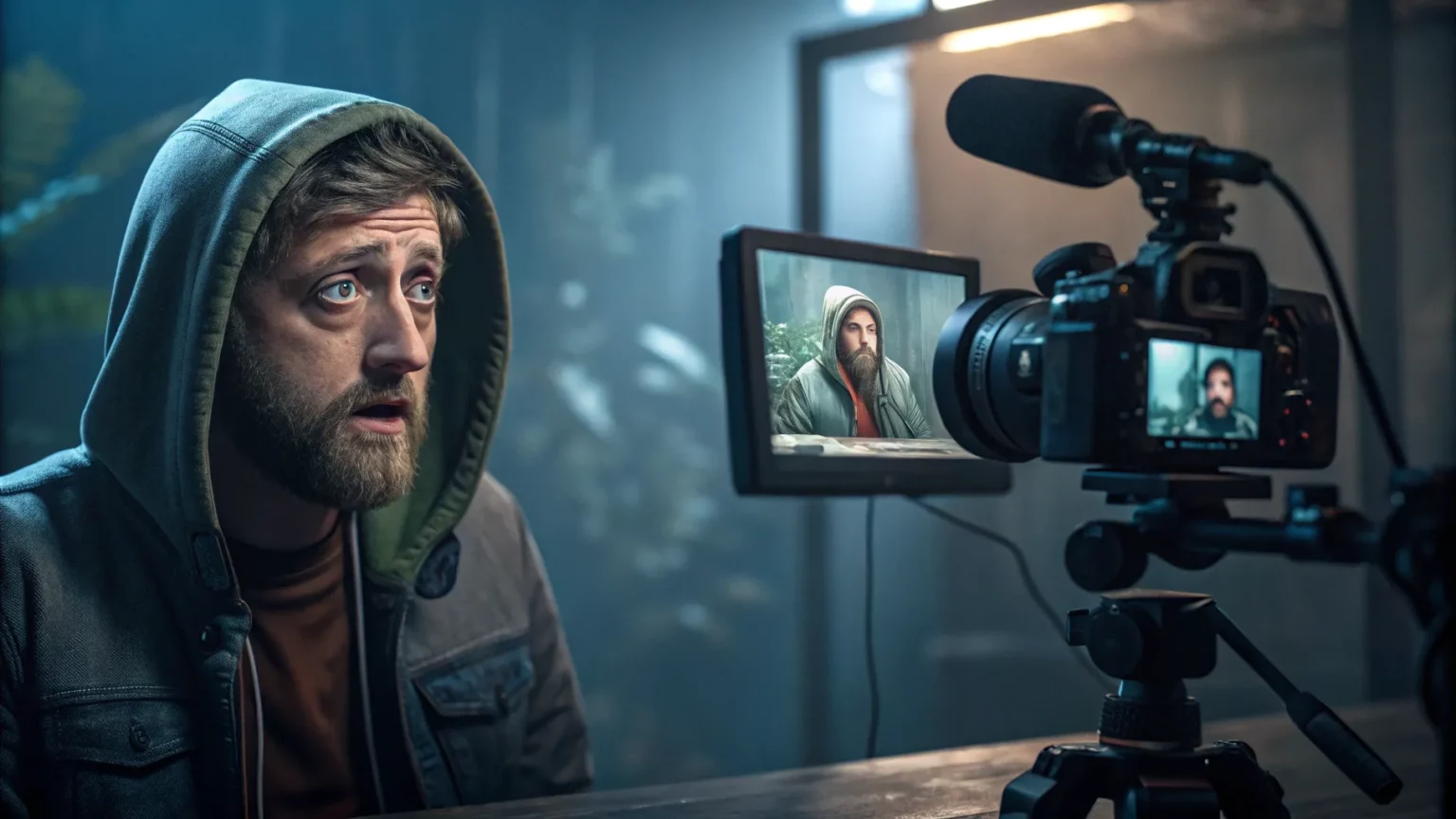
A deepfake video impersonating at least one legitimate online streamer has been detected, raising concerns about the growing sophistication of AI-generated content. The discovery highlights the increasing challenge of distinguishing between authentic and artificially created media in digital spaces.
The incident involves what appears to be manipulated footage designed to mimic the appearance and potentially the voice of an established streaming personality. While specific details about the affected streamer remain limited, the case adds to mounting evidence of deepfake technology being used to impersonate real individuals online.
The Growing Deepfake Problem
Deepfakes use artificial intelligence to create convincing but fabricated videos or audio recordings of real people. The technology has advanced rapidly in recent years, making these forgeries increasingly difficult to detect without specialized tools.
This latest incident follows a pattern of similar cases where content creators and public figures have been targeted. The streaming community has proven particularly vulnerable to such attacks, as streamers often have extensive video footage available online that can be used to train AI models.
The implications extend beyond simple pranks or confusion. Deepfakes can potentially damage reputations, spread misinformation, or even be used for fraud when they impersonate trusted figures.
Detection Challenges
Identifying the video as a deepfake required careful analysis. While early deepfakes often contained visual artifacts or unnatural movements that revealed their artificial nature, newer generations of the technology produce results that can fool casual viewers.
Several factors can help identify deepfakes:
- Unnatural facial movements or expressions
- Inconsistent lighting or shadows
- Audio that doesn’t perfectly match lip movements
- Strange artifacts around the edges of faces
However, as AI technology improves, these telltale signs become less obvious, creating an ongoing challenge for platforms and users alike in verifying authentic content.



Platform Responsibilities
The incident raises questions about the responsibility of streaming and social media platforms to detect and remove deepfake content. Many major platforms have policies against impersonation and manipulated media, but enforcement remains inconsistent.
“The technology is advancing faster than our ability to regulate it,” noted one digital rights advocate familiar with similar cases. “Platforms need to invest more in detection technology and respond quickly when deepfakes are reported.”
For content creators who depend on their online presence for their livelihood, the stakes are particularly high. A convincing deepfake could potentially damage relationships with audiences and sponsors.
This case serves as a reminder of the evolving landscape of online content authenticity. As deepfake technology becomes more accessible and sophisticated, both platforms and users face increasing challenges in verifying the reality of what they see online.
Experts recommend that viewers maintain healthy skepticism about surprising or out-of-character content from streamers and other online personalities, especially when the content appears on unofficial channels or makes unusual claims.