




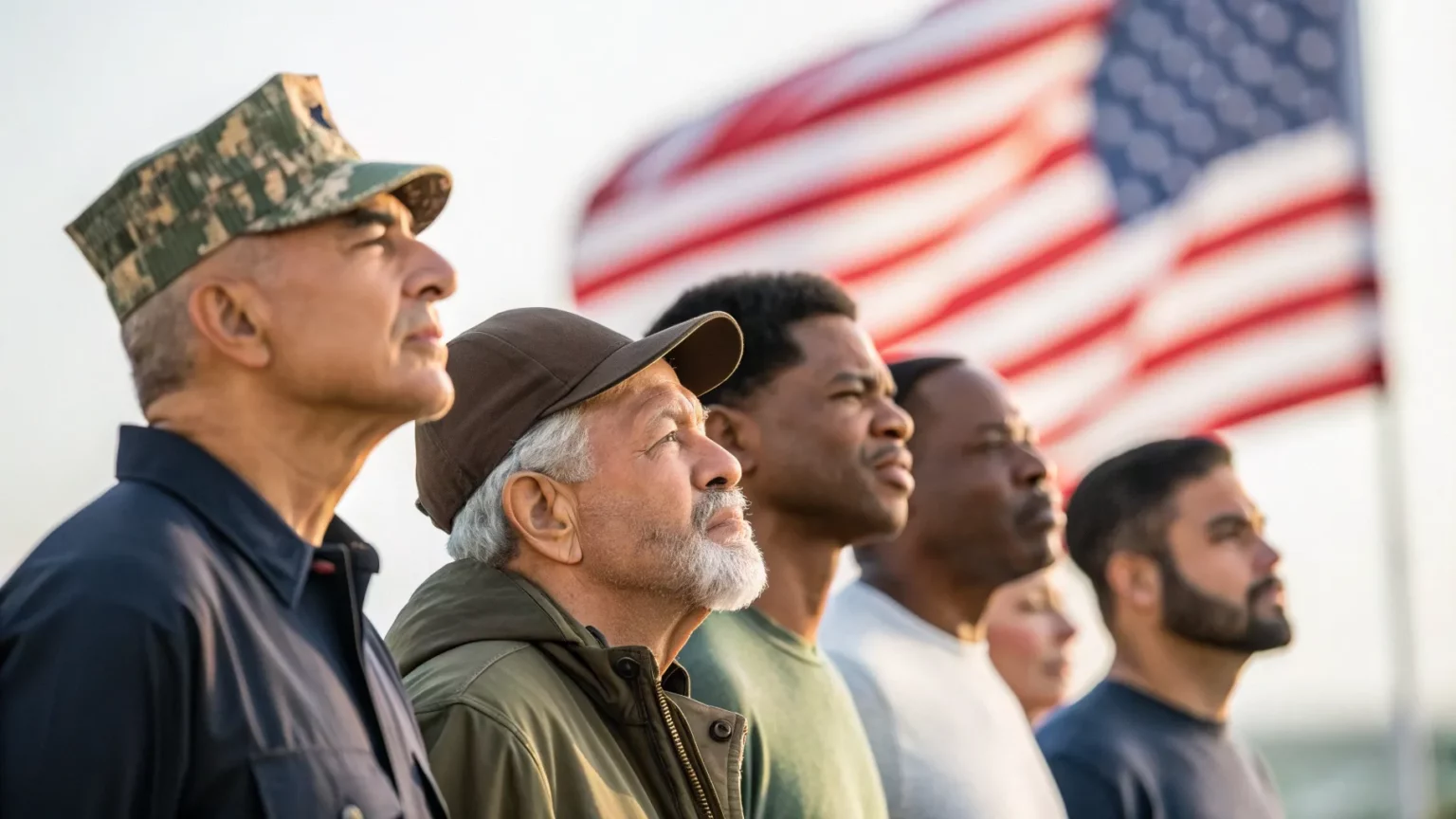
Last week, six Democrats with military or national security backgrounds released a video reminding U.S. service members that they may refuse illegal orders. The message, aimed at active-duty personnel and veterans, arrived at a tense moment in national politics, where the role of the military in domestic and foreign decisions is under sharp scrutiny. The group said the reminder is meant to support the rule of law and protect the integrity of the chain of command.
The video quickly drew interest from legal experts and former commanders. Supporters say the statement reflects long-standing military law. Others warned that any message from political figures to troops risks looking like pressure from outside the chain of command. The debate highlights the fine line between civic speech and civil-military norms.
Legal and Historical Context
U.S. military law has long held that troops must follow lawful orders and refuse unlawful ones. Under the Uniform Code of Military Justice, Article 92 covers failure to obey a lawful order, while training stresses the duty to reject illegal directives. Service members learn this in basic training, professional schools, and pre-deployment briefings.
The Law of Armed Conflict and U.S. doctrine prohibit targeting civilians, torture, and mistreatment of detainees. After World War II, the Nuremberg Trials rejected “just following orders” as a defense for war crimes. That principle informs modern training and the expectation that each person bears responsibility for their actions.
What the Video Said
“Service members have the right to refuse illegal orders.”
The speakers framed the reminder as nonpartisan and grounded in established law. They emphasized respect for the chain of command and the Constitution. The appeal echoed standard briefings across the services that instruct troops to question and report orders that appear unlawful.
Reactions Across the Spectrum
Military law scholars say the message reflects black-letter law. They point to past cases where personnel were taught to seek clarification, request the order in writing, and elevate concerns if doubt remains. Former commanders note that discipline depends on both obedience and judgment.
Critics, however, worry the timing can appear political. They argue that if statements come from elected officials or candidates, troops could view them as attempts to influence operational decisions. Civil-military experts caution that messages to the ranks should avoid partisan framing and defer to official channels, such as Judge Advocate General guidance and command policy.
How Troops Are Trained to Respond
Military education gives service members steps to handle suspect orders. The common approach encourages them to pause, ask questions, and seek legal advice.



- Request clarification and the legal basis for the order.
- Consult a supervisor or legal counsel if uncertainty persists.
- Document concerns and report through the chain of command or inspector general.
- Refuse the order if it is clearly unlawful.
These steps aim to protect both national security and individual responsibility. They also support commanders, who rely on trained subordinates to flag risks before they become violations.
Potential Impacts and Risks
The public reminder may prompt units to refresh training on the Law of Armed Conflict and rules of engagement. It may also lead to more questions for legal offices, especially during volatile news cycles. Done carefully, that can strengthen compliance and reduce the chance of abuse or missteps.
There is also risk. If troops see such messages as partisan, confidence in apolitical service could suffer. The military’s credibility depends on staying out of elections and policy fights, while carrying out lawful missions directed by civilian leaders. Balancing lawful obedience with lawful refusal requires clear guidance, not political point-scoring.
The Path Forward
Commanders can reduce confusion by reinforcing existing standards. Regular briefings, scenario-based training, and rapid access to legal advice help troops make hard calls in real time. Clear communication from the Department of Defense and service chiefs can set the tone and avoid mixed signals.
Outside voices can play a role by aligning with established doctrine and avoiding rhetoric that blurs lines. When messages stick to law, not politics, they can inform without eroding trust.
The new video puts a spotlight on a basic duty embedded in U.S. military law. The core idea is not new: follow lawful orders, refuse unlawful ones, and seek guidance when in doubt. The coming months will test how leaders communicate that standard. Watch for updated training, consistent guidance from the chain of command, and careful language from public officials who speak on military issues.