




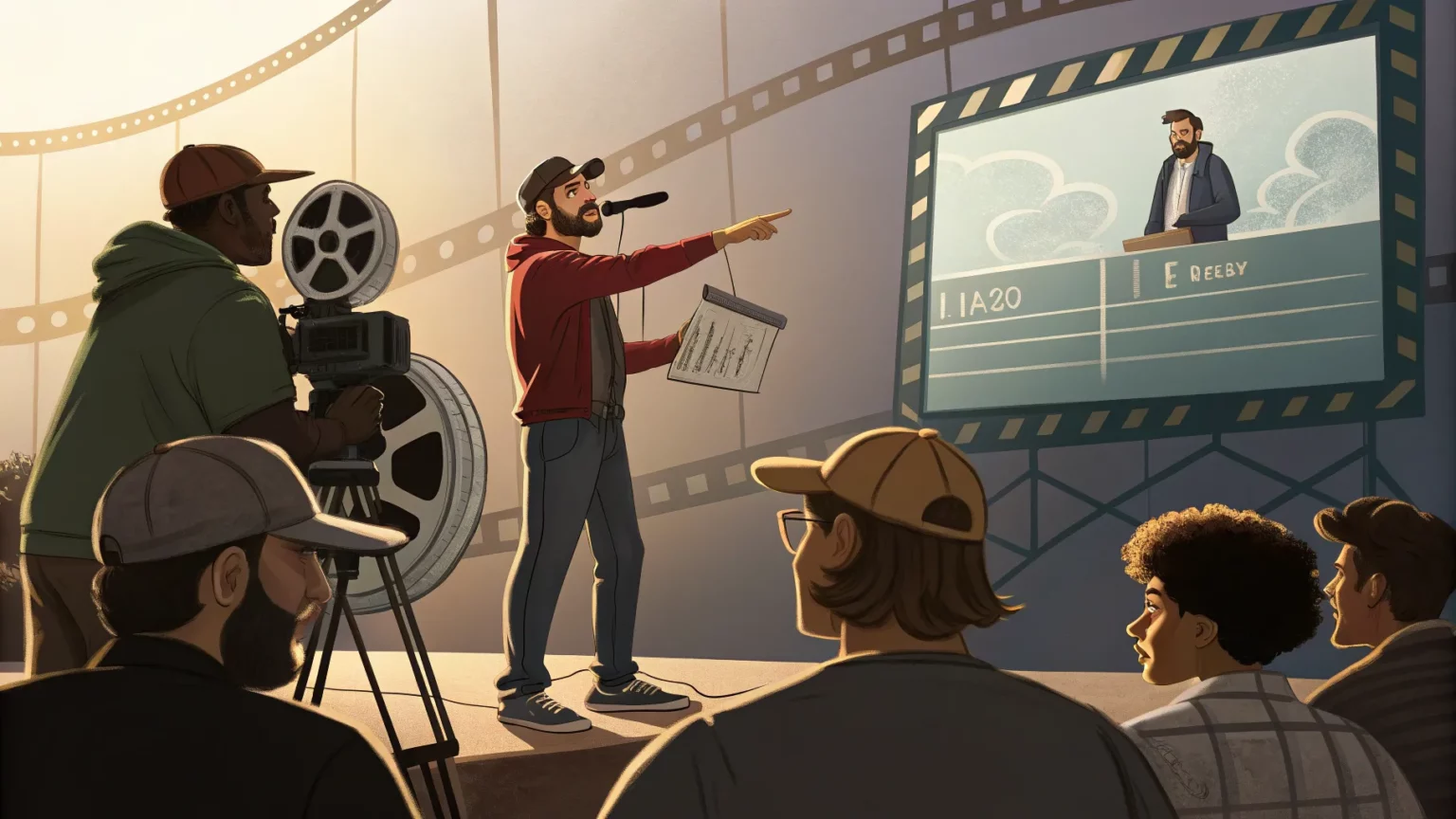
The director of “Wicked: For Good” is pushing back on growing reliance on artificial intelligence in filmmaking, arguing that spontaneous work on set still wins. In recent comments, the filmmaker said the spark that comes from actors and crew adjusting in real time can produce moments machines struggle to match. The remarks land as studios test AI tools across writing, visual effects, and editing, and as the industry weighs how far to go with automation.
“Being able to improvise on set allows for the kind of moments that are hard for machines to make.”
Improvisation as a Creative Engine
Improvisation has long shaped memorable scenes in film and television. Directors often encourage actors to react to each other, to props, or to an unexpected change in blocking. That flexibility can uncover a line reading, a gesture, or a rhythm no one planned in a script meeting.
The “Wicked: For Good” director’s view reflects that tradition. The comment stresses how live adjustments create texture that is hard to pre-plan. It suggests that surprise, chance, and human timing add value that tools trained on past data might miss.
AI’s Growing Role on Set
Studios and independent teams are testing AI for tasks like shot planning, previs, dialogue cleanup, and background generation. Some editors use machine learning to sort takes and flag continuity issues. Visual effects teams lean on AI to isolate actors, fill plates, and speed up rotoscoping.
Writers and actors have pushed back. In 2023, the Writers Guild of America went on strike for 148 days, winning guardrails on how AI can be used in writing. Later, SAG-AFTRA struck for 118 days, raising concerns about digital replicas and consent. Those actions set limits and signaled that creative labor and identity need protection as software spreads through the workflow.
What Creators Say They Risk Losing
Filmmakers often point to three qualities they want to protect:
- Timing: The split-second choices that land a joke or deepen a beat.
- Authenticity: Small imperfections that make performances feel lived-in.
- Discovery: New ideas that emerge when actors and crew respond to the moment.
These are the kinds of elements the “Wicked: For Good” director highlights. The claim is not that AI has no place, but that its outputs lean on patterns, while improvisation breaks them.
Counterpoints From Technologists and Producers
Some producers argue that AI can free time for more human play on set. If software quickly drafts options or handles a repetitive task, they say, crews can spend more time exploring performance. Visual effects leaders also note that AI can be a tool, like a lens or a light, rather than a replacement for choices made by people.

Skeptics respond that time saved does not always return to creativity. It can turn into budget cuts or tighter schedules. They warn that reliance on synthetic material could flatten style and reduce the space where accidents happen and magic appears.
What It Means for Viewers
Audiences may not track which scenes came from improvisation or AI assistance. But they feel the result. Films shaped by in-the-moment choices often carry energy and surprise. Projects built mainly from pattern-driven tools can feel smooth but familiar.
The “Wicked: For Good” director’s stance taps into that concern. The statement points to on-set freedom as a guardrail for originality and a reason to keep actors and crews central to the process.
Trends to Watch
Several developments could shape how this debate evolves:
- Union rules on AI use in writing, acting, and post-production.
- Studio policies on consent, credit, and compensation for digital replicas.
- Audience reaction to films that rely more on generated elements.
- Education and training that help crews use new tools without losing craft.
The latest remarks add to a broader push to balance new software with old-school craft. The filmmaker behind “Wicked: For Good” centers improvisation as a source of originality, arguing that unplanned moments give stories their spark. As tools advance and budgets tighten, the key question is not if AI belongs, but how to use it without dulling the human edge that audiences notice. Expect more directors to set clear boundaries, more unions to refine rules, and more viewers to judge with their wallets and attention.