



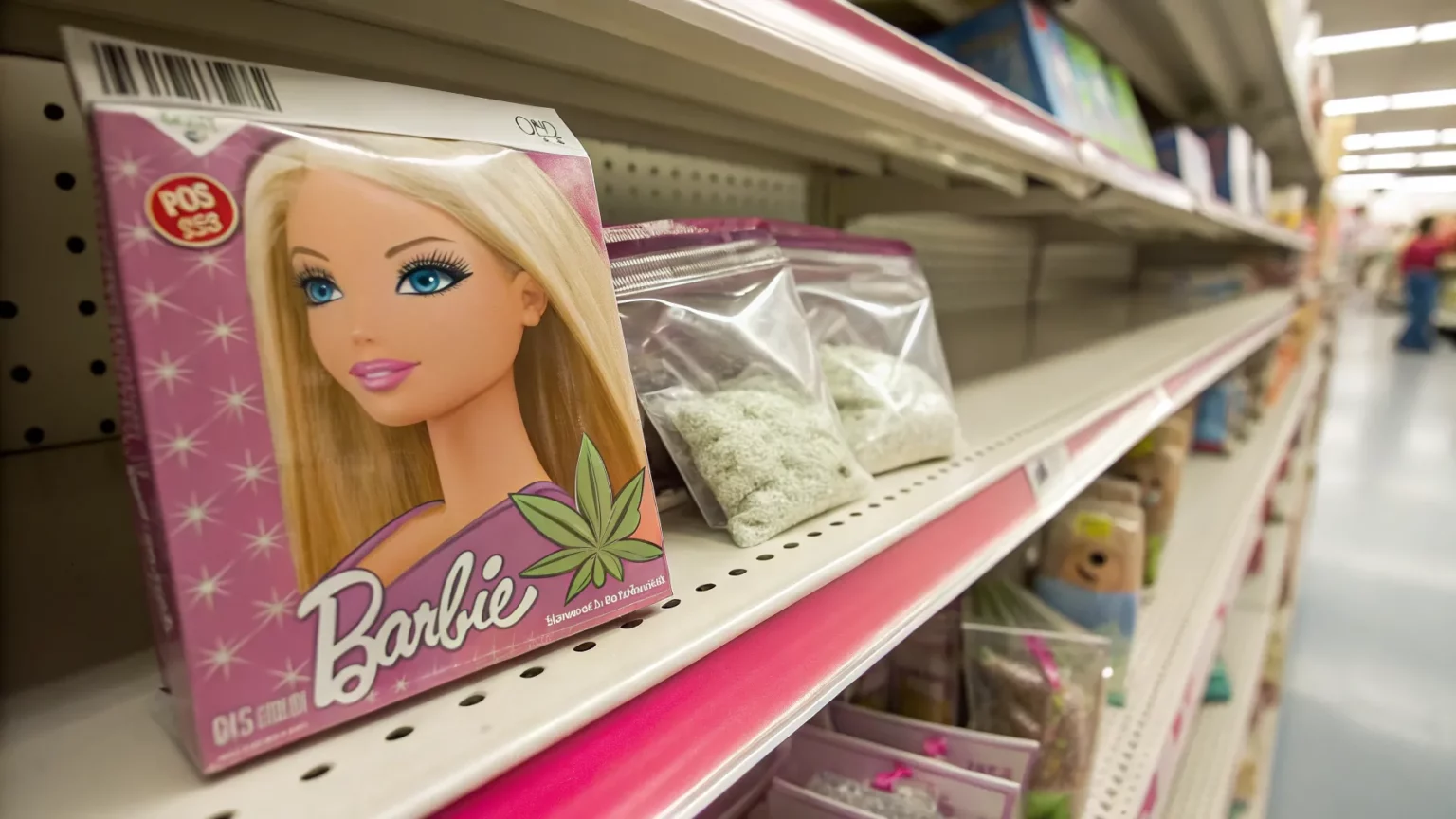
Authorities in Missouri are investigating after illegal drugs were discovered concealed inside Barbie doll packaging at a local discount store, prompting a swift recovery of five compromised units. The incident has sparked concern among parents and retailers, and raised questions about how narcotics can infiltrate routine supply chains.
Officials say the packages were purchased by shoppers before the tampering was detected. The items were later traced and collected by store staff and law enforcement. No injuries were reported. Investigators are now working to determine where the concealment occurred and whether the case is part of a broader pattern.
What Investigators Confirmed So Far
“Cocaine and fentanyl were found hidden inside Barbie doll packaging at a Missouri discount store, with five compromised units reported sold then recovered.”
That account, shared by officials familiar with the case, outlines the core facts as the inquiry gets underway. The store has not been identified publicly. Authorities have not announced arrests. Testing is underway to confirm the substances and quantities involved.
How Contraband Ends Up in Everyday Goods
Smugglers have long used ordinary consumer items to hide drugs, from household products to mailed parcels. Law enforcement experts say the goal is to mask odors, distract attention, and move illicit substances through high-volume channels where individual items receive limited scrutiny.
Retail supply chains can include multiple handoffs, including manufacturers, distributors, third-party logistics providers, and stores. Tampering can occur at any point along that route. Investigators commonly review shipment records, surveillance footage, and inventory logs to map the path of compromised goods and identify gaps.
Public Health Risks and Guidance
The presence of fentanyl in a consumer product raises alarm due to the drug’s potency. Public health agencies note that accidental exposure from brief skin contact is unlikely to cause overdose, but they advise caution with unknown powders. Parents and store employees should avoid handling suspicious items and contact local police.
- Do not open packages that appear resealed or altered.
- Keep children away from items showing signs of tampering.
- If powder or residue is visible, leave the area and notify authorities.
First responders typically carry naloxone, a medication that can reverse opioid overdoses, and encourage families to learn the signs of an emergency and how to seek help quickly.
Retailer Response and Supply Chain Scrutiny
Following the discovery, the Missouri store worked with law enforcement to identify and retrieve the affected products. Retailers often conduct product checks, quarantine suspect batches, and audit recent deliveries when tampering is suspected. Many chains also retrain staff on spotting altered goods and escalate checks for high-risk categories.


Industry analysts say technologies such as tamper-evident seals, serialized tracking, and tighter receiving procedures can reduce risk. But these tools add cost and require coordinated adoption across suppliers. For discount stores with high inventory turnover, consistent enforcement remains a challenge.
Parents Seek Assurance
The episode has unsettled shoppers who expect toys to be safe. Parent groups are asking for clearer product tracing and faster recall alerts across stores and social platforms. Consumer advocates argue that public notices should be standard in any suspected tampering event, even when only a handful of units are involved.
Law enforcement officials typically balance transparency with the need to protect an active investigation. That can limit the details released early on, including the store name or shipping routes. Authorities encourage customers to report unusual packaging and keep receipts, which help trace purchases if a recall is issued.
What Comes Next
Investigators will seek to pinpoint the source of the concealment and whether more inventory is affected. The store and distributors may expand inspections or pull related products out of caution. Testing results and supply chain reviews could guide any broader recall decisions.
This case highlights the need for better visibility in product movement, especially for items marketed to children. For now, families can reduce risk by inspecting packaging before opening, storing receipts, and alerting stores about concerns. Authorities are expected to release more information as the inquiry progresses, including any links to similar incidents and steps taken to safeguard shelves ahead of the busy shopping seasons.