
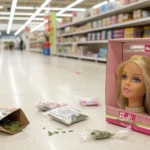


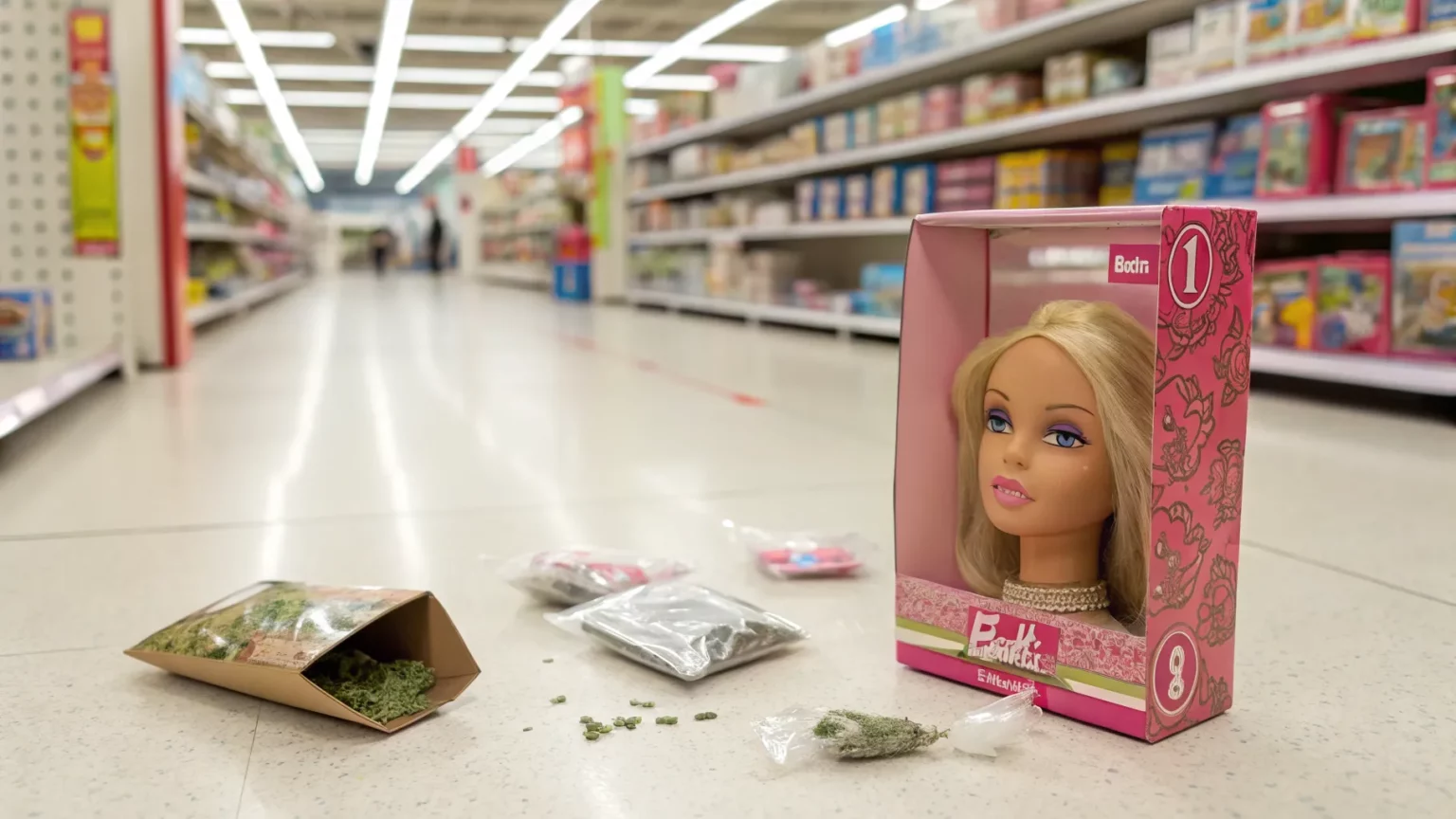
Authorities in Missouri are investigating after cocaine and fentanyl were discovered concealed inside Barbie doll packaging at a discount store, prompting a rapid product recovery effort and a warning to families. Five compromised units were reported sold and later recovered, according to officials, who are working to determine how the narcotics entered the supply chain.
The incident came to light after store staff alerted law enforcement to suspicious packages. Investigators are now tracing shipment routes and inspecting inventory to assess whether the issue is isolated or part of a wider tactic used by traffickers. No injuries have been reported.
What Investigators Found
“Cocaine and fentanyl were found hidden inside Barbie doll packaging at a Missouri discount store, with five compromised units reported sold then recovered,” officials said.
The drugs were concealed in retail-ready boxes designed to blend in on store shelves. The quick recovery of the five units suggests the alert was caught early. Investigators are testing the substances and reviewing surveillance footage and shipping records.
Authorities have not released the name of the store or the city, citing an active investigation. It remains unclear whether employees, third-party distributors, or outside actors were involved.
How Narcotics End Up in Everyday Goods
Smugglers have long hidden drugs inside consumer products to avoid detection. Toys, canned goods, and electronics are frequent targets because they move through complex distribution networks and attract less scrutiny at the retail level. Packaging tampering can occur at multiple points, from overseas manufacturing to domestic warehouses and local delivery hubs.
Retailers typically rely on sealed packaging, vendor checks, and random audits to detect tampering. But even with these measures, small quantities can slip through, especially when traffickers re-seal boxes to appear unopened.
Public Health Concerns Over Fentanyl
Fentanyl is a powerful synthetic opioid that can be lethal in very small amounts. Public health agencies warn that accidental exposure poses serious risks, especially to children and first responders. National data show more than 100,000 overdose deaths annually in the United States in recent years, with synthetic opioids like fentanyl linked to a majority of those deaths.
Cocaine appearing in consumer packaging also signals a supply chain breach. Mixing or proximity to fentanyl increases the danger, as contamination has been linked to fatal overdoses across the country.



Retail and Law Enforcement Response
Following discovery of the compromised toy boxes, the retailer involved worked with police to pull related inventory and notify customers. Investigators are coordinating with regional task forces that focus on drug trafficking and product tampering. The focus now is on mapping the path of the affected shipment and identifying any similar incidents.
Security experts say coordinated checks—such as scanning lot numbers, auditing pallets, and verifying seal integrity—can help detect tampering. But the speed and volume of discount retail supply chains can make complete prevention difficult.
Advice for Parents and Shoppers
Parents are being urged to inspect packaging before opening and to report anything unusual. While such cases are rare, simple steps can reduce risk.
- Check for broken seals, mismatched tape, or unusual weight.
- Compare packaging to official product photos on brand websites.
- If something looks wrong, stop and contact the store or police.
- Wash hands after handling suspicious items and keep children away.
What This Could Mean Next
This case highlights the need for tighter checks across retail supply chains, especially for goods aimed at children. It may prompt stores to increase backroom inspections, adopt tamper-evident technologies, and improve staff training. Distributors could see more audits and documentation demands from retailers seeking to reassure customers.
For law enforcement, the case offers a chance to track trafficking methods that exploit mainstream commerce. If investigators can identify where the swap occurred, it could lead to arrests and help close a route used to move narcotics into local communities.
As the inquiry continues, families will look for clear guidance. Retailers and officials are expected to share updates on product safety checks and whether more units were affected. The key watch points now are whether similar reports arise in nearby stores, and what the investigation reveals about the origin and timing of the tampering.
The swift recovery of the five compromised boxes helped contain the risk. The next steps will show whether this was a one-off breach or a sign of a wider tactic that retailers and investigators will need to address.