



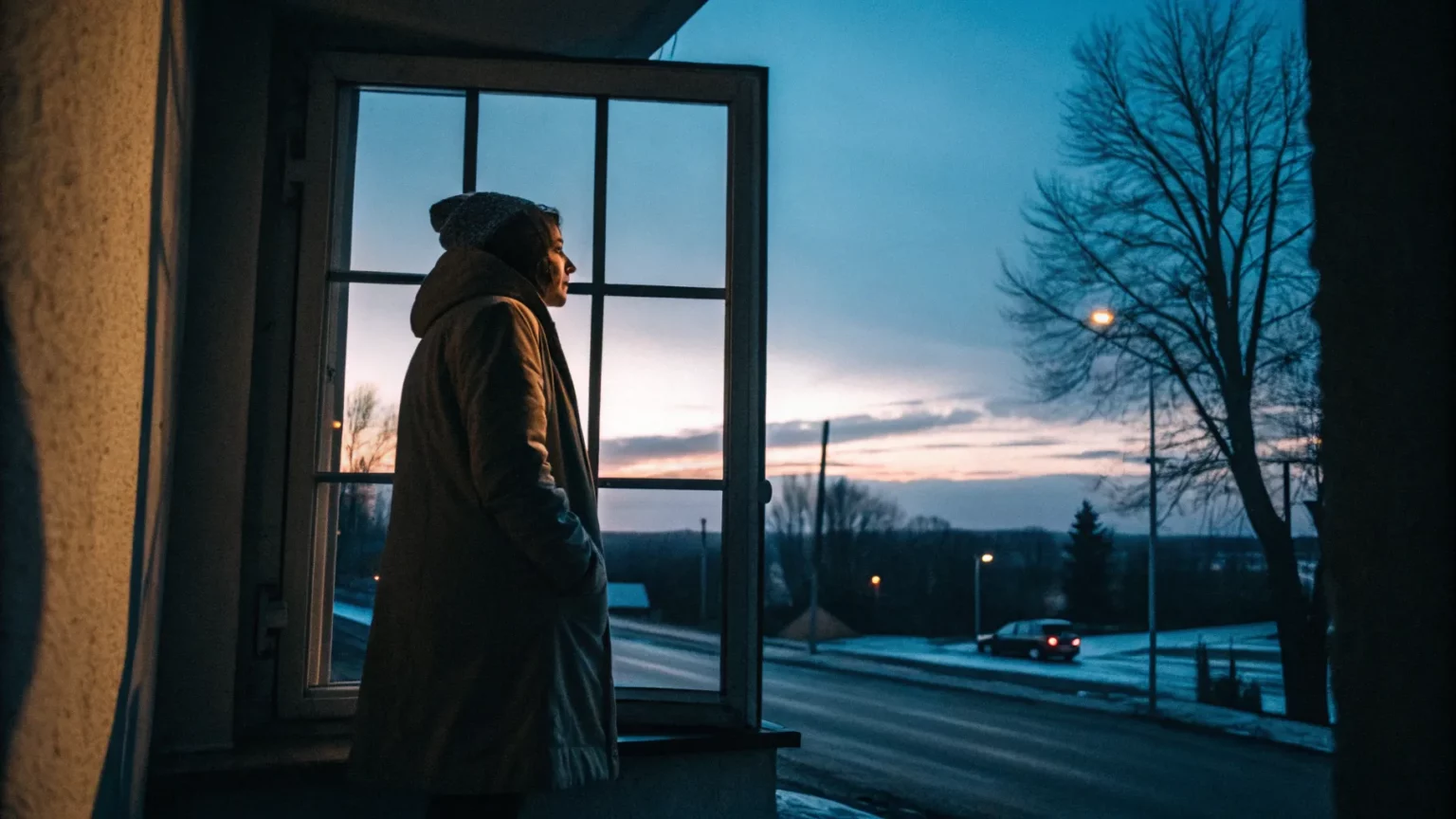
As evening comes sooner and temperatures drop, Americans face a tougher season for mental health after months of disrupted routines and limited social contact. Across the country, communities are bracing for shorter days, colder nights, and the compounding strain of ongoing public health restrictions.
The shift is simple and stark: less sunshine, more time indoors, and fewer chances to connect. Public health experts warn that this combination can raise depression and anxiety, especially for those already stretched thin.
Shorter Days, Heavier Moods
“Sunset is arriving noticeably earlier, meaning less mood-lifting daylight for everyone.”
“The weather is turning colder, so we’ll soon spend even more time cooped up inside the homes where we’ve huddled, and sometimes completely quarantined, for six months.”
That blunt summary, from Melissa Rayworth of the Associated Press, tracks with what clinicians expect each fall. Seasonal affective disorder, or SAD, is a form of depression linked to seasonal light changes. The American Psychiatric Association estimates about 5% of U.S. adults experience SAD, with symptoms lasting 40% of the year. Many more report milder “winter blues.”
Layer that on top of long-running pandemic stress and the picture darkens. CDC surveys during 2020 and 2021 found elevated symptoms of anxiety and depression compared with pre-pandemic levels. Those numbers improved at times, but concerns remain as routines shift again with the season.
Why Light Matters
Light cues help regulate sleep and mood. When daylight shrinks, people often sleep poorly, crave carbohydrates, and feel sluggish. The problem is not just the clock. It’s the lack of bright, natural light hitting the eyes early in the day.
Standard advice still applies: morning light exposure, movement, and consistent sleep. For some, light therapy boxes can help. Clinicians often recommend devices at 10,000 lux used for about 20 to 30 minutes after waking. People with bipolar disorder or eye conditions should consult a doctor first.
Home Life And Social Ties Under Strain
Colder weather limits outdoor gatherings, reducing low-risk ways to see friends. That can be hard on families already juggling work-from-home and remote learning. Many households report loneliness and fatigue from months of limited routines.
But not everyone feels worse. Some find comfort in predictable schedules and quiet evenings. Therapists say the key is structure. Even small rituals—an afternoon walk, weekly check-ins, or a set bedtime—can steady the week.



What Communities Can Do
Local leaders and employers can ease the pressure with simple steps that keep people connected and active as daylight fades.
- Offer flexible hours to allow morning sunlight exposure.
- Keep outdoor spaces lit and safe for evening walks.
- Expand telehealth and low-cost counseling.
- Create small, recurring virtual meetups to reduce isolation.
Looking Ahead: Risks And Resilience
Doctors say to watch for warning signs: persistent low mood, sleep changes, appetite shifts, and loss of interest. If symptoms last more than two weeks, it may be time to seek care. Treatments range from therapy and light devices to medication for moderate to severe cases.
There are reasons for cautious optimism. Communities have learned ways to stay in touch, from porch visits to small outdoor meetups. Schools and workplaces have widened mental health resources. And people are more open about asking for help.
The next few months will test those supports. The days will keep getting shorter before they get longer. A clear plan—light in the morning, movement most days, social contact on a schedule—can make a noticeable difference.
As the season shifts, the message is simple: prepare, don’t panic. Track mood and sleep. Build routines that bring daylight and connection back into the week. If symptoms climb, reach out early. The sun still rises tomorrow. Make sure you catch it.