


An unusual early surge of influenza in Japan has forced school closures and sent more patients to hospitals, raising concerns for other countries as their colder months begin. Health officials are watching the trend closely this week and urging faster preparation for a season that may start sooner and hit harder than expected.
“School closures and hospitalizations from an unexpected early spike in flu cases in Japan has experts concerned about what lies ahead for other countries.”
The disruption comes as communities plan vaccine clinics and ready hospital capacity for winter. The timing gap between Japan and North America or Europe often offers an early signal. This year’s signal suggests the flu may arrive ahead of schedule elsewhere.
Early Surge Disrupts Schools and Hospitals
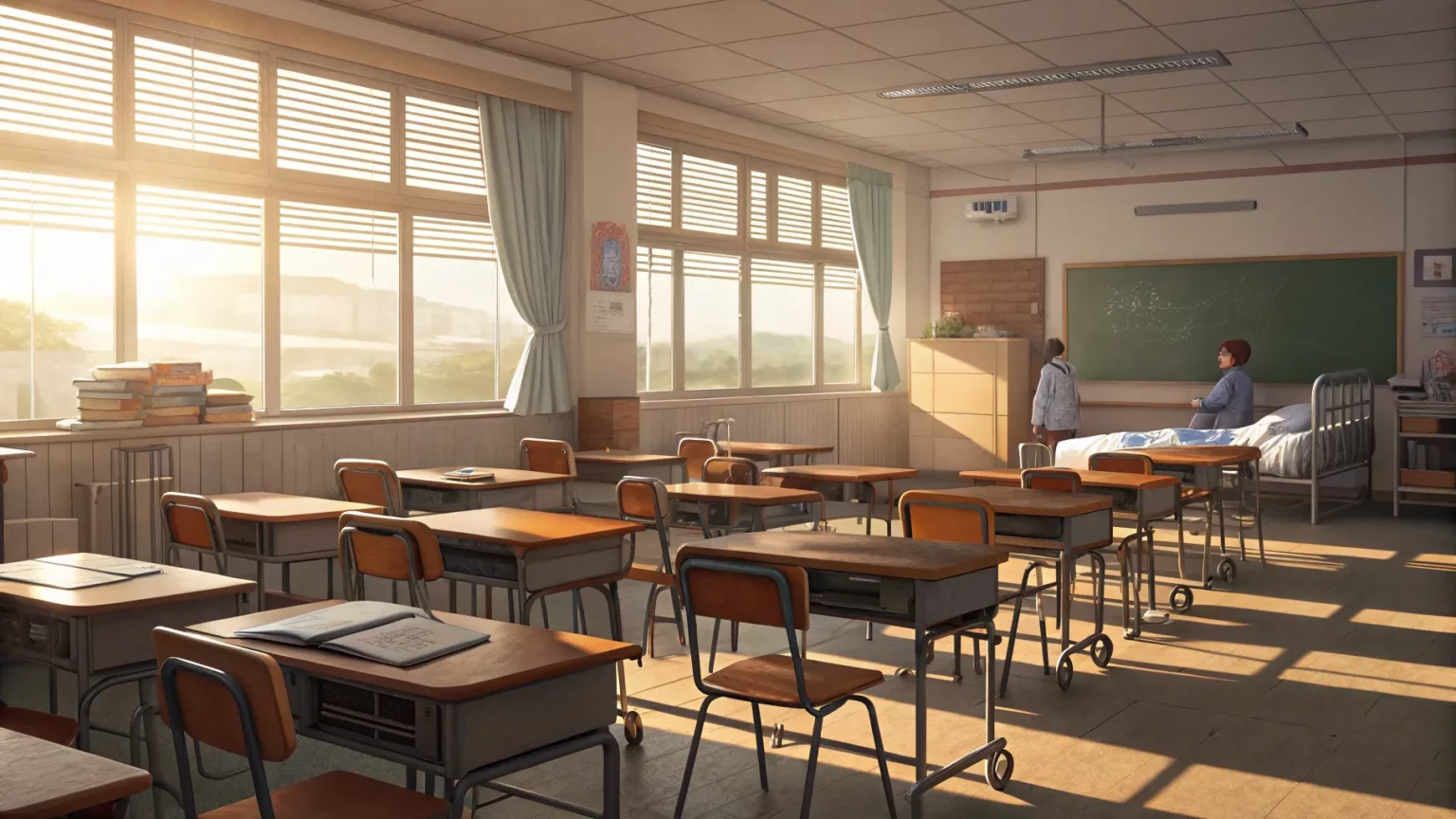
Japanese schools have shifted to temporary closures in affected districts to slow transmission among children. Pediatric wards report higher admissions than usual for this time of year, according to local officials. Doctors say the pressure is most visible in urgent care, where families seek help for high fevers and dehydration.
Many hospitals had already prepared for respiratory syncytial virus and COVID-19 as temperatures drop. The unexpected flu wave adds a third strain on staffing. Administrators describe tighter bed management and longer wait times, especially on weekends.
Why the Flu Arrived Ahead of Schedule
Influenza in Japan typically peaks between December and February. This year’s bump arrived much earlier. Several factors may be driving the shift.
- Lower population immunity after lighter flu seasons during the pandemic years.
- Increased travel and social gatherings compared with recent winters.
- Weather patterns that favor viral spread as people spend more time indoors.
Public health researchers note that age groups with the most close contact—especially school-aged children—can amplify spread. Once outbreaks start in classrooms, they often spill into households and workplaces.
Signals for Other Countries
Flu trends in one region can foreshadow what others may face. Surveillance networks track strains and timing across East Asia, Oceania, Europe, and the Americas. When one area sees an early spike, the season elsewhere can also shift forward by several weeks.
Some epidemiologists caution against reading too much into one country’s experience. Local vaccination rates, mask use, and weather can change outcomes. Yet many agree that an earlier wave in Japan should prompt faster vaccine rollout and communication in other nations.



Pharmacies and clinics in North America and Europe often time their campaigns for late autumn. If the virus circulates sooner, health systems may need to move up appointments, extend hours, and expand outreach to schools and long-term care facilities.
Vaccination and Treatment Outlook
Experts emphasize that vaccination remains the best defense against severe illness. Protection builds about two weeks after the shot. That time frame matters if flu activity is climbing now rather than later in winter.
Doctors also point to early antiviral treatment for patients at higher risk, including older adults, young children, pregnant people, and those with chronic conditions. Quick testing and treatment can shorten illness and reduce complications.
Clinicians warn that people often mistake early flu symptoms for a cold. A sudden high fever, body aches, and fatigue are common with influenza. Those signs should prompt testing, especially if there is known spread in schools or workplaces.
What Communities Can Do Now
Schools can reduce spread with better ventilation, routine cleaning of high-touch surfaces, and clear stay-home policies for sick students and staff. Parents can plan for backup childcare when fever or cough develops.
Workplaces can review sick-leave rules and encourage vaccination. Hospitals can check antiviral stock and revisit surge staffing plans. Public agencies can share simple messages on symptoms, testing, and when to seek care.
Balancing Caution and Calm
While the early surge is concerning, it does not guarantee a severe season everywhere. Flu seasons vary by region and strain. Still, the situation in Japan offers a timely prompt to act sooner rather than later.
The next few weeks will show whether early activity spreads to neighboring countries and the Northern Hemisphere. If it does, health systems with updated plans, earlier vaccines, and clear guidance will be better positioned to manage the load.
For now, the message is straightforward: get vaccinated, stay home when sick, and seek care early if symptoms worsen. Those steps could ease pressure on schools and hospitals if the flu arrives ahead of schedule.