



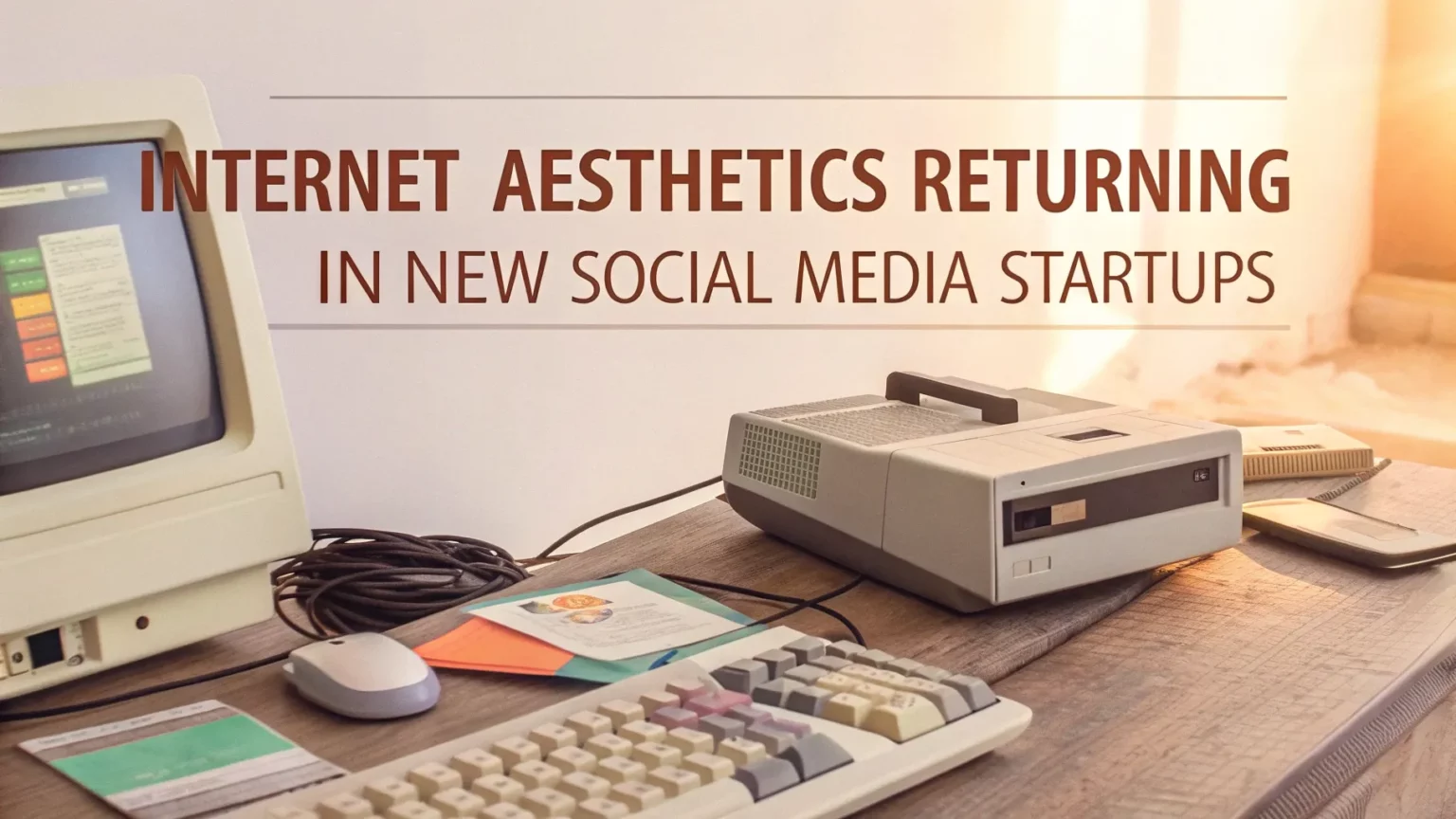
A wave of nostalgia is sweeping through the tech industry as new social media platforms and internet startups embrace design elements and user experiences reminiscent of the 2000s and 2010s. These companies are deliberately moving away from the polished interfaces of today’s dominant platforms, instead opting to recreate the raw, unfiltered feeling of the early internet era.
This trend represents a significant shift in digital design philosophy, as entrepreneurs look to the past for inspiration rather than pushing toward increasingly sleek and algorithm-driven experiences. The movement appears to be gaining traction among both creators and users seeking alternatives to mainstream social media.
The Return of Web 1.0 and 2.0
New companies are specifically targeting the aesthetics and functionality that defined the internet’s earlier days. This includes design elements like simpler layouts, less curated content feeds, and more chronological organization of information—features that were standard before sophisticated algorithms began determining what users see.
The visual elements being revived include:
- Basic HTML-style layouts with visible borders and frames
- Less polished graphics and typography
- Customizable profiles similar to early MySpace pages
- Chronological content feeds rather than algorithm-selected posts
These design choices are not accidental but represent a deliberate strategy to create digital spaces that feel more authentic and less corporate than today’s dominant platforms.
Nostalgia as Business Strategy
The revival of early internet aesthetics appears to be more than just a design trend—it’s becoming a business strategy. New startups are banking on users’ nostalgia for a time when social media felt more personal and less commercialized.
“These new platforms are tapping into a growing dissatisfaction with the current state of social media,” notes a digital culture analyst familiar with the trend. “Many users remember the 2000s internet as a more creative, less regulated space where individual expression took priority over engagement metrics.”
For younger users who didn’t experience the early internet firsthand, these retro-styled platforms offer something that feels novel compared to the homogenized design of today’s major social networks.



User Experience Over Optimization
Beyond aesthetics, these new platforms are also reviving early internet principles around user experience. Many are designing their services with fewer data collection practices and more straightforward interfaces that don’t constantly optimize for engagement.
Some platforms are deliberately limiting features that have become standard on mainstream social media, such as endless scrolling or notification systems designed to maximize time spent on the platform.
This approach represents a counter-movement to the highly optimized, data-driven design that has dominated digital product development for the past decade.
As one founder of a new platform explained, “We’re trying to create spaces where people can connect without feeling like they’re being manipulated by an algorithm. The early internet wasn’t perfect, but it was more human.”
Whether this trend represents a temporary nostalgia cycle or the beginning of a more significant shift in internet culture remains to be seen. However, the growing number of startups embracing this approach suggests that many users and creators are ready for digital spaces that feel more like the internet’s earlier days.