




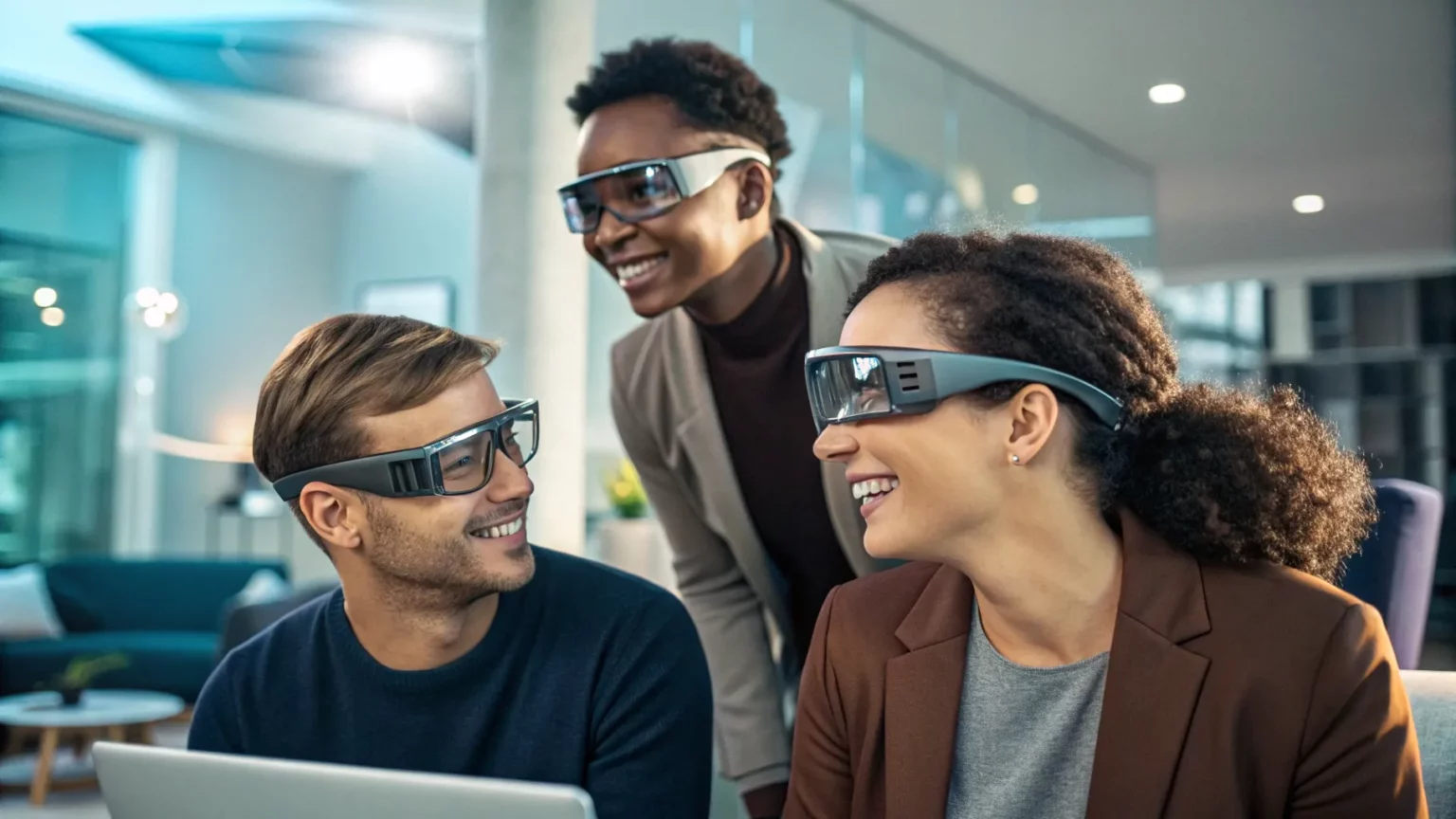
Meta’s latest smart glasses drew strong early reactions this week, as select testers reported favorable first impressions after hands-on sessions in the United States. While full details remain limited, early notes hint at a product that could push wearables closer to everyday use. The company has not announced wider availability, but interest is rising fast as industry watchers look for signs that smart eyewear can finally break through.
What Testers Said
Initial comments from early adopters were upbeat about the experience. Feedback pointed to a device that felt practical and easy to use during short trials. The tone from testers suggested comfort and convenience mattered as much as tech specs.
“A handful of early adopters got to try Meta’s new smart glasses, and they had very positive things to say about them.”
Positive early reactions do not guarantee long-term appeal. But they can shape the opening narrative for a product that must win trust on the face, not just in a demo room.
How We Got Here
Smart glasses have had a long, uneven road. Google Glass launched in 2013 but retreated from the consumer market after pushback on design and privacy. Snap’s Spectacles focused on short video, but they stayed niche. Amazon’s Echo Frames leaned into audio, not cameras.
Meta has tried more than once. Ray-Ban Stories, introduced in 2021, blended classic frames with cameras and audio. Many buyers did not stick with them for daily use, citing battery life, limited apps, or style trade-offs. A second wave arrived in 2023 under the Ray-Ban Meta line, with more attention to comfort and hands-free features. The new model will be judged on regular wear, not one-off demos.
What Could Be Different This Time
The bar for success is clear. People want glasses that look normal, work hands-free, and last through a day. They also want clear privacy cues and simple controls. Early testers seemed to find the basics promising, though broad public trials will offer a tougher test.
Analysts say three factors will matter most:
- Design and comfort: Frames must feel like regular eyewear.
- Everyday utility: Voice, camera, or translation must save time, not add steps.
- Software support: Apps need to work reliably and improve over time.
If Meta can deliver on these points, the company could turn smart glasses from a novelty into a habit.



Privacy And Safety Questions
Privacy remains a sticking point for camera glasses. Clear recording lights help, but bystanders often do not know what is being captured. Advocacy groups have urged makers to use visible indicators and on-device controls. Lawmakers have raised questions about data handling and facial recognition. Meta has said previous products used visible lights and guardrails, but the same scrutiny will follow any new model.
There are social rules to consider, too. Wearing camera glasses in schools, hospitals, and offices can raise tensions. Retailers and venues may set their own policies, which affects daily use.
Industry Impact And Outlook
Big tech firms continue to eye wearables as the next growth area after smartphones. Smart glasses sit at the center of that bet. They promise quick capture, quick information, and constant access without holding a phone. If Meta’s device wins repeat use, rivals will respond with new designs and features. If it stumbles, the market may drift back to audio-first frames and watches.
Developers are also watching. A strong launch could bring more third-party apps. That would boost use cases like note-taking, fitness coaching, or navigation. Without that support, features risk feeling thin after the first week.
What To Watch Next
Key signposts will include battery life claims, comfort across frame sizes, clear privacy signals, and app performance on real networks. Pricing and repair options will also shape adoption. Wider trials will show if early praise holds up during commutes, workouts, and long days at work.
Early testers may be onto something, but broad proof will come with time and daily wear. For now, the takeaways are simple: interest is high, first reactions are warm, and expectations are firm. The next phase will reveal whether Meta can turn promising demos into a product people reach for every morning.