



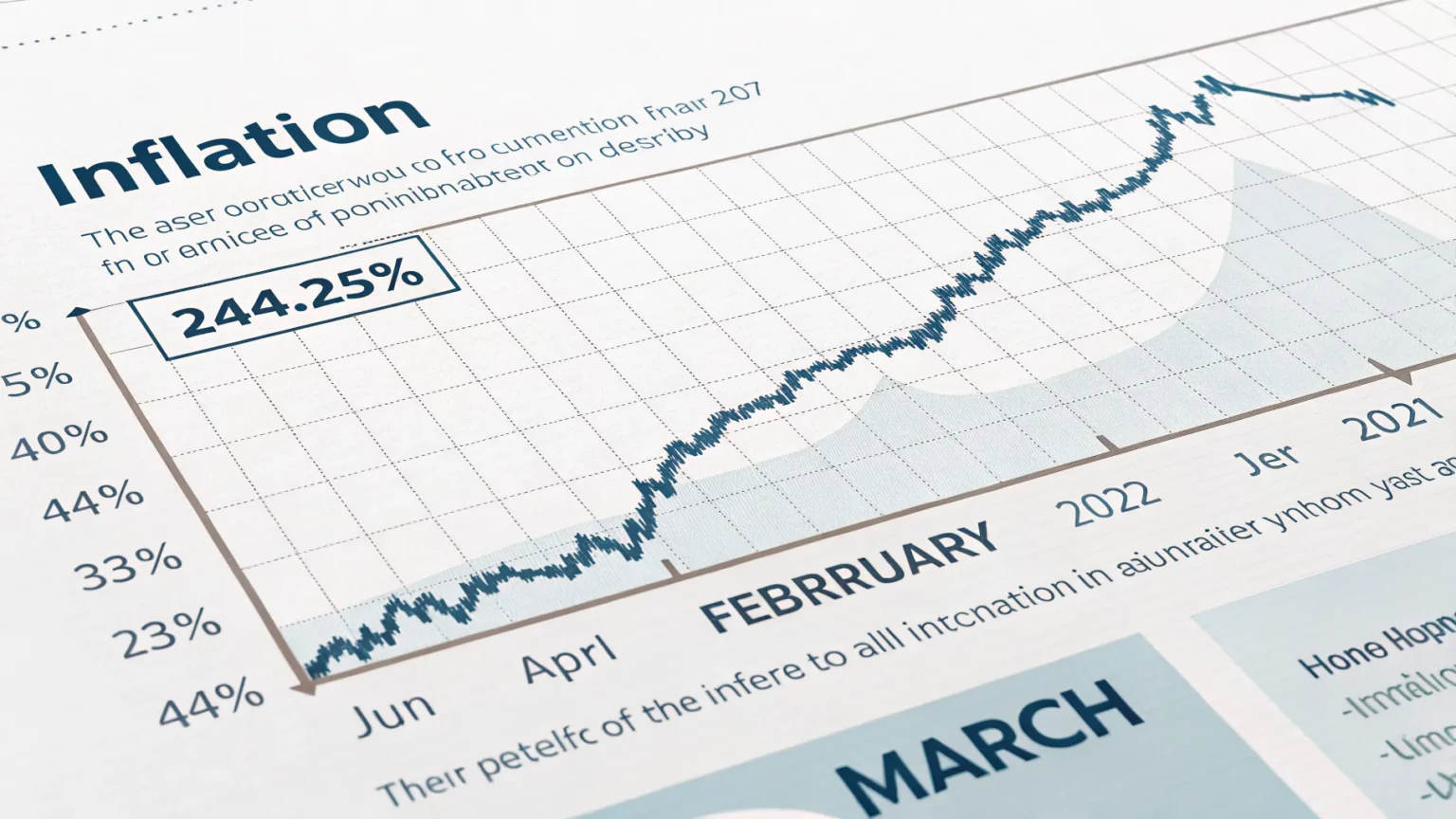
Inflation is expected to quicken to 3.4% in March from a year earlier, a sharp pickup from February’s 2.4% pace, according to economist estimates. The jump, if confirmed, would reset the debate over interest-rate cuts and test household budgets just as consumers hoped price pressures were easing.
The estimate, shared by analysts tracking consumer prices, points to a bumpier path back to central banks’ 2% target. It also puts fresh pressure on policy makers who must weigh price stability against growth risks.
“Inflation probably rose to 3.4% in March compared with a year ago, economists estimate, which would be a sharp increase from February’s 2.4% increase.”
What Changed From February
The expected acceleration breaks the recent cooling trend and hints at sticky price pressures. A one-point jump in the annual rate in a single month is unusual and grabs attention.
Analysts say the move could reflect firm prices in services, where costs tend to shift slowly. Housing, healthcare, and insurance often keep upward momentum even when goods prices ease.
Energy can also swing the headline number. A short run-up in fuel prices often shows up fast at the pump and in inflation gauges.
Why It Matters For Rates
Central banks target inflation near 2%. A 3.4% reading would sit well above that goal. Rate cuts, widely discussed for later this year, could slip down the calendar.
Bond markets would likely reprice. Yields tend to rise when investors expect rates to stay higher for longer. That can feed into mortgages, car loans, and business credit.
- Households could face stickier borrowing costs.
- Companies may delay investment if financing stays expensive.
- Stock valuations could wobble as discount rates adjust.
What Could Be Driving Prices
Economists point to three likely forces. First, services inflation remains firm, supported by steady demand and wage-sensitive sectors. Second, housing costs often adjust with a lag and can keep rising even as rents cool. Third, energy and food are volatile and can swing the headline figure month to month.



Some analysts also cite supply bottlenecks that never fully cleared, along with rebuilding of profit margins in select industries. Others argue that demand is still too strong to deliver quick disinflation.
Competing Views From Analysts
Many see the estimate as a warning. They argue that quick easing in prices last year may have been the easy part. The final stretch back to 2% could be slow.
More optimistic voices call the jump a blip. They note that year-over-year data can swing on base effects. If last March was unusually soft, this March looks hot by comparison.
Both camps agree on one point. One month does not set a trend. The next two or three reports will be key for policy and markets.
Household Impact
For families, a move to 3.4% means budgets stay tight. Groceries, rent, and services still feel pricey even if the pace cooled from earlier peaks. Wage gains help, but not all workers keep up every month.
Shoppers continue to trade down, hunt for discounts, and switch brands. Retailers, sensing fatigue, are pushing more promotions to hold volume.
What To Watch Next
Eyes now turn to the detailed inflation basket. If services and shelter carry most of the rise, the path lower may be slow. If energy is the main driver, the pressure could fade faster.
Policy signals will matter. Central bankers have said they need “greater confidence” that inflation is headed to 2%. A 3.4% print does not deliver that confidence.
Markets will parse every word at the next policy meeting. Traders want clues on the timing and size of eventual cuts.
The bottom line: a 3.4% March rate would complicate the soft-landing story. It could delay rate relief, keep borrowing costs firm, and test consumer resilience. Watch services prices, shelter metrics, and energy swings for hints on the next move. If those cool meaningfully in the spring, rate cuts can get back on the table. If not, the higher-for-longer camp gains ground.