


As extreme weather, aging infrastructure, and a race for new chips reshape the headlines, editors say engineering coverage is moving toward practical fixes and clear results. Across newsrooms and trade publications, writers are centering stories on how designs get built, tested, and scaled, and what that means for everyday life.
The shift comes as industry leaders seek timely reporting on bridges, power grids, batteries, and factories. Reporters are also tracking supply chains, new rules, and workforce gaps. The goal is to explain how ideas move from lab to job site, and why that process matters now.
A Call For Practical Reporting
Recent editorial guidance puts problem-solving at the core of the beat. The message to readers is simple and direct.
“Explore the branch of science and technology that’s all about building things and solving problems with the latest engineering news, features and articles.”
That aim reflects demand from engineers and the public. People want updates on what works, what does not, and how projects meet deadlines and budgets. Reporters say readers also want early warnings about risks, recalls, and delays.
Background: Why The Stakes Are Rising
Engineering has long sat at the center of public works and industry. In recent years, the strain on systems has grown. Heat waves stress grids. Ports and factories face delays. Bridge closures and water system failures show the cost of waiting.
Policy has added momentum. The 2021 U.S. infrastructure law and the 2022 CHIPS and Science Act set money and targets for roads, rail, broadband, and chip plants. Europe and Asia have announced similar plans. Reporters now track whether projects hire enough workers, source parts on time, and pass inspections.
Infrastructure And Climate Drive Urgency
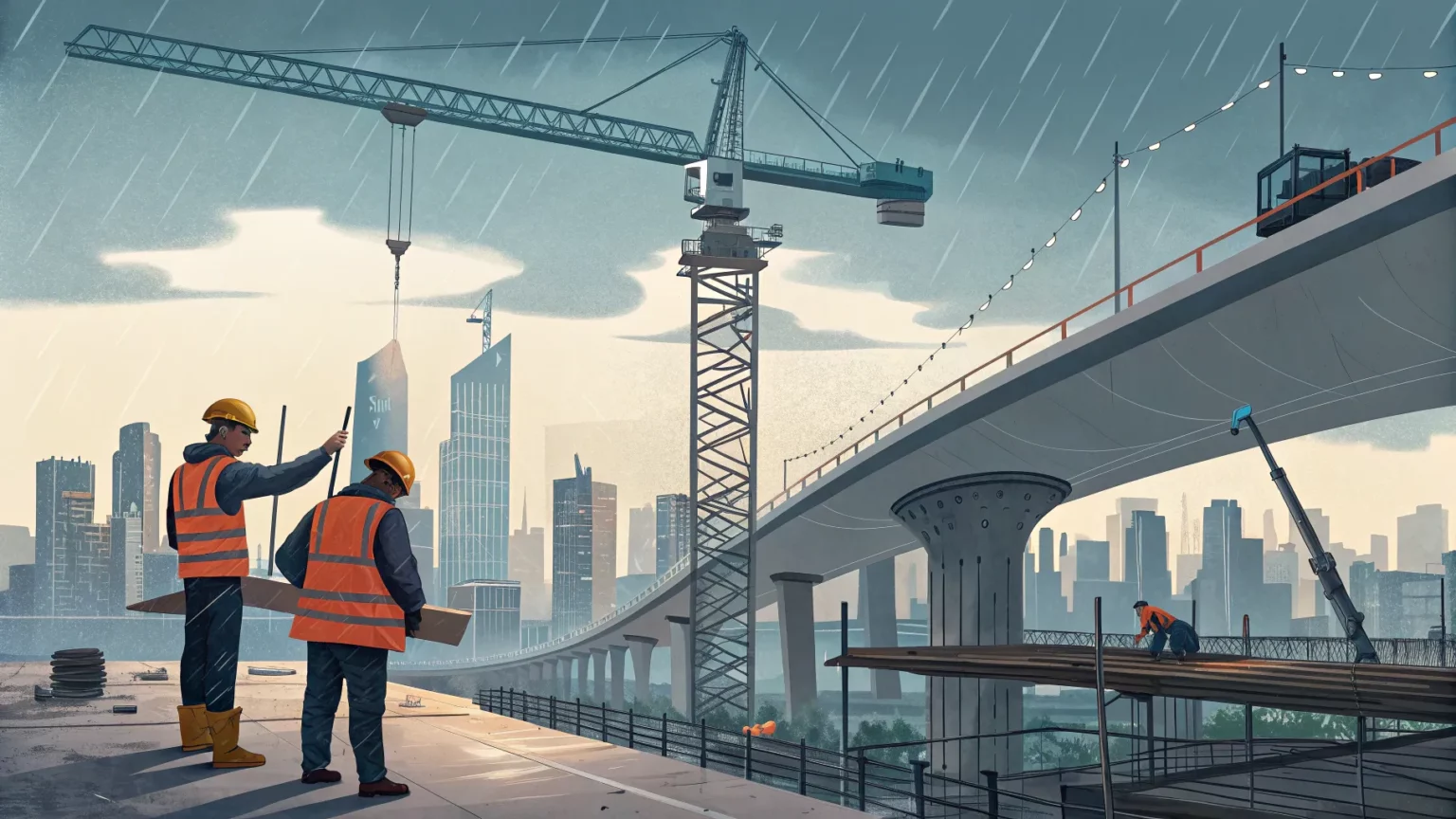
Coverage now follows concrete tests, corrosion scans, and grid upgrades. Engineers are reinforcing bridges, burying power lines in fire zones, and adding sensors to detect early faults. Cities are raising seawalls and redesigning stormwater systems to handle intense rain.
Stories often show trade-offs. A stronger grid can cut outages, but new transmission lines face local pushback. Quick fixes may keep traffic moving, yet full replacements save money over decades. Reporters are comparing costs, timelines, and projected resilience.


- Bridge retrofits and real-time monitoring
- Substation upgrades for peak demand
- Stormwater tunnels and coastal barriers
Chips, Automation, And The Talent Shortage
Semiconductor fabs and battery plants are rising in multiple regions. New chip designs for data centers and cars need precise tools and clean rooms. Construction is complex and often runs on tight schedules.
Automation is expanding in factories and warehouses. Engineers are deploying machine vision and robotics to raise yield and reduce injuries. Yet managers say hiring remains hard. Many projects need electricians, welders, and controls experts at the same time.
Education leaders point to apprenticeships and short courses to close gaps. Companies are pairing senior engineers with early-career hires on design-build teams. Reporters are watching whether these steps improve delivery and quality.
Safety, Standards, And Public Trust
Safety is central in every story. Investigations look at how teams learn from near-misses and share fixes. Standards bodies are updating rules for batteries, charging systems, and pressure vessels. Cybersecurity is now part of plant design, not an afterthought.
Transparency also matters. Communities want clear timelines and cost updates. When a project slips, editors push for detailed explanations. In one example, a city released a weekly punch list to show progress on a delayed transit station. Such accountability can rebuild trust.
What To Watch Next
Reporters will follow three threads. First, whether grid and water projects meet summer and winter demand. Second, if chip and battery factories open on schedule. Third, how fast training programs scale to meet hiring targets.
Readers can expect more explainers on materials, from low-carbon cement to advanced alloys. Expect case studies on modular construction and 3D-printed parts. And look for comparisons of repair versus replacement as public works age.
The push is clear: show the work. Explain how engineers solve problems, step by step. Share lessons when plans change. As one editor put it, the goal is to highlight designs that stand up over time and serve the public well.
In the months ahead, coverage will track outcomes, not just announcements. The key questions remain simple. Did the project meet its goal? Is it safe, durable, and fair on cost? Readers will judge the answers by what gets built.