




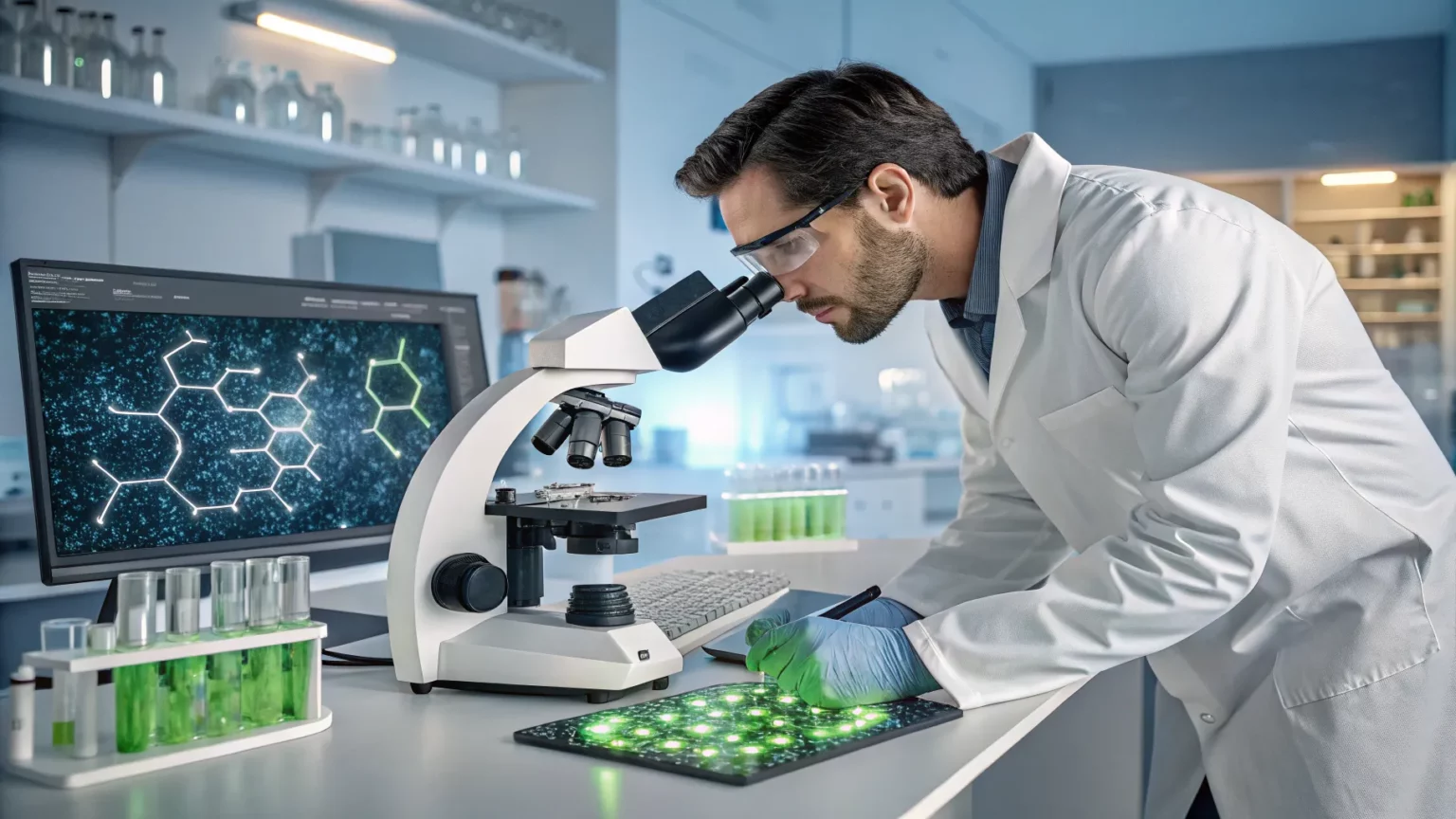
A new European effort is seeking help to test whether carbon quantum dots can truly sense chemicals inside living cells. The call, highlighted by Nature, urges labs to validate years of eye-catching claims with careful, shared protocols. The initiative signals a push for stronger evidence in a field that blends nanomaterials with cell biology.
The project invites researchers to examine if these tiny, fluorescent particles respond to specific molecules under real biological conditions. The aim is to separate signal from noise. It also hopes to build trust in results that could guide future diagnostics and biosensors.
Why Carbon Quantum Dots Drew Interest
Carbon quantum dots, often only a few nanometers across, gained attention in the mid-2000s. They glow under light and can be made from common carbon sources. They are seen as less toxic than many metal-based dots and are simple to produce. Early studies suggested they could detect metal ions, pH changes, or reactive oxygen species by shifting their color or brightness.
These features could make them useful for tracking cell chemistry, spotting disease markers, or guiding drug screening. As a result, papers and patents grew. Yet synthesis methods vary widely. Surface groups, size, and impurities can change from batch to batch. That variability raises questions about how repeatable reported signals really are.
Call for Independent Verification
“A European project calls for help to verify whether carbon quantum dots are really able to sense chemicals in cells.”
The appeal underscores a central challenge in bioimaging. Signals that look clear in a dish can fade or mislead in living cells. Autofluorescence, pH swings, protein binding, and light damage can confuse results. Without shared standards, two labs may see different outcomes from the same material.
Nature’s spotlight on the effort suggests that funders and journals want stronger checks. Independent replication and pre-set analysis plans could help. So could blinded samples and cross-lab calibrations.
What Needs to Be Proven
Experts say the key test is selectivity in complex environments. A sensor must respond to a target molecule while ignoring many others. It must also work at realistic concentrations and timescales in live cells. That requires careful controls and quantitative readouts, not only bright pictures.
- Show a clear, dose-dependent response in cells, not just in buffer.
- Rule out artifacts from pH, ionic strength, and light exposure.
- Verify that surface chemistry and size are stable across batches.
- Use orthogonal methods to confirm the same chemical changes.
If these steps hold up across multiple sites, confidence grows. If not, the field may rethink or refine claims about what carbon dots can do inside cells.



Supporters and Skeptics Weigh In
Supporters point to low cost, easy synthesis, and flexible chemistry. They argue that careful functionalization can tune sensitivity to certain ions or oxidative stress. They also note that carbon-based materials tend to be more biocompatible than heavy-metal dots.
Skeptics counter that many signals track general stress, not a specific molecule. They worry that impurities drive much of the fluorescence. Some suspect that color shifts linked to a target may instead reflect aggregation or protein binding. They want hard evidence that a dot’s response maps cleanly to a single chemical change in a living cell.
Implications for Research and Industry
The outcome matters for companies developing lab kits and imaging tools. If claims hold, carbon dots could bolster low-cost sensors for toxic metals or oxidative damage. If not, firms may pivot to other nanomaterials or to enzyme-based probes. Universities may also refine training on nanoparticle characterization and standard curves in cells.
For science policy, the project could become a model for community checks on fast-moving fields. Shared protocols, public datasets, and preprints can speed learning and corrections. Clear reporting of synthesis routes and spectra would also help others reproduce results.
What Comes Next
The call for help aims to gather broad participation. Multi-site tests can map when and how carbon dots work, and where they fail. Even negative results have value if they guide better designs.
Stronger evidence could shape grant priorities and journal standards. Readers should watch for interlaboratory papers that compare batches, targets, and cell types. Look for studies that pair imaging with chemical assays and report full metadata.
The initiative’s message is simple. Claims about sensing inside cells must rest on solid, repeatable proof. If carbon quantum dots pass that test, they could still find a place in the lab. If not, the field will move on with clearer eyes.