


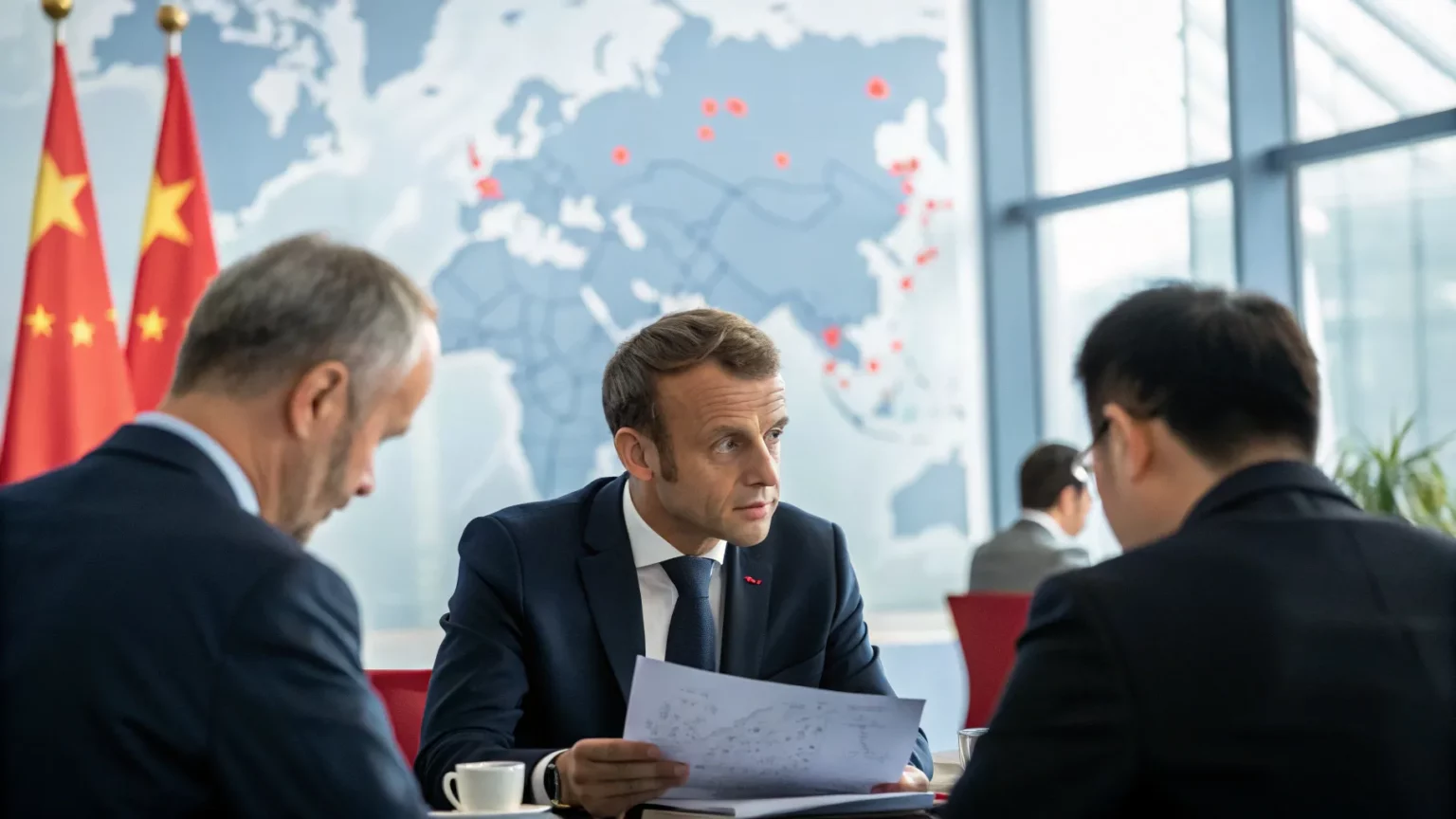
Europe is preparing to take a firmer line with China as trade and security tensions build across the continent. The shift, visible in Brussels and national capitals over the past two years, is reshaping how the European Union manages ties with its largest goods supplier. The stakes are high. Leaders face pressure to protect industry, guard critical technology, and keep markets open without tipping into a trade war.
The debate is clearest in sectors where Europe says Chinese state support has tilted the field. Electric vehicles, green tech, and telecoms are now at the center of new probes, tariffs, and restrictions. Policymakers argue that a tougher stance is needed to defend jobs and reduce reliance on a single supplier, while business groups warn about retaliation and higher costs.
“Yet China may be underestimating Europe’s willingness to push back.”
Europe’s Hardening Stance
The EU’s approach has moved from engagement to what Brussels calls “de-risking.” The idea is to cut exposure in sensitive areas without cutting off trade. That change followed a record goods trade deficit with China of roughly €396 billion in 2022, according to Eurostat, and mounting complaints about unfair subsidies.
European Commission President Ursula von der Leyen has argued that security and competitiveness must guide policy. Several governments have tightened 5G rules affecting Huawei and ZTE. The Netherlands imposed export controls on advanced chipmaking tools, curbing shipments by ASML. The Commission also launched probes into Chinese wind turbine suppliers and solar products.
Trade Flashpoints: EVs, Green Tech, and Food
The sharpest dispute centers on electric cars. In 2023, Brussels opened an anti-subsidy investigation into Chinese EV imports. Provisional duties followed in 2024, aimed at companies such as BYD, SAIC, and Geely. EU officials say low-priced vehicles reflect heavy state support, risking a wipeout of Europe’s midmarket. Analysts note that Chinese-made EVs accounted for about 8 percent of EU sales in 2023, and that share is rising.
Beijing has signaled it could respond with tariffs on European goods, including brandy and pork. Auto suppliers fear a spiral that could hit German, French, and Italian manufacturers that depend on China for sales and parts. Farm groups warn that food exports could be caught in the crossfire.
Green technology is another pressure point. European firms argue that cheap Chinese solar panels and batteries help the climate push but undermine local industry. EU tools now allow probes when foreign subsidies distort procurement and mergers, adding scrutiny to Chinese-backed bids across the bloc.
New Tools in Brussels’ Toolkit
To manage these disputes, the EU has built a set of legal instruments designed for rapid response.


- Anti-Subsidy and Anti-Dumping actions targeting underpriced imports.
- The Anti-Coercion Instrument to respond to economic pressure on member states.
- The Foreign Subsidies Regulation to screen deals and tenders backed by non-EU state aid.
- Investment screening regimes to review sensitive acquisitions.
- Export controls on dual-use and advanced technologies.
Officials say these tools aim to keep trade fair and reduce strategic risks. Critics caution that overlapping rules can burden companies and slow investment.
Economic and Political Risks
Europe’s push carries risks. Higher tariffs can raise prices for consumers and strain climate goals if the shift delays EV adoption. Retaliation from China could hit luxury goods, agriculture, and carmakers with large China sales. Supply chains for batteries and critical minerals remain tight, and alternative sources take time to scale.
Politically, the EU must keep 27 member states aligned. Some economies are more exposed to China than others. Business lobbies urge calibrated steps, warning that a broad rupture would hurt growth. Human rights and security concerns, however, keep pressure on leaders to act.
What to Watch Next
Key decisions in the coming months include final EV tariffs, outcomes of solar and wind subsidy probes, and any Chinese countermeasures. Implementation of the Anti-Coercion Instrument will be a key test if a member state faces targeted trade pressure. Investment screening cases tied to batteries and semiconductors will show how far the EU is willing to go in sensitive sectors.
National elections and shifting public opinion could also shape policy. European voters rank cost of living and jobs as top concerns. That gives cover for protective steps, but also limits tolerance for price spikes or supply shocks.
For now, Europe appears set on a firmer course. The message to Beijing is clear: competition is welcome, but not at any price. Whether that balance holds will depend on how both sides handle the next round of decisions.