




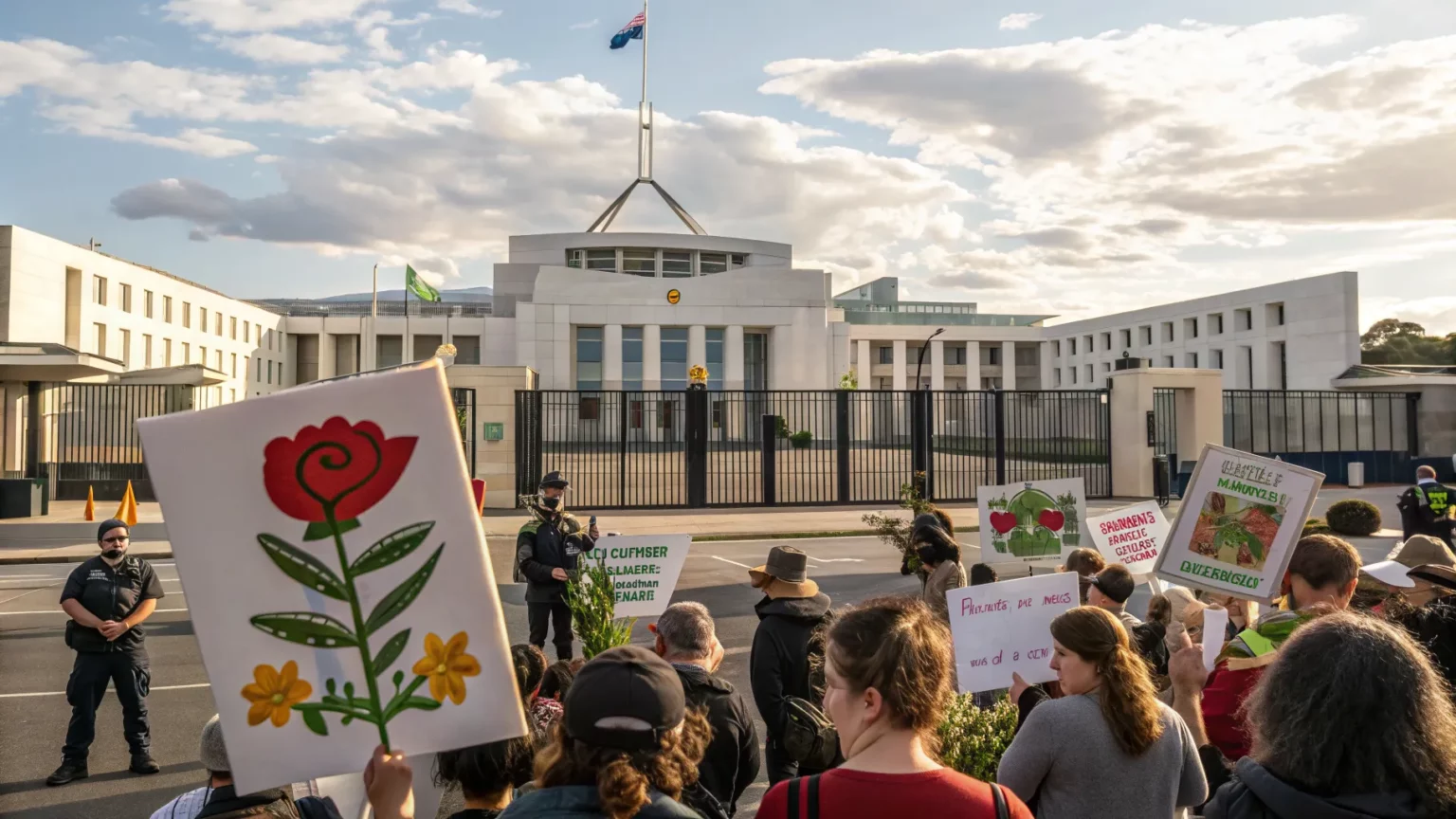
A recent executive order to expand glyphosate manufacturing has triggered a swift backlash from supporters of Health Secretary Robert F. Kennedy Jr., deepening a long-running fight over the world’s most widely used weedkiller.
Administration officials framed the move as a way to stabilize farm inputs and curb inflation pressures. Critics warned that higher output could widen exposure to a chemical at the center of safety debates and high-profile court cases. The dispute now sits at the intersection of agriculture, health policy, and industry regulation.
What Sparked the Dispute
An executive order aimed at ramping up production of glyphosate set off alarms among supporters of Health Secretary Robert F. Kennedy Jr.
Backers of the health secretary argued the order runs against precautionary public health goals. They want tighter limits on herbicides linked by some researchers to cancer and ecological harm. The order, they say, points policy in the wrong direction at a sensitive time for consumer trust.
Glyphosate’s Contested Record
Glyphosate has been a farm mainstay for decades, credited with improving weed control and supporting yields. It is used in row crops, orchards, and home gardening. That reach has brought large benefits and persistent concerns.
Regulators have split over its risks. The World Health Organization’s cancer research arm classified glyphosate as “probably carcinogenic to humans” in 2015. The U.S. Environmental Protection Agency has said it is “not likely to be carcinogenic” at approved exposure levels, while courts have pressed the agency to revisit parts of its reviews.
Jury verdicts against the maker of Roundup, a glyphosate-based product, fueled public concern. Bayer, which acquired Monsanto in 2018, announced a multibillion-dollar settlement framework in 2020 to resolve many claims while continuing to defend the product’s safety.
Farm Economy Pressures and Industry Response
Farm groups argue supply security is urgent. Droughts, trade shifts, and pandemic-era disruptions strained herbicide inventories. Prices rose. Some growers cut applications or scrambled for alternatives with mixed results. Industry leaders say the order will stabilize supplies and help keep food costs in check.
Chemical producers point to decades of field data and regulatory reviews. They say modern application practices reduce drift and exposure. They also highlight new labels, training, and stewardship programs designed to limit risk.


- IARC: “Probably carcinogenic to humans” (2015).
- EPA: “Not likely to be carcinogenic” at approved uses.
- Roundup litigation: large verdicts and a major settlement plan by Bayer in 2020.
Public Health and Environmental Concerns
Health advocates counter that evidence of harm is strong enough to justify tighter controls, not more production. They point to studies linking glyphosate exposure to non-Hodgkin lymphoma and argue that rural communities and applicators face the greatest risk. Environmental groups warn of impacts on soil life and pollinators.
Supporters of the health secretary see the order as out of step with prevention-focused policy. They want expanded biomonitoring, stricter buffer zones near homes and schools, and faster review of safer weed control methods.
Policy Crossroads and What Comes Next
The order could speed permits for manufacturing and imports, but implementation will hinge on agency rulemaking and court scrutiny. Legal challenges are likely from both sides. One side may argue the action cuts corners on environmental review. The other may claim delays harm growers and the food supply.
State regulators may also act. Several states have considered tighter restrictions, seasonal limits, or new warning labels. Divergent state rules could create a patchwork that complicates compliance and distribution.
Attention now turns to how federal agencies align the order with ongoing reviews of glyphosate and related products. The outcome could reshape weed-control strategies, crop budgets, and consumer perceptions.
The debate has entered a new phase. The executive order pleased farm groups facing tight margins, but it angered health and environmental advocates who want less reliance on chemical weed control. The next steps—agency guidance, court rulings, and any changes in labels or use patterns—will signal whether production rises quickly or meets fresh limits. Watch for new safety assessments, state-level actions, and early-season supply data to show how policy translates into practice on the ground.