



A baking expert is urging home cooks to rethink how they make pancakes, arguing that a simple switch can save time, cut costs, and lighten the footprint of breakfast. The advice lands at the heart of a familiar weekend ritual, with practical stakes for busy households and eco-minded cooks.
The expert’s pitch is clear: there is a smarter way to cook pancakes at home, and it benefits wallets, schedules, and the planet. While the method was not named, the message is aimed at home kitchens everywhere, where choices about heat, pans, and process add up.
“Our baking expert has an opinion about which way you should make pancakes at home, and suggests that one method saves time, money, and is better for the planet.”
The Breakfast Staple Under Review
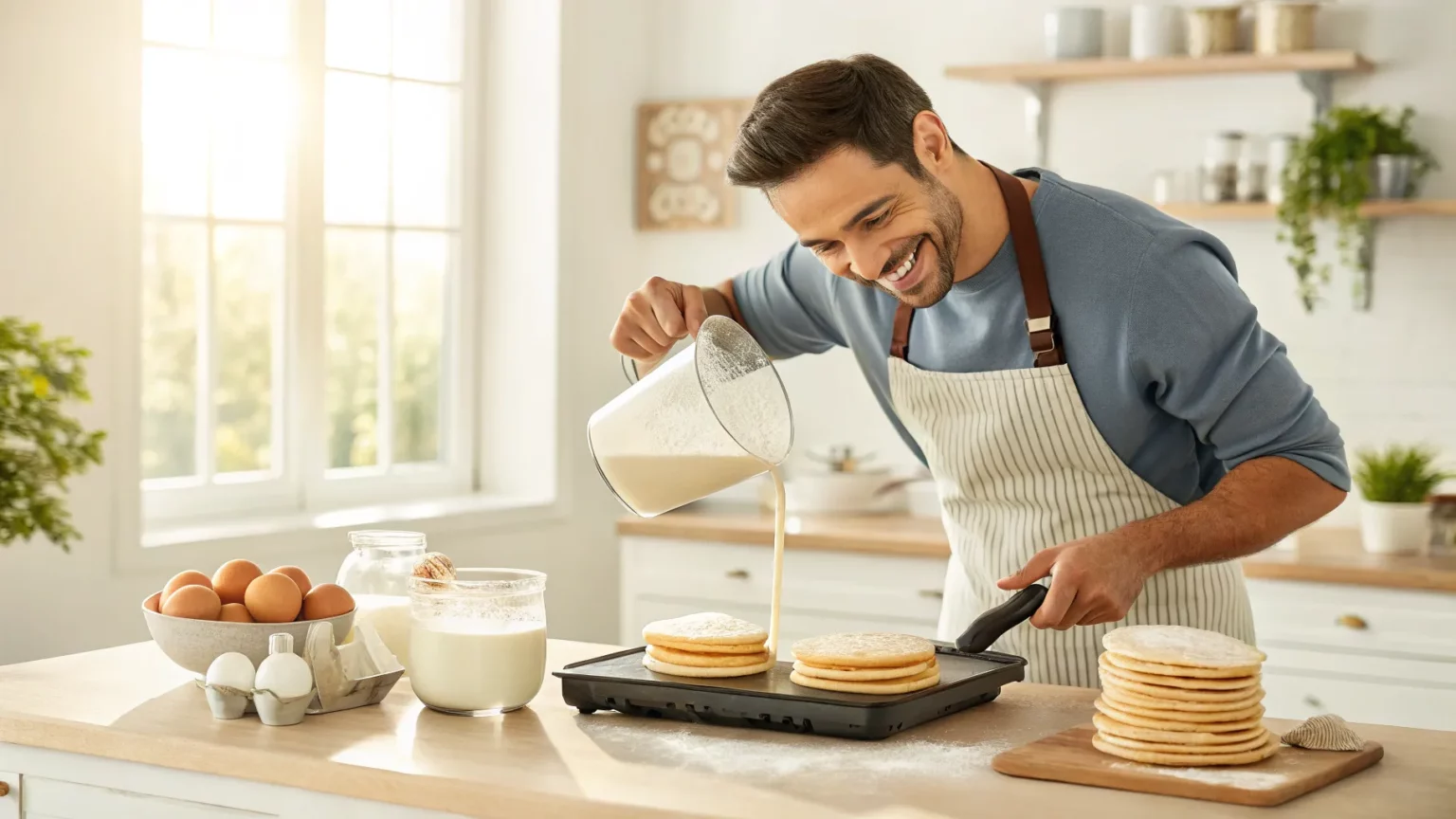
Pancakes are a default comfort food. They also come with decisions: stovetop or oven, batch or made-to-order, mix or from-scratch. Each choice affects how long breakfast takes, how much energy is used, and how much cleanup follows.
The expert’s argument fits a growing push in home cooking to use fewer burners, fewer bowls, and less effort for the same result. A method that rolls mixing and cooking into a tighter routine can shorten prep, reduce mess, and keep heat use in check.
Time and Money: The Case for Efficiency
Time adds up fast on a sleepy morning. A method that cooks more pancakes at once, limits flipping, or uses even heat can compress the whole process. Fewer steps and fewer batches mean breakfast arrives sooner.
Money follows the same logic. Less time spent with a flame or element on, and less waste from overmixed batter or scorched first rounds, can help trim household costs. Streamlined cooking also often means less oil or butter, one less pan on the stove, and fewer tools to wash.
- Batching reduces active cooking minutes.
- Even, gentle heat can prevent waste from burnt edges.
- Minimal tools mean less soap, water, and time at the sink.
The Environmental Angle
Breakfast choices carry hidden energy costs. Longer burner time or repeated heating for multiple rounds can add up across a year of weekend stacks. A method that shortens cook time or centralizes heat use can cut energy demand in small but steady ways.
Waste matters, too. Overmixing can lead to tough pancakes that go half-eaten. A more forgiving approach reduces the odds of a do-over batch and keeps leftovers usable. Small shifts in routine, repeated often, make a quiet difference.



Fans, Skeptics, and What’s at Stake
Traditionalists may favor a skillet for fine control and crisp edges. They argue that texture and browning are best managed one pancake at a time. Others welcome any approach that gets pancakes to the table faster, especially for families and brunch groups.
The expert’s stance, however, suggests a trade many cooks will accept: a method that is fast, budget-friendly, and gentler on the environment, even if it means adjusting technique. That tradeoff reflects a broader kitchen trend, where convenience meets conscience.
Practical Moves for Home Cooks
While the expert’s preferred method was not specified, the reasoning points to choices that most cooks can apply without special gear.
- Cook more pancakes at once to cut burner time.
- Use steady, moderate heat for consistent results.
- Mix batter gently in one bowl to avoid waste.
- Plan portions to reduce leftovers you will not eat.
- Preheat only what you need, and turn off heat promptly.
What This Means for the Morning Routine
The takeaway is less about strict rules and more about smart habits. If a change in method trims minutes, lowers the gas or power bill, and prevents waste, that is a practical win.
For many kitchens, that could look like cooking in efficient batches, keeping tools to a minimum, and focusing on even heat. These choices improve breakfast without asking for perfection.
The expert’s advice lands at a timely moment when home cooking is about more than flavor. It is also about time management and small, steady gains in energy use. Pancakes, as it turns out, are a handy test case for both.
Watch for more cooks to try approaches that trade a little ritual for reliable speed and savings. If the expert is right, the method that helps the clock, the budget, and the planet may soon be the default way to flip breakfast.