




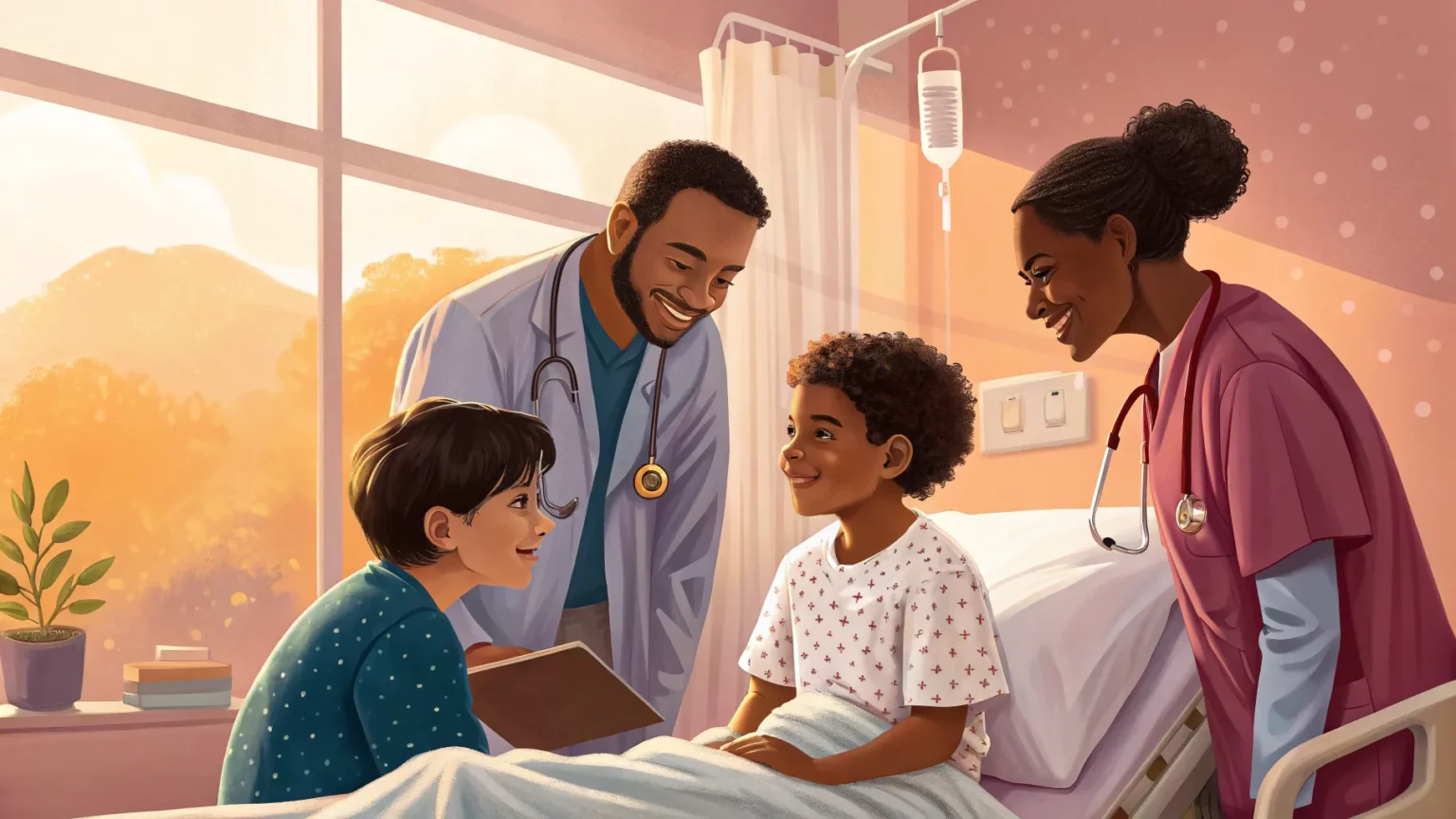
Doctors are weighing new options to protect the future fertility of children who need cancer treatment. As survival rates rise, families and clinicians are looking beyond the immediate fight to what life might look like years later. The goal is simple: give young patients a chance at having biological children when they grow up.
One idea is gaining attention among pediatric oncology and reproductive medicine teams. It focuses on saving ovarian or testicular tissue from children who have not yet reached puberty. The tissue is frozen before chemotherapy or radiation, which can damage fertility. If successful, it could offer more choices later in life for survivors who want to build a family.
“Saving reproductive tissue from kids treated for cancer before adolescence could give them a chance at having biological children later in life.”
Why Fertility Is at Risk
Cancer therapies have become more effective, and more children survive into adulthood. But some drugs and radiation can harm the ovaries or testes. Puberty has not yet started in many pediatric patients, so standard fertility options, like sperm banking or egg freezing, are not possible.
This is where tissue preservation comes in. Surgeons remove a small piece of ovarian or testicular tissue before treatment begins. The sample is then frozen for possible use in the future. The idea is to either reimplant the tissue later or mature the cells in the lab when technology allows.
What the Procedures Involve
For prepubertal girls, ovarian tissue cryopreservation involves removing part of an ovary using minimally invasive surgery. The tissue holds immature eggs. For boys, testicular tissue cryopreservation stores stem cells that could one day produce sperm. Both procedures are done under anesthesia, often at the same time as another needed procedure to reduce added risk.
Experts say the approach remains experimental for children. Ovarian tissue transplants have helped adult women conceive after cancer, but the data in younger patients is still developing. For testicular tissue, researchers are studying ways to safely create sperm in the lab or after transplant, and human success has not yet been shown.
- Ovarian tissue freezing is established for some adults, experimental for children.
- Testicular tissue freezing is experimental, with active research but no confirmed human births.
- Early referral and counseling are key to planning before treatment starts.
Balancing Hope and Uncertainty
Families often face hard choices during a frightening time. Clinicians emphasize clear counseling about benefits and limits. Many programs present the option as a way to keep doors open, not a guarantee of future pregnancy. Some centers include psychologists, ethicists, and social workers to support decision-making.
Equity is another concern. Access can vary by hospital, insurance coverage, and geography. Advocates argue that every child should have the chance to discuss fertility risks before treatment. They call for standard referrals and financial support to avoid leaving families behind.


Costs, Access, and Ethics
Costs can include the surgery, storage fees, and future procedures. Without coverage, the price can be a barrier. Some hospitals and nonprofits offer assistance. Ethics questions include the child’s ability to assent, the long time horizon, and how to handle tissue if the child’s wishes change later.
Clinicians say good practice includes documenting family decisions, discussing future consent, and reviewing plans during survivorship care. Hospitals are building registries and follow-up systems to track outcomes and safety over time.
What Research Is Exploring
Scientists are testing ways to mature eggs and sperm from preserved tissue. They are also studying how to reimplant tissue without reintroducing cancer cells. Early findings in lab and animal studies show progress, but translation to routine care takes time and strict oversight.
Programs are also comparing outcomes from different freezing methods and surgical techniques. They aim to improve safety, lower costs, and make the process more reliable. Survivors and families are helping guide study goals to match real-life needs.
The idea behind tissue preservation is straightforward and powerful. It gives childhood cancer survivors a future option that does not exist with traditional methods. As one clinician put it, the approach “could give them a chance,” but it still carries uncertainty.
For now, the advice is clear: discuss fertility risks early, ask about all options, and document decisions. Hospitals are expanding counseling, and researchers are moving step by step. The next few years will show whether today’s preserved tissue becomes tomorrow’s birth announcements, and whether access grows along with the science.