




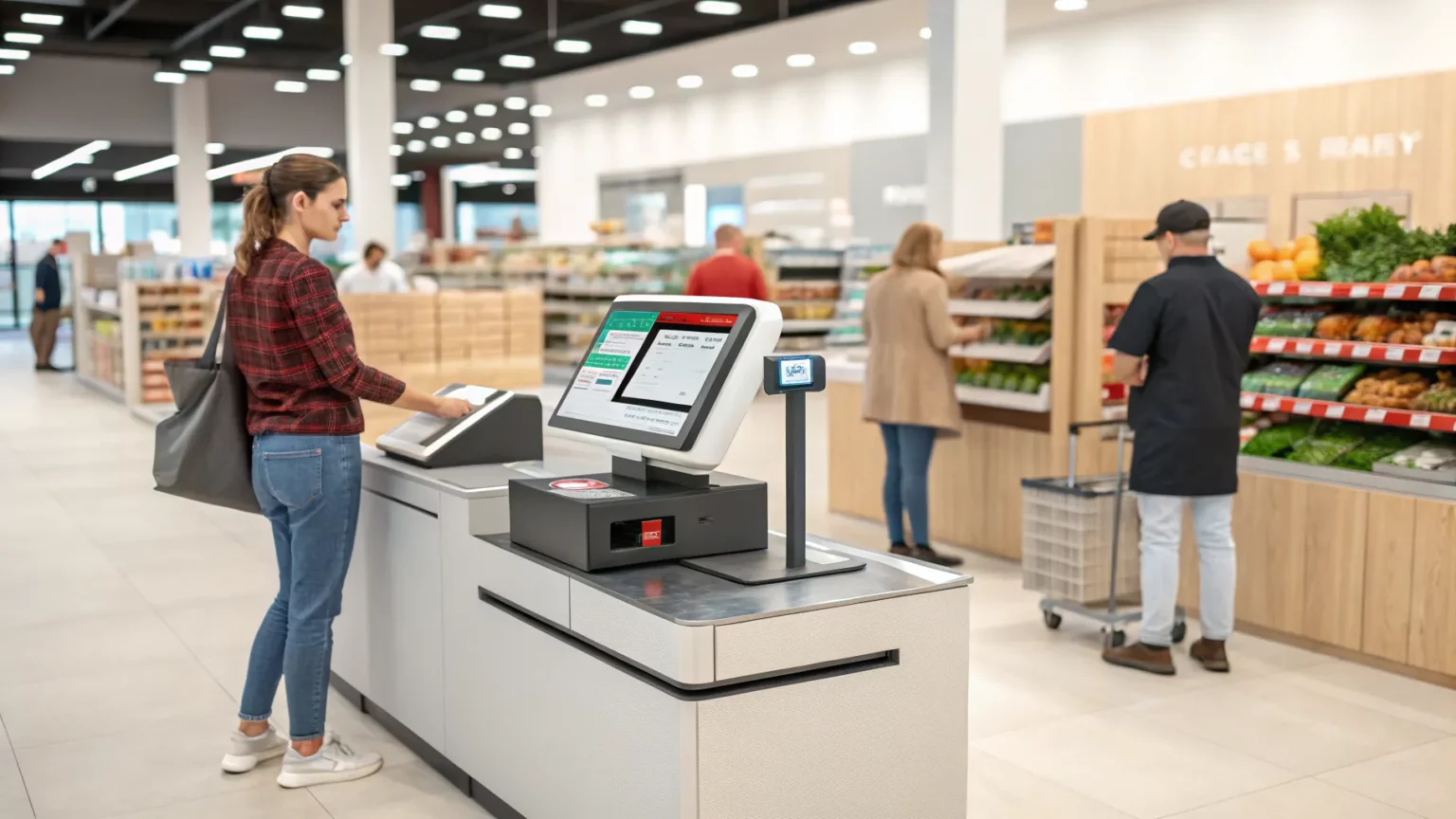
Fibocom is promoting an AI electronic cash register solution that blends edge computing with strong connectivity to change how stores run and serve shoppers. The company says the system is designed for in-store use, where split-second decisions and reliable links are critical for payments, pricing, and service. The move targets retailers looking to tighten operations, manage costs, and respond faster to customers on the sales floor.
What the Company Says the System Does
“Fibocom’s AI ECR solution combines high-performance edge AI computing with rich connectivity, allowing retailers to deliver smarter in-store experiences.”
The company frames the ECR as a hub that can process data locally and stay connected to store networks and cloud dashboards. By handling visual, voice, or sensor inputs at the edge, the system can cut latency for tasks like item recognition, real-time price checks, and fraud flags at checkout. The connectivity piece is aimed at reliable payments and secure links for software updates, device management, and inventory sync.
Why Edge AI Matters for Retail
Retailers often face slow or unreliable links between stores and central systems. Processing data in the store can keep lines moving even if the backhaul stutters. It can also reduce bandwidth costs by sending only key insights to the cloud. Privacy is another reason. Sensitive video or voice data can stay on-site when analysis happens at the edge.
Edge-enabled ECRs can support use cases that were once too slow or costly, such as vision-based item scanning, receipt matching, or dynamic promotions triggered by cart contents. They can also help staff with real-time prompts, like age checks or refund rules at the counter.
Industry Context and Adoption Hurdles
Retail has tested AI across loss prevention, demand planning, and pricing for years. But turning pilots into store-wide tools has been hard. Integration with old point-of-sale software and peripherals can stall projects. So can staff training and upkeep across many locations.
Analysts often point to three hurdles for in-store AI: device management at scale, proof of return on investment, and data security. An ECR with built-in connectivity could help with the first by allowing centralized control, remote diagnostics, and over-the-air updates. Clear gains in speed and accuracy at checkout would speak to the second. For the third, on-device processing can reduce exposure by limiting what leaves the store.
How It Could Change Store Operations
If the system delivers as described, retailers could see faster checkouts and fewer manual overrides. Scales and cameras at the counter could support fresh produce recognition. Automated checks could flag mismatches between barcodes and items placed on the counter. Guided workflows might shorten training time for new staff.
- Local AI can reduce lag for item recognition and anomaly detection.
- Stable links help payment uptime and remote support.
- On-device analysis can limit data leaving the store.
For customers, the promise is shorter lines and fewer errors at the register. For managers, it is better uptime, more consistent procedures, and clearer signals on when to open extra lanes.



Connectivity Options and Security Priorities
“Rich connectivity” generally means support for Wi-Fi, cellular, and wired links. In practice, stores often mix these to protect against outages. A device that can shift between them can keep transactions running during peak hours or network issues. This setup also makes it easier to connect peripherals and digital signs that sit near the register.
Security remains central. Payment terminals must comply with strict rules. Any AI feature must respect privacy laws and company policies. Retailers will look for encrypted links, hardware-level security, and clear controls over what data is stored or shared.
What to Watch Next
Technology like this tends to roll out in stages. Retailers pilot in a handful of stores, measure speed, error rates, and device uptime, then expand if targets are met. The most telling metrics will be average transaction time, employee training hours, and the rate of manual overrides. Clear gains in these areas usually support a wider rollout.
Vendors also face the test of integration. Smooth pairing with existing scanners, printers, and back-office software can make or break adoption. Service level agreements for remote support and updates will be another key factor, especially for chains with many sites.
Fibocom’s message is clear: bringing AI to the edge of the checkout aims to make stores quicker and more reliable. The next step is proving that promise at scale. Retailers will watch for stable performance, tight security, and measurable gains at the counter. If those boxes get checked, AI-enabled ECRs could become a standard part of front-end operations in the years ahead.