


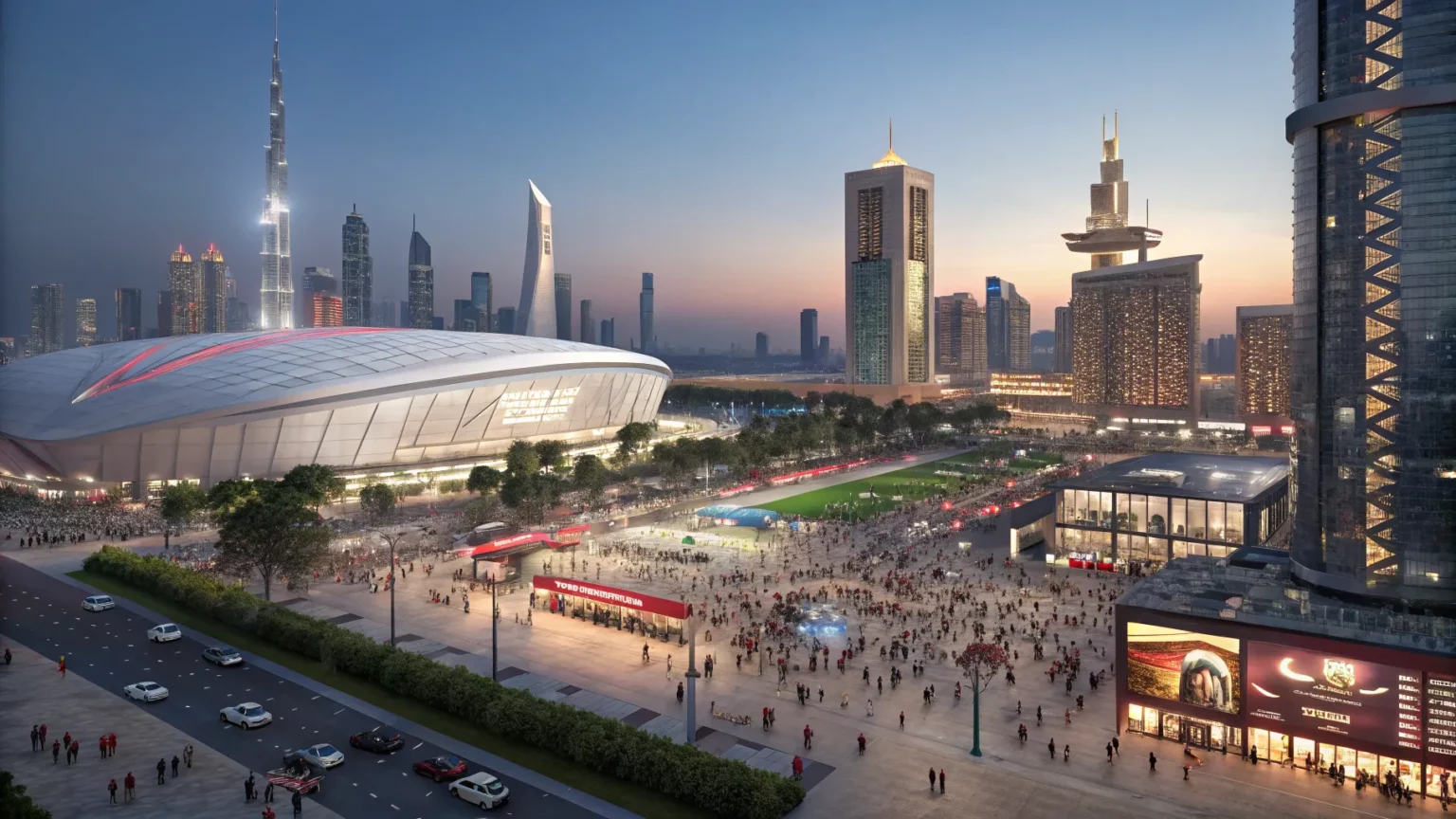
FIFA says the upcoming tournament could deliver a windfall to the United States, projecting as much as $9.6 billion in economic activity. The estimate arrives as U.S. host cities prepare for a surge in visitors, spending, and media attention. With matches spread across major metros in 2026, the stakes for tourism, jobs, and public budgets are high.
The projection points to a summer of full hotels, packed flights, and busy restaurants. It also raises questions long debated by economists: Do mega-events pay off once the bills for security, traffic control, and infrastructure come due?
What the Estimate Means
“FIFA estimates that the tournament could inject up to $9.6 billion into the US economy.”
The headline number reflects direct spending by visitors, teams, and media, along with indirect effects as money circulates through local businesses. Organizers also count temporary jobs in hospitality, event operations, and construction. The estimate suggests a short, sharp boost rather than a long expansion.
Economists caution that the total impact depends on how much spending is new rather than displaced from other activities. They also weigh how much public money is needed to host games and manage crowds.
Background: Mega-Events and Mixed Results
Large tournaments often promise big gains, but independent studies show mixed outcomes. Benefits tend to be concentrated in tourism and service sectors. Long-term gains hinge on how much new infrastructure is useful after the final whistle.
The United States last hosted the men’s event in 1994, when strong ticket sales set records. This time, with a larger field and more matches expected, the visitor count could be higher. That raises both opportunity and risk for host cities already facing tight housing and transport capacity in peak summer months.
Winners, Losers, and Local Tradeoffs
Hospitality leaders expect spikes in occupancy rates and room prices in host metros. Airlines, rideshare services, and retailers are also planning for heavier demand. City officials must balance those gains against public costs for security, transit, and crowd control.
- Hotels and short-term rentals stand to see higher occupancy and rates.
- Restaurants, bars, and event venues anticipate increased foot traffic.
- Airlines and airports prepare for heavier international arrivals and transfers.
Small businesses near stadiums often experience the biggest lift. But some residents may encounter higher prices, traffic delays, or limited access to usual public spaces. Event-time restrictions and ticketed zones can shift spending away from nearby blocks that are not inside security perimeters.


How Cities Are Preparing
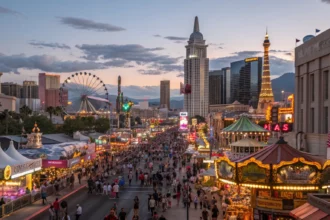
Host committees are coordinating with law enforcement, transit agencies, and tourism boards. Plans focus on stadium upgrades, fan zones, and last-mile transportation. Many cities are reviewing overtime budgets, venue staffing needs, and emergency services capacity.
Economists say careful planning can keep more dollars local. That includes promoting neighborhood businesses, extending transit hours, and easing permit rules for pop-up vendors. Clear contracts on security and cleaning can prevent budget overruns after the event ends.
Comparisons and Caution
Forecasts for major sports tournaments are often revised as ticket sales, travel patterns, and sponsorships become clearer. Previous hosts have learned that visitor behavior can differ from early models. Some fans book short stays close to matches, while others turn trips into longer vacations.
Analysts suggest tracking a few markers to test the projection:
- Average length of stay for international visitors.
- Hotel occupancy and rate changes compared with typical summer weeks.
- Sales tax and airport passenger data during match windows.
- Public safety and transport costs compared with original budgets.
What to Watch Next
Ticket release schedules, city-by-city match assignments, and travel packages will shape where spending concentrates. Corporate hospitality and sponsor activations could amplify the effect in downtown cores. Local campaigns to promote museums, parks, and neighborhoods may help spread activity across metro areas.
The $9.6 billion figure sets a high bar. The final tally will depend on visitor volumes, pricing power in peak weeks, and how efficiently cities manage operations. If planning holds and crowds arrive as expected, the summer could lift revenue across key sectors. If costs climb or visitor stays shorten, gains may narrow.
For now, the estimate signals a rare moment for U.S. tourism and service industries. City leaders, businesses, and residents will be watching the numbers—and the traffic—when the whistle blows.