



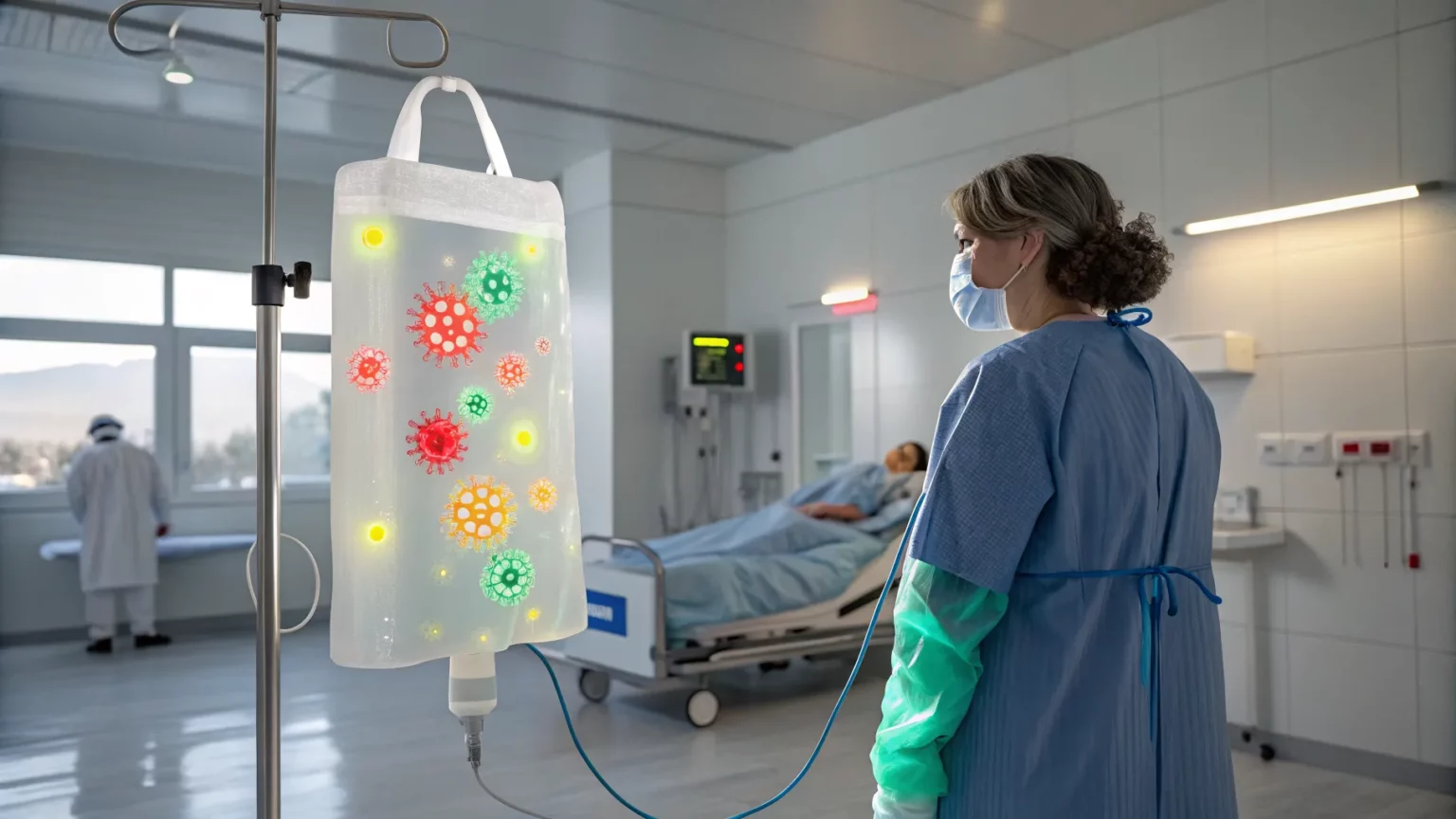
A new fluorescent detection method promises earlier warning of urinary tract infections in patients with catheters, aiming to flag E. coli growth inside collection bags in real time. The approach, described by its developers as a low-cost add-on to standard equipment, could help hospitals and long-term care facilities catch infections sooner and reduce complications.
The concept is simple: a sensor or dye inside or attached to a catheter bag lights up when it encounters E. coli. That signal could alert nurses before symptoms worsen. Early detection is key because catheter-associated infections can escalate quickly and lengthen hospital stays.
“Novel fluorescent technology targets urinary tract infections by enabling early, real-time detection of E. coli bacteria in catheter bags.”
Why Early Detection Matters
Urinary tract infections remain one of the most common bacterial infections worldwide. In hospitals, catheters are a major source of risk. The Centers for Disease Control and Prevention has identified catheter-associated urinary tract infections as a leading hospital-acquired infection. Patients in intensive care, older adults, and those with limited mobility face the highest danger.
Healthcare teams often rely on fever, patient discomfort, or urine tests to spot an infection. Those signals can arrive late. Antibiotics are then started after the infection has taken hold. A fluorescent alert in the bag could move that timeline forward by hours or even days, guiding earlier culture testing and targeted care.
How the System Could Work
While full technical details were not disclosed, fluorescent detection usually pairs a target molecule with a light-emitting dye. When E. coli enzymes or surface markers interact with the dye, it glows under specific light. A simple reader or even a visual check could reveal the change.
- Continuous, real-time monitoring without opening the system
- Visual signal for quick bedside checks
- Potential to integrate with electronic alerts
Designers say the goal is to keep the workflow familiar. Nurses already inspect catheter bags. A visible color change or a small indicator window could fit into routine rounds with minimal training.
Potential Impact on Care
Earlier alerts may cut down on severe infections and reduce hospital days. Some infection-control specialists argue that faster detection could also limit broad antibiotic use by encouraging targeted therapy. That could help antibiotic stewardship programs, which seek to reduce unnecessary prescriptions and slow the spread of resistant bacteria.
Costs matter as well. Hospitals spend heavily on infection-related care and penalties. If the sensor is inexpensive and durable, it could deliver savings by preventing complications. Long-term care facilities, where catheter use is common, could also benefit from an easy, visual tool that prompts earlier lab testing.



What Experts Will Watch
Specialists will look for independent trial results. Sensitivity and specificity will be key metrics. A strong signal at low bacterial counts is good, but false alarms could drive unnecessary antibiotics. Infection prevention teams will also assess whether the system fits sterile handling rules and does not add risk when installed.
Regulatory clearance will be another step. Devices that influence clinical decisions must show safety and effectiveness. Clear labeling about what a positive signal means—and when to order cultures—will be needed to guide teams.
Questions That Remain
Several issues will shape real-world use:
- Can the sensor distinguish E. coli from other bacteria common in catheters?
- How does it perform in cloudy urine or with debris in the bag?
- What is the shelf life, and does performance drift over time?
- Will it integrate with existing catheter brands without leaks or added contamination risk?
Outlook and Next Steps
Real-time detection in collection bags offers a practical route for earlier care. If validated, the technology could become part of standard catheter kits, especially in high-risk wards and nursing homes. Teams would still rely on cultures to confirm infection and select antibiotics, but they could act sooner.
The next milestones are clear: publish trial data, seek regulatory review, and test the product in varied care settings. Hospitals will compare costs with expected savings from avoided infections. Clinicians will look for simple training and clear action steps when the signal appears.
The promise is practical: a visible cue that something is wrong before a patient feels worse. If the evidence holds, fluorescent monitoring in catheter bags could shift infection detection from reactive to proactive—and give care teams time they do not often have.