



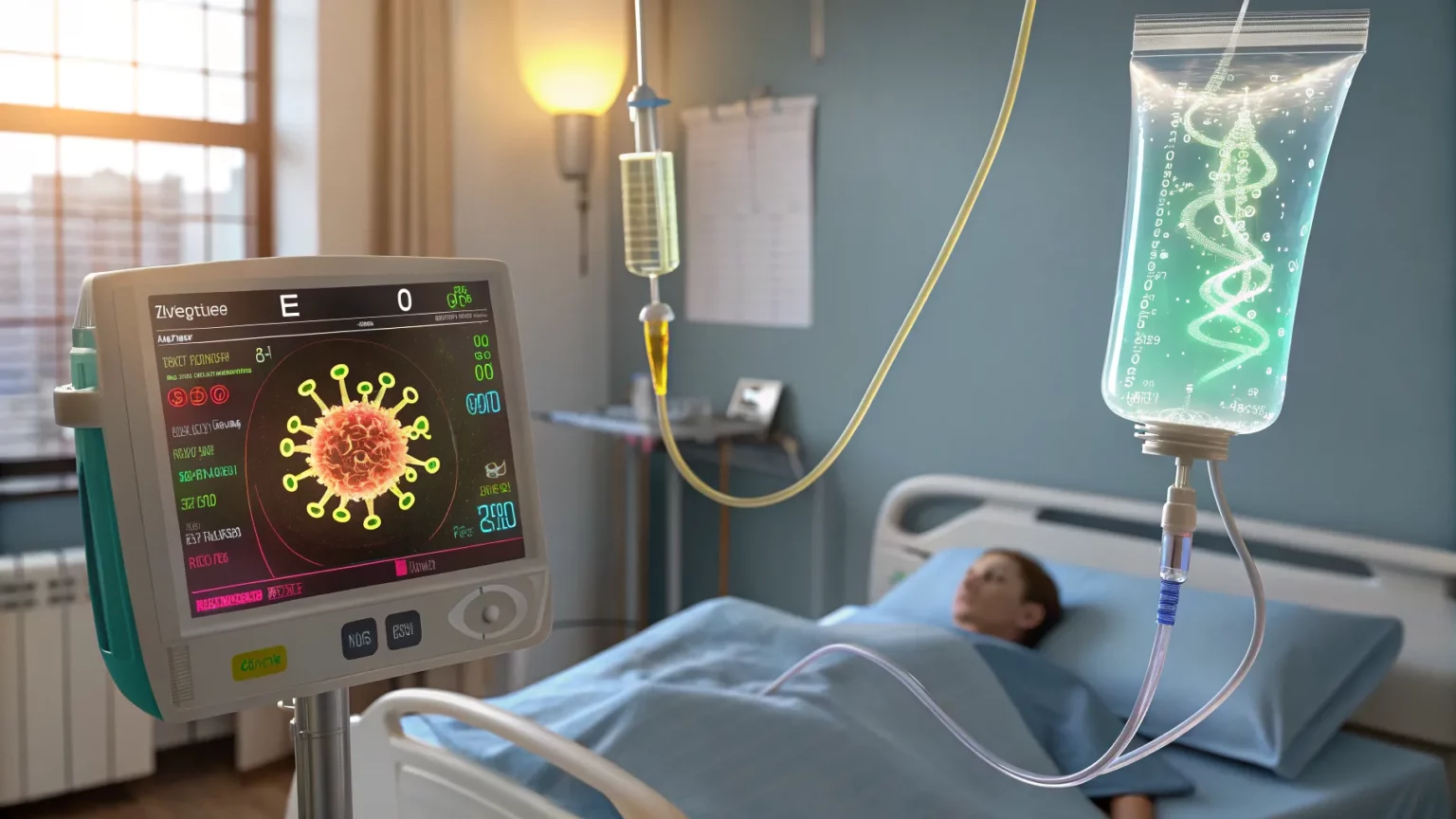
A new fluorescent sensing method promises to spot E. coli in urine bags before symptoms escalate, offering hospitals a faster way to prevent catheter-associated infections. Developers say the approach enables real-time detection in catheter drainage systems, a setting where delays can turn minor infections into severe illness.
The announcement highlights a potential shift in how urinary tract infections are identified in patients with indwelling catheters. Today, clinicians often wait 24 to 48 hours for urine culture results. Early clues from an on-bag indicator could help guide care sooner and cut unnecessary antibiotics.
“Novel fluorescent technology targets urinary tract infections by enabling early, real-time detection of E. coli bacteria in catheter bags.”
Why Early Detection Matters
Urinary tract infections are among the most common infections in healthcare settings. Patients with urinary catheters face higher risk because bacteria can enter along the catheter surface or grow in stagnant urine. E. coli is a leading culprit, and it can trigger fever, pain, and in some cases, sepsis.
Standard practice depends on clinical signs and lab testing. Yet symptoms in catheterized patients are often vague. Cloudy urine or odor is not specific. Cultures provide the most reliable answer, but the wait limits rapid response. A tool that flags E. coli activity in real time could help staff triage, isolate true infections, and check the spread of resistant strains.
How the Fluorescent Approach Could Work
The technology focuses on the urine bag rather than the patient’s body, avoiding invasive sampling. Fluorescent signals can be tuned to react to markers linked with E. coli presence or growth. When those markers rise, the signal changes, alerting staff.
The concept aims to fit into routine care without extra steps. If nurses can see a simple color shift or a readout on the bag, they can call a clinician, confirm with a targeted test, and act sooner. That could mean earlier hydration, catheter replacement, or prompt antibiotics when truly needed.
- Real-time signal inside the urine bag
- Non-invasive and compatible with existing drainage systems
- Potential to reduce unnecessary lab tests and antibiotics
Clinical and Operational Impact
Faster detection could change infection control on busy wards. Hospitals track catheter-associated urinary tract infections as a quality metric. Earlier warnings may lower infection counts, shorten stays, and cut costs tied to sepsis care.
Antibiotic stewardship teams may also benefit. Many catheterized patients receive broad antibiotics “just in case” while waiting for results. A bag-based signal linked to E. coli could encourage precise ordering of cultures and narrower therapy, limiting collateral harm to the microbiome and slowing resistance.



Still, accuracy will be central. False positives could trigger over-treatment. False negatives could delay care. Validation in varied clinical settings—intensive care units, long-term care, and post-surgical floors—will be needed to prove reliability.
What Comes Next
Before widespread use, the system will need regulatory clearance, manufacturing scale-up, and compatibility testing with different catheter and bag designs. Training for nurses and infection prevention teams will also be important so early signals translate into clear actions.
Researchers will likely compare the fluorescent readings with standard cultures across large patient groups. They may test performance with other pathogens that cause urinary infections, such as Klebsiella or Enterococcus, and assess how urine chemistry, medications, or biofilm formation affect the signal.
Broader Outlook
Healthcare systems are looking for tools that improve outcomes without adding complexity. A visible, fast indicator on a device already used at the bedside fits that goal. If studies confirm accuracy and cost-effectiveness, hospitals could integrate the method into catheter care bundles, pairing it with timely removal and aseptic handling.
The idea is simple: spot E. coli early, act sooner, and prevent a small problem from becoming a severe one. The next milestones to watch include peer-reviewed trial data, adoption by pilot hospitals, and whether insurers recognize the value through coverage or incentives.
For now, the promise is clear. Real-time signals from the urine bag could help caregivers make faster, smarter decisions, protect patients at risk, and ease the strain of catheter-linked infections on the health system.