




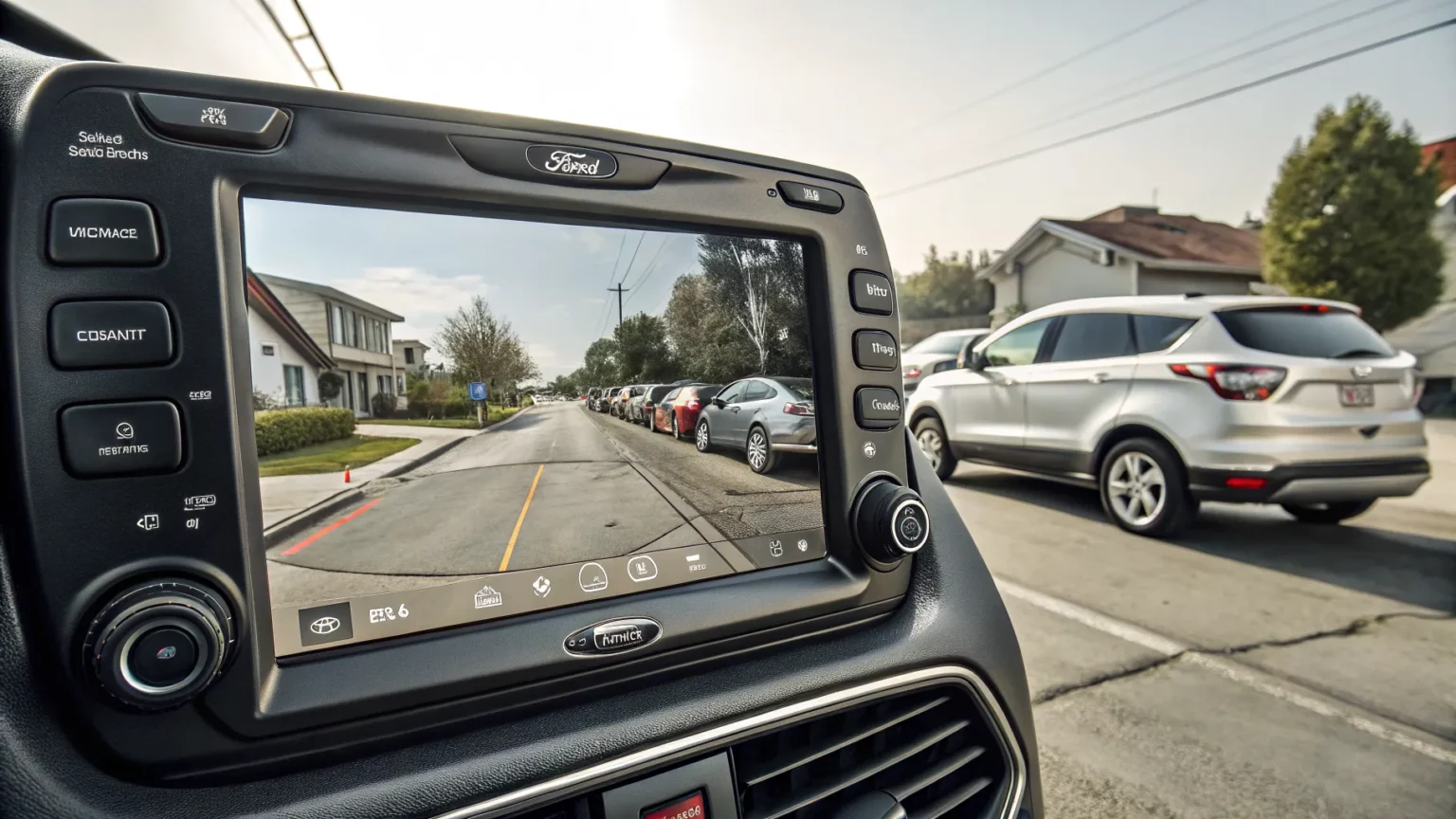
Ford has announced a recall affecting about 1.74 million vehicles in the United States due to software problems that can cause rearview camera images to fail. The action covers owners of popular models, including the Bronco, Edge, and Escape, who may lose the on-screen image needed while reversing. The company is moving to fix the issue to meet federal safety rules and address consumer concerns.
The recall matters because federal law requires a working rear visibility system in new vehicles. A blank or frozen image can raise the risk of back-over crashes. Ford has not released full details on model years or repair timelines, but the company says software is the likely cause and a remedy will be provided at no cost to owners.
What Ford Has Said
“Ford is recalling 1.74 million vehicles over software issues causing rearview display failures.”
“Bronco, Edge, Escape owners affected by display problems.”
These statements signal a large, multi-model campaign focused on the display systems that feed the rear camera view. While mechanical parts are not at issue, the failure still affects a key safety feature that drivers rely on during low-speed maneuvers.
Safety Risks and Rules
Rear visibility is covered under Federal Motor Vehicle Safety Standard No. 111. It requires a clear, immediate image when the vehicle is in reverse. If the display fails to show the camera view, the system does not meet the rule. Even if mirrors work, many drivers depend on the screen for blind-spot checks near the bumper, where children, pets, or objects can be hard to see.
Research shows that backup cameras reduce back-over crashes and injuries. When these systems go dark, the safety benefit disappears. Drivers may also be confused if the screen works one moment and fails the next, which can worsen risk.
Who Is Affected
Ford highlights three nameplates: Bronco, Edge, and Escape. These are among the company’s top sellers, which explains the large number of vehicles in the recall. Other trims or related models could be involved if they share the same display software, though Ford’s statements focus on these three.
Owners may notice a black screen, a frozen image, or error messages when shifting into reverse. In some cases, the display may reboot or work only after cycling the ignition. Dealers are expected to apply a software update once Ford finalizes the remedy.
What Owners Should Do Now
- Check your vehicle’s status using the VIN on Ford’s recall website or the NHTSA recall tool.
- Watch for a mailed notice from Ford with repair instructions.
- Schedule a dealer visit for a free software update once parts or code are available.
- Until repaired, use mirrors and turn to look behind the vehicle while reversing.
Context: A Wider Pattern of Tech Faults
Automakers across the industry have issued recalls for camera and infotainment glitches in recent years. As screens and software handle more functions, failures can affect safety systems that once relied on separate hardware. Over-the-air updates can help, but many fixes still require dealer visits to confirm a complete repair.



Ford has faced prior camera and display issues on some models in the past decade. These cases often involve corrupted files, faulty modules, or laggy boot times. While the latest action focuses on software, the impact is significant because it spans high-volume crossovers and SUVs.
What To Watch Next
Key questions remain. Owners will look for clarity on exact model years, repair timing, and whether updates can be installed remotely. Federal regulators may also post recall documents that explain the root cause, the failure rate, and testing results. Dealers will need guidance on diagnosing screens that intermittently fail so customers do not make repeated trips.
The recall shows how a small line of code can affect a safety-critical feature. As vehicles add features through software, companies must test more cases and fail-safes. Customers, for their part, will expect quick patches and clear communication when a safety system stops working.
Ford’s move to recall 1.74 million vehicles is a major step to restore compliance and driver confidence. The fix should bring rearview systems back to normal use. Owners should monitor recall notices, book repairs promptly, and use extra caution while reversing until the software is updated.