



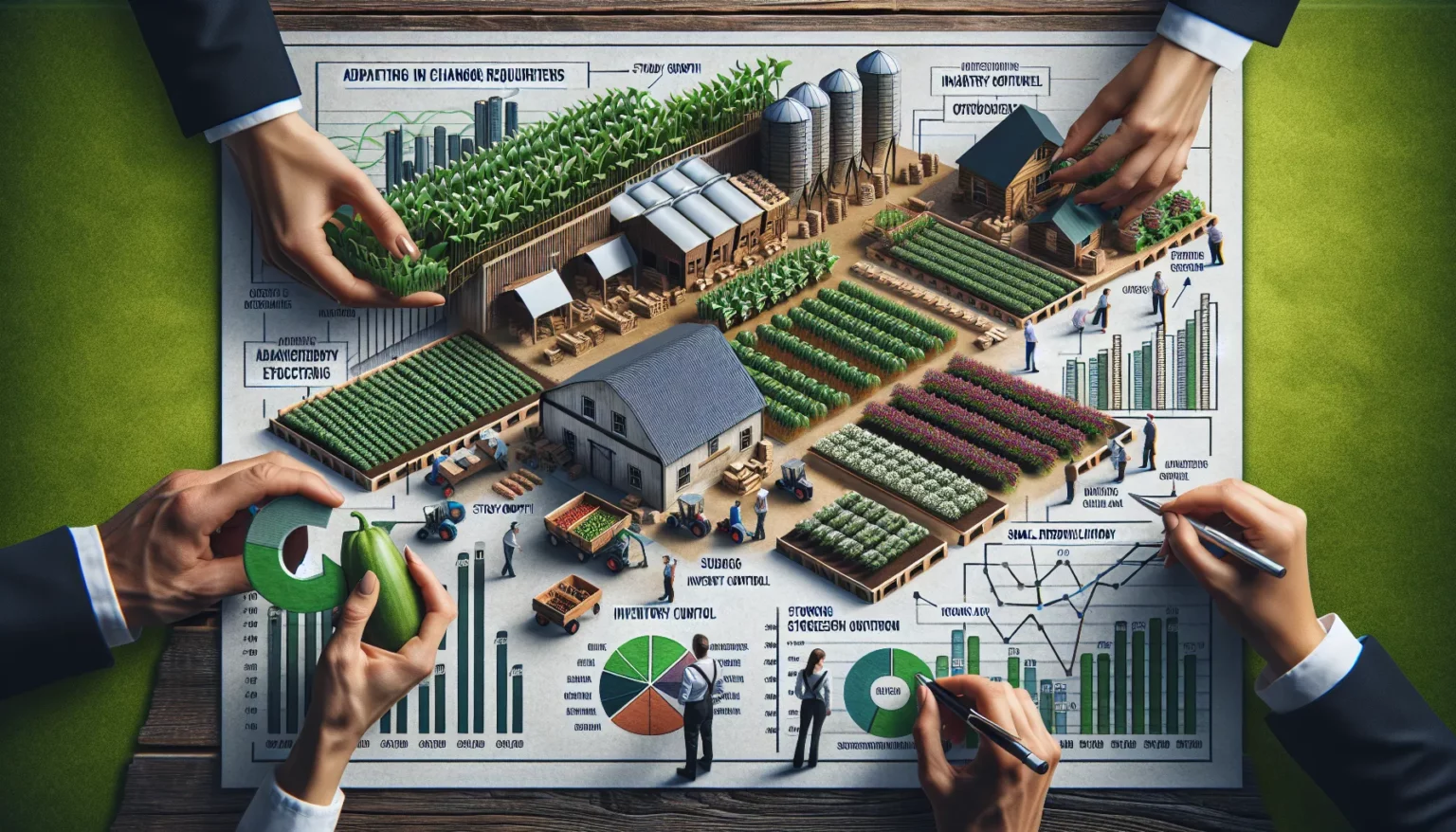
Freedom Farms owner Dana Cavalea outlined how his operation is scaling up and managing stock in a national TV interview, offering a window into how small and mid-size farms are adapting to shifting demand. Speaking on Fox Business’ Varney & Co., he described a “MAHA-friendly” approach and explained how inventory discipline supports steady growth. The discussion centered on what to grow, how much to store, and how to meet customer needs without overextending.
The broader story is about a farm trying to grow carefully while keeping quality and compliance in focus. Many producers face higher costs, erratic weather, and uneven demand. Cavalea’s comments suggest a push to balance supply planning with new sales channels, all while staying within standards tied to MAHA-friendly practices.
Background: A Tightrope Between Supply and Demand
Independent farms often operate on thin margins. They must plan months ahead, yet adapt to fast-changing orders. Inventory mistakes can be expensive, whether it is crops that sit too long or shortages during peak periods. Careful forecasting, cold storage, and staggered planting help reduce waste and protect cash flow.
In recent years, consumer interest in local and traceable food has risen. That has helped farms that can promise freshness and clear sourcing. At the same time, costs for labor, feed, fertilizer, packaging, and transport have climbed. Producers who dial in the right product mix and timing can keep shelves stocked without tying up capital in slow-moving items.
Inventory Strategy: Grow What Sells, Store What Keeps
Cavalea emphasized inventory discipline as the core of his plan. For perishable goods, he implied a tighter harvest-to-shelf window and a focus on items that move quickly. For products with a longer shelf life, the farm can build a buffer to weather swings in demand.
That kind of planning often includes simple tools: weekly sell-through checks, reorder points for packaged items, and small test runs for new products. It also relies on feedback from retail partners and direct customers to refine the crop plan and product lineup.
- Match production to known demand first.
- Use small pilots for new items before scaling.
- Maintain a safety stock only for goods that store well.
What “MAHA-Friendly” Means for Growth
While details were limited, Cavalea framed his farm as MAHA-friendly, signaling attention to standards or practices associated with that label. For a growing operation, that can shape everything from seed selection and inputs to processing, recordkeeping, and labeling.
Compliance can open doors to retailers and customers who want assurance on how food is produced. It can also raise costs if audits, documentation, or specialized supplies are required. Farms that plan growth with these rules in mind can avoid rework and meet buyer expectations from the start.



Market Forces: Price, Access, and Trust
Cavalea’s comments fit a broader pattern: shoppers want quality and consistency at a fair price. Farms that can deliver steady supply win shelf space and repeat buyers. Those that miss forecasts risk out-of-stocks or markdowns that erode margins.
Direct-to-consumer channels can help smooth demand volatility. Farm stands, subscription boxes, and online preorders give clearer signals on what buyers want week to week. Wholesale partners, meanwhile, value predictability and paperwork that proves compliance.
Growth Outlook and Operational Risks
Scaling a farm introduces risks. Weather can disrupt planting schedules. Transportation delays can spoil freshness. Input costs can shift mid-season. The answer, as Cavalea suggested, is to grow carefully and keep inventory aligned with real demand rather than guesses.
Investment in basic cold storage, simple forecasting, and staff training often delivers steady gains. Partnerships with local distributors can improve reach without overbuilding internal logistics. Clear labeling and traceability support both customer trust and compliance.
Why This Matters Now
Food supply chains remain under pressure from costs and climate. Farms that plan conservatively and maintain high standards give retailers and consumers more confidence. Cavalea’s approach highlights how operational discipline and compliance can support steady expansion.
For Freedom Farms, the next steps likely include testing new products in smaller batches, refining forecasts with sales data, and expanding in stages tied to proven demand. Buyers will watch fill rates, quality, and labeling. If the farm maintains those metrics while scaling, it can grow without sacrificing trust.
The takeaway is straightforward: measured growth, clear standards, and tight inventory control can help farms compete in a market that rewards consistency. The coming seasons will show whether that approach can hold up under variable weather and shifting costs. If it does, expect more producers to follow a similar path—grow what sells, prove how it is made, and keep stock moving.