




As sales soften at fashion houses and perfumes groups, attention in France is turning to steadier industrial names for signs of resilience. Investors and executives describe a corporate mood marked by caution, as political jitters, slower global demand, and shifting consumer habits squeeze the country’s most famous brands.
The search for stability is not happening on Paris’s shopping streets. It is playing out in factories, workshops, and software labs from Lyon to Toulouse. The shift matters because luxury once carried the market. Now, quieter sectors are being asked to do more of the lifting.
“To find solace from France’s corporate malaise, look away from the glamorous.”
Luxury’s Cool-Down Reveals a Deeper Strain
High-end labels helped power France’s market through much of the past decade. That tide has eased. Aspirational shoppers have scaled back. Chinese demand has been uneven. Tourist spending has not fully closed the gap left by weaker domestic trends.
A string of profit warnings and cautionary outlooks from fashion groups over the past year signaled that the boom cycle has matured. Executives cite a tougher pricing environment and a need to invest more in stores and marketing to maintain share. The result is slower growth, thinner margins in some lines, and less room for error.
The broader effect is psychological. When marquee names wobble, confidence across the market can fade. Suppliers, logistics firms, and real estate operators tied to retail feel that chill first.
Strength in Quieter Corners of the Market
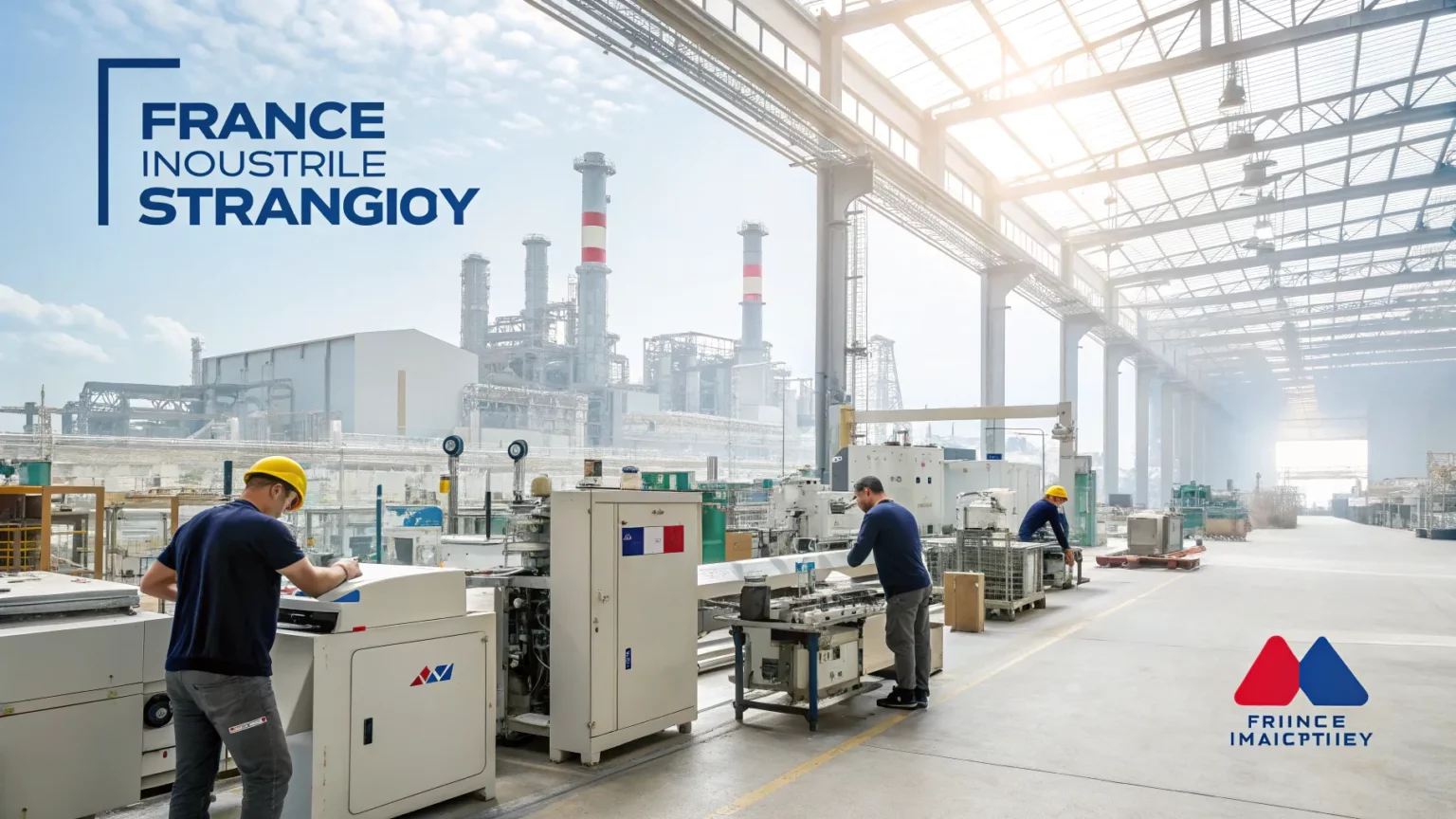
The drag from luxury is forcing a fresh look at companies that rarely make front-page news. These groups benefit from structural spending on energy, transportation, and digital tools, and they often carry order backlogs that smooth earnings.
- Electrification and automation: Power equipment and building-efficiency firms ride demand for energy savings and grid upgrades.
- Aerospace and defense: Engine makers, avionics suppliers, and maintenance providers see steady orders as airlines refresh fleets and governments raise budgets.
- Software and engineering: Industrial design and simulation tools gain as manufacturers digitize planning and production.
- Healthcare and diagnostics: Drugmakers and device suppliers focus on steady pipelines and cost controls.
These companies lack the shine of runway brands, but their cash flows can be steadier through the cycle. Many pay reliable dividends and guide cautiously, which helps during periods of market stress.
Policy, Politics, and the Cost of Money
France’s policy backdrop has added noise. Budget debates, shifting tax priorities, and election surprises have moved bond spreads and equities. For finance chiefs, that means refinancing plans face more scrutiny and timelines are tighter.



Interest rates remain a swing factor. Easing by the European Central Bank could lift construction and capital investment, helping makers of electrical gear and industrial software. If borrowing costs stay higher for longer, firms with strong balance sheets and long-dated contracts will hold an edge.
Trade tensions and export controls also complicate planning. Luxury depends on consumer sentiment in the United States and China. Industrial groups track airline traffic, defense procurement, and energy policy. The picture is mixed, but it favors businesses tied to regulated infrastructure and multi-year programs.
What the Shift Means for Jobs and Growth
A rotation into industrials and energy-adjacent firms could support skilled hiring in engineering, maintenance, and digital roles. Training programs in automation and aerospace may see more demand. Regions outside Paris, already home to factories and research hubs, stand to benefit.
For small and mid-sized suppliers, the outlook depends on access to credit and stable orders. Payment terms and procurement practices will matter as much as headline demand. If large buyers keep schedules firm, the supply chain can hold up even as luxury trims inventories.
Outlook: Caution With Selective Optimism
The case for France now rests on balance. Luxury is not out, but its leadership is no longer a given. Investors are weighing steadier earnings against slower top-line growth.
Key signals in the months ahead include order intake at aerospace and power-equipment firms, inventory trends in retail, and the path of European rates. Public investment plans for energy and transport will be another guide.
France’s market has long leaned on fame and fashion. The next leg may be built on wires, turbines, engines, and code. That shift is less eye-catching, but it could prove more durable.