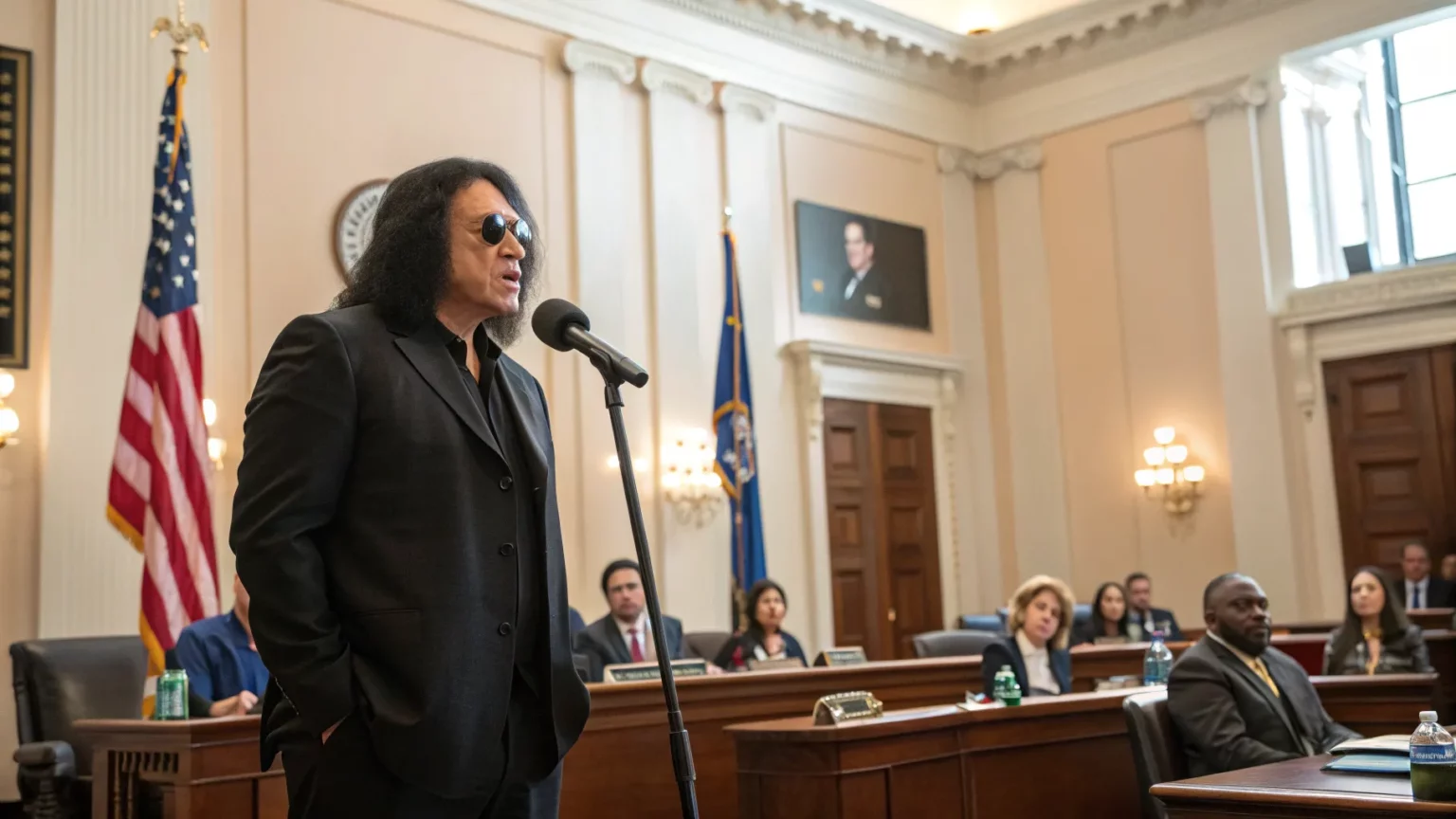
Conservative advocacy groups are lining up behind the American Music Fairness Act as rock icon Gene Simmons prepares to testify before the Senate on how AM/FM radio pays recording artists. The move puts fresh pressure on lawmakers weighing whether to require terrestrial broadcasters to pay performers when their songs are aired, a change that could reshape the economics of radio and recorded music in the United States.
The hearing comes amid a years-long fight over who should be paid when a hit song spins on traditional radio. Supporters say artists and session musicians deserve compensation equal to what digital platforms already pay. Broadcasters warn a new mandate would burden local stations and reduce community service.
What the Bill Would Do
The American Music Fairness Act, reintroduced in recent sessions of Congress, would create a performance royalty for recordings played on terrestrial radio. Today, songwriters and publishers receive royalties for broadcast airplay, but performers and labels do not. The bill seeks to align radio with digital services, which pay performers through a system largely administered by SoundExchange.
Past versions of the proposal included a low-cost license for very small and community stations. Under those drafts, qualifying stations could pay a modest annual fee, while larger outlets would pay market-based rates set by an independent process.
Why Simmons’ Voice Matters
Simmons, the longtime bassist of Kiss, brings a familiar face to a policy debate often confined to industry insiders. His testimony is expected to spotlight how classic tracks and newer recordings help drive radio audiences, while performers receive nothing from those plays.
“Conservative groups rally behind American Music Fairness Act as rock legend Gene Simmons prepares to testify before Senate on radio royalties for recording artists.”
Artist coalitions and unions have argued that most working musicians depend on multiple income streams to make ends meet. A broadcast royalty, they say, would support studio players and background vocalists who do not tour or sell merchandise.
Broadcasters Push Back
Radio owners, led by the National Association of Broadcasters, call the measure a new “performance tax.” They argue free airplay is valuable promotion that boosts sales, streams, and concert tickets. Many station managers warn that new fees could force cutbacks in local news, sports, and emergency coverage.
Industry groups also point to the uneven finances of local radio. Advertising has been soft in many markets, and debt loads at some chains remain high. Opponents say that new costs could hit rural and minority-owned outlets hardest, even with a small-station carveout.



How the U.S. Differs From Other Markets
The United States is one of the only major music markets where terrestrial radio does not pay a performance royalty to recording artists. In most countries, both the songwriter and the performer receive compensation when a song is aired. Supporters of the bill argue that the U.S. approach leaves American artists at a disadvantage and limits reciprocal payments from overseas.
Digital platforms already pay performers under federal law. SoundExchange has reported distributing billions of dollars to artists and labels from online and satellite radio plays since its creation, highlighting the gap between digital and broadcast treatment.
What Is at Stake for Listeners
The debate is not only about money. It could affect programming choices and the balance between national and local content. Broadcasters say higher costs could push stations toward cheaper syndicated shows or older catalogs with lower rates, narrowing playlists.
Artists counter that fair pay would not end radio’s role but modernize it. They say the bill could create new partnerships between stations and musicians, including live sessions, local showcases, and shared revenue projects.
The Political Angle
Backers see growing bipartisan interest, including among conservative groups that frame the issue as property rights and fair market pay. Opponents still hold significant sway in both chambers, aided by lawmakers wary of harming hometown stations.
- Supporters: artist coalitions, labels, unions, and some conservative organizations focused on property rights.
- Opponents: major broadcast groups and local stations concerned about new costs.
What to Watch Next
Lawmakers will weigh how rates are set, how small stations are treated, and whether any new funds reach session musicians and backing singers as promised. They may also examine whether the bill should encourage direct deals between stations and rightsholders or rely on a collective system.
Simmons’ appearance could draw public attention and add momentum. But any final deal will likely hinge on a compromise that protects small stations while creating a clear, enforceable right for performers.
The hearing signals a new phase in a long dispute. If Congress advances the bill, radio and the recording business would need to adjust contracts, reporting systems, and budgets. If it stalls, advocates will keep pressing the case that airplay should pay. Either way, listeners should expect the debate to intensify as artists, broadcasters, and lawmakers seek a path that keeps local radio strong and pays the people who make the music.