




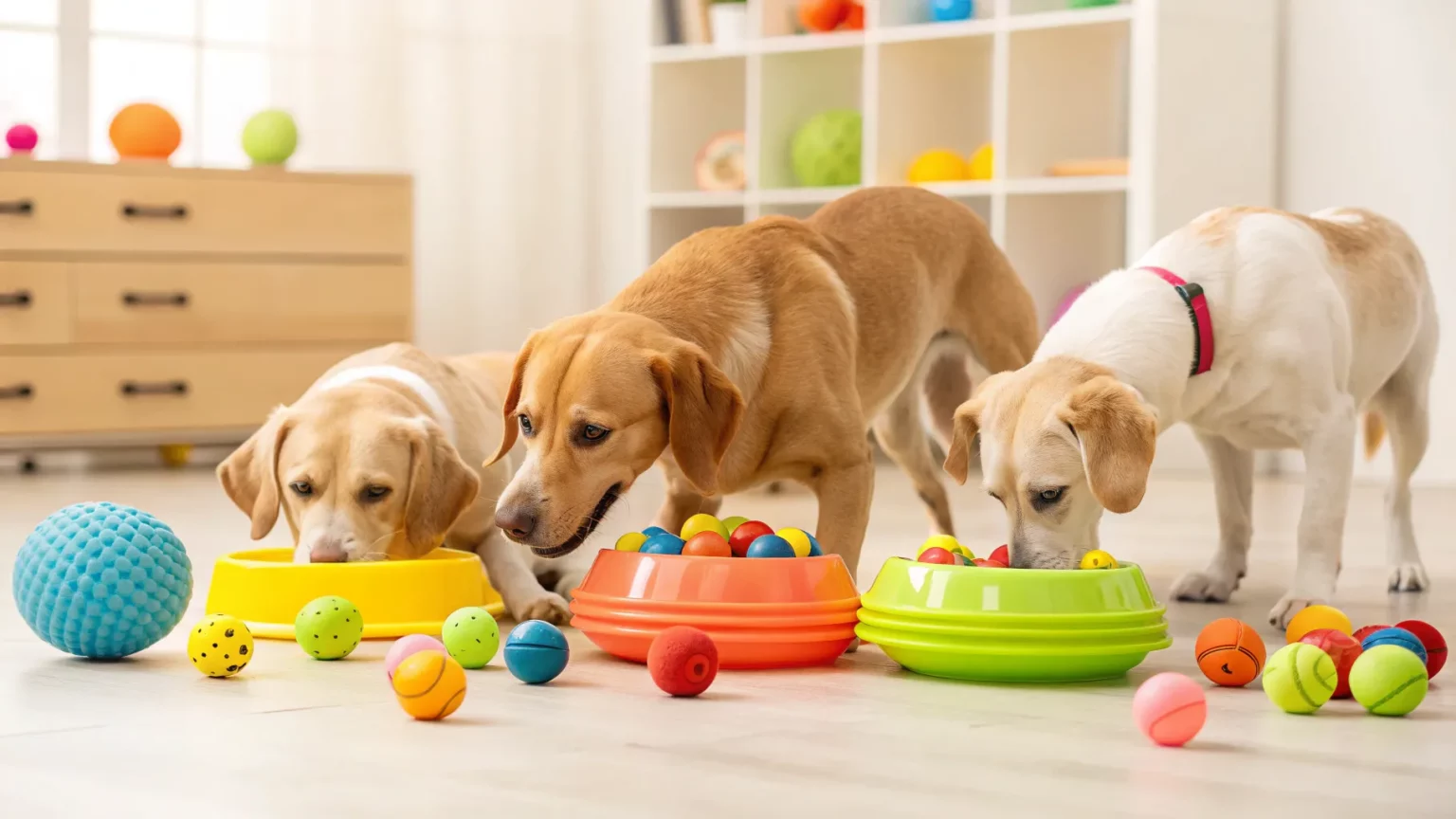
Some highly trained dogs are doing more than fetching on cue. They are sorting toys by how those toys are used, a sign that their thinking may be more complex than once believed. The observation, made during structured play sessions with dogs known for fast word learning, adds a fresh layer to ongoing research into canine intelligence.
The work centers on dogs that can link many words to specific objects. During play, several of these dogs reportedly grouped toys by function, such as tugging, fetching, or squeaking. Researchers say this behavior points to flexible problem-solving, not simple repetition.
“Among dogs known to be gifted word learners, some can also sort toys by how they are used during play time. It’s one sign of a complex thought process.”
How Dogs Started Surprising Scientists
Interest in canine language skills surged after cases like Rico, a border collie reported in 2004 to know over 200 words, and Chaser, another border collie later trained to identify more than 1,000 nouns. These dogs showed an ability to map a word to a specific object and retain that link over time.
That body of work suggested dogs can form categories and make inferences. Many pets can fetch a ball on command. Fewer can pick out the correct ball from a pile. A small group can learn new names quickly and remember them. The latest observations add a twist: some of those same dogs may be grouping objects by what those objects afford during play.
- Fast word learners link names to objects with unusual speed.
- Some are grouping toys by action, like “tug” versus “fetch.”
- Such grouping hints at flexible mental categories.
Why Sorting by Use Matters
Sorting by function suggests dogs may not rely only on surface features like color or texture. Instead, they might be recognizing what a toy is for. That is closer to the way young children group objects, such as placing a spoon with other eating tools rather than with similarly shaped items.
If dogs group toys by use, they may be forming concepts that cut across shape and size. A rope tug and a rubber tug ring look different, yet both invite a pulling game. Recognizing that link hints at an internal rule that guides choices during play.
This kind of mental grouping could also support better learning. If a dog learns that several different objects are for tugging, the dog might apply a new toy to the tug category more quickly, even before it learns the toy’s name.
What Experts Are Watching For
Animal cognition researchers often caution against over-interpretation. Gifted dogs represent a tiny slice of the pet population, and many are border collies, a breed bred for task focus and close work with humans. The sorting behavior might reflect intense training, not a general trait across dogs.



Specialists also ask how consistent the sorting is. Do dogs sort the same way when handlers are silent? Can they sort unfamiliar objects by use after a brief demonstration? Do they keep sorting rules when the play setting changes? Answers to these questions will help confirm whether the behavior reflects stable concepts or momentary cues.
There are also questions about what counts as “use.” To humans, a squeaky plush and a rubber squeaker toy belong together. To a dog, the sound may be the key link, not the idea of squeaking as a function. Careful tests can tease apart sound, texture, shape, and action.
Potential Impact on Training and Care
If future studies back these observations, trainers could design lessons that group tasks by function. That may speed up learning for dogs that excel at word mapping. Shelters and service-dog programs might also screen for interest in functional play, using it as one signal of problem-solving style.
Pet owners could apply simple steps at home. They might store fetch toys in one bin and tug toys in another, then watch whether their dog maintains the distinction. Play-based tests could offer an easy way to keep smart dogs mentally engaged.
What Comes Next
The next wave of research will likely include blind testing, new objects, and video analysis of how dogs handle toys. Scientists may compare gifted word learners with typical pets to see how wide the gap is. They may also test different breeds and ages to track how these skills develop.
For now, the key takeaway is clear. Some dogs do not just know names. They may also sort the world by what things are for. That makes playtime a window into how dogs think and learn.
As more results arrive, readers should watch for larger sample sizes, repeated trials, and strict controls. Those details will show whether sorting by use is rare, common among gifted dogs, or more widespread than expected across household pets.