


A high-profile visit and a series of quiet meetings have helped set off a new push for artificial intelligence across the Gulf. In the months since, governments and state-backed firms in the United Arab Emirates and Saudi Arabia have chased chip supply, data center capacity, and partnerships with U.S. tech leaders. The aim is clear: secure a place in the global AI race while rules and supply chains are still taking shape.
A Visit That Sparked Momentum
“President Donald Trump arrived in the Middle East last spring, making deals that would vault the Gulf into the global race for artificial intelligence.”
The claim reflects a broader pattern. Gulf states have moved fast to tie their economic plans to emerging AI tools. While details of private talks remain limited, the region’s actions since then show intent. New funds, fresh alliances, and large orders for computing power now anchor national strategies in the UAE and Saudi Arabia.
Money, Partnerships, and a Push to Scale
Saudi Arabia has explored a dedicated AI investment vehicle of about $40 billion, according to reports earlier this year from major financial outlets. Such a fund would rank among the largest single pools for AI globally. It would target chips, model development, and stakes in companies that supply the stack.
The UAE has used state-linked groups to move deals forward. In April, Microsoft said it would invest $1.5 billion in Abu Dhabi–based G42 and work together on AI infrastructure. The agreement followed months of U.S. scrutiny of tech ties between Gulf firms and Chinese suppliers. Public statements from the companies said the partnership includes steps to meet U.S. security concerns while expanding cloud and model access in the region.
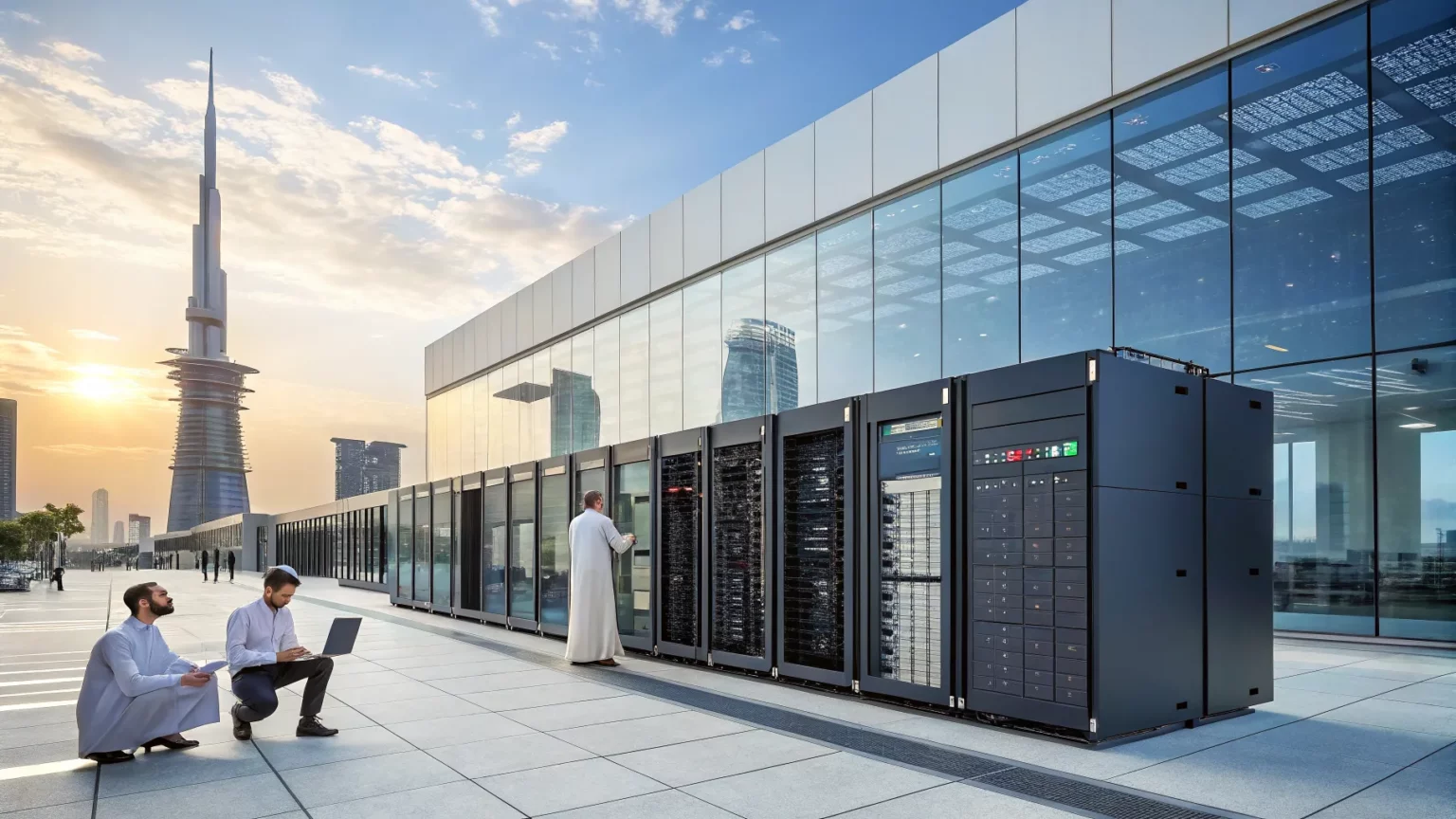
Both countries are building large data centers and energy capacity to power training and inference. Officials describe these projects as the backbone for local startups, healthcare systems, and public services that plan to use generative tools at scale.
Chips, Rules, and U.S.–China Tensions
The race for advanced chips sits at the center. Washington has tightened export rules for high-end processors used to train large models. That has pushed Middle Eastern buyers to work through approved vendors and cloud providers. It has also made compliance a core feature of recent deals.
Analysts say the Gulf’s strategy is to pair capital with trusted suppliers to keep access to the latest hardware. The approach reduces the risk that new sanctions or license limits block deliveries. It also gives U.S. firms a partner that can fund data hubs close to European, African, and South Asian markets.
Local Demand and Regional Impact
Beyond big checks, there is growing demand for tools in Arabic and South Asian languages used across the Gulf. Universities and research labs are building models trained on regional data. Health ministries are testing AI for imaging and triage. Banks are using it to spot fraud and improve customer service.



Energy use and water needs are key concerns. Data centers require steady power and cooling in a hot climate. Officials say new facilities will rely more on efficient chips, better airflow, and, where possible, low-carbon power. These steps will shape public support for long-term AI growth.
Key Moves To Watch
- Large Saudi funding plans aimed at chips and model builders.
- UAE partnerships that expand cloud capacity under U.S. rules.
- Efforts to develop Arabic-language models for public services.
- Power and cooling upgrades for data centers in desert conditions.
What Comes Next
The Gulf’s next test is execution. Capital has opened doors to chips and cloud credits, but talent and data quality will decide results. Regulators will also weigh in on privacy, competition, and safety standards for public use.
If the region can train and retain skilled workers, it could turn fast-moving deals into durable gains. Watch for new research clusters near major data hubs, more joint ventures with U.S. and European firms, and clearer rules that align with export controls. The stakes are high: the winners will set terms for how AI is built and used across a growing part of the global economy.