




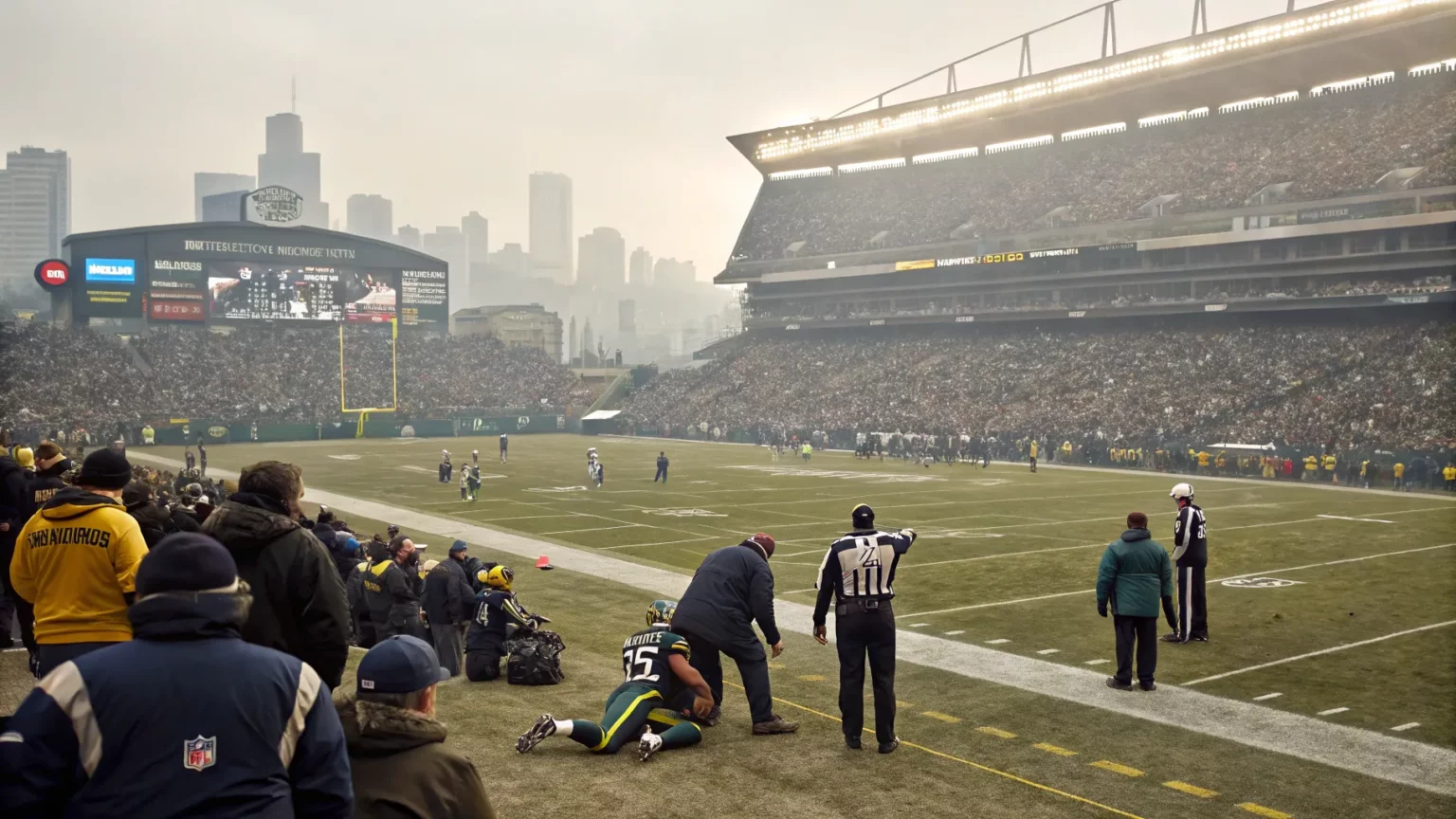
When Buffalo safety Damar Hamlin collapsed on live television in January 2023, stadium noise dropped to a hush that echoed across the country. The scene was raw and frightening. Medical staff rushed in. Players wept. Millions watched, frozen. The moment forced a direct look at the danger built into pro football and raised a hard question: do viewers grow less sensitive each time the sport’s risks surface so publicly?
Hamlin’s cardiac arrest during a Monday night game in Cincinnati stunned fans and put player safety back at center stage. The league stopped the game. Broadcasters pulled away from replays. Teammates formed a human wall. His recovery became a national story. Yet as schedules resumed and highlights returned, the regular beat of the season took over. That shift—swift, orderly, familiar—sparked worry that the shock would fade and the warnings would blend into background noise.
A Flashpoint in a Violent Sport
Football is a collision sport. Players accept risk. Fans know hits come fast and often. But some events pierce the routine. Hamlin’s collapse joined a short list of moments that push the public to pause. Past incidents, from severe head injuries to spinal trauma, have prompted reforms, debate, and reflection.
Over the last decade, the NFL has moved kickoffs, stiffened rules on head contact, and increased medical checks. Independent spotters pull players for evaluation. New helmets arrive each season. Data is tracked and shared. Even with changes, serious injuries still occur. The reality on the field has not changed: speed plus mass equals force.
Why Shock Fades So Fast
Media cycles move quickly. A dramatic event can dominate one week and slip by the next. Routine wins. Fans turn to fantasy lineups and playoff races. Broadcasters cut highlight reels that favor spectacular catches and open-field sprints. The ugliest plays surface, then sink.
Psychologists call it normalization. Repeated exposure can dull the edge of fear. The human mind adjusts to recurring stress by filing it under “expected.” In football, that can mean the rare horror gets absorbed into a steady stream of tough hits and medical timeouts.
- Weekly games create a rhythm that encourages quick resets.
- Broadcast packaging focuses on triumph, not trauma.
- Fans and players rely on routine to keep going.
The Cost of Numbness
Desensitization can weaken the sense of urgency that drives safety improvements. If shock becomes shrug, pressure on rule-makers and teams eases. That risks losing the gains made since high-profile injuries first pushed the league to act. It also puts more weight on players to self-advocate, which is hard mid-season.
There is another risk: viewing violence as entertainment without the full moral weight. The game can be both breathtaking and brutal. It is fair to cheer big plays. It is also fair to feel uneasy. That tension should not vanish after the next kickoff.


What the League and Players Can Do
The NFL can lean on transparency and consistency. Clear reporting, independent oversight, and swift changes when patterns emerge signal that safety is not a slogan. Teams can treat rest and recovery as performance tools, not luxuries. Coaches can support players who speak up about symptoms.
Fans have power, too. They shape incentives. They reward honest coverage and safe play with attention. They can accept that a slower return from injury is not weakness. It is smart.
The Road Since the Scare
Hamlin’s comeback was remarkable for its speed and spirit. His presence on the sideline, and later on the field, offered proof that a crisis can have a hopeful second act. It also shows why people love the sport. Courage, teamwork, and care were on display that night and in the months after.
But recovery stories should not erase the lesson. The hit that stops a game is rare. The smaller hits are not. They add up. Protecting players means treating both as serious.
What to Watch Next
Expect continued tweaks to kickoff rules, targeting standards, and concussion protocols. Watch for how networks cover injuries in real time. Language matters. So do replays and tone. Equipment advances will continue, but no helmet solves physics entirely.
The next crisis will test whether lessons stick. Will the game pause long enough for medicine to do its work? Will fans accept an outcome that values health over drama? Those choices shape the sport as much as any scheme or star.
Hamlin’s collapse forced a hard look at what people watch each weekend. The lasting test is whether that look changes habits. If vigilance holds, the sport can keep its thrills while trimming its worst risks. If not, shock will fade, and the cycle will repeat. The wise bet is on paying attention.