




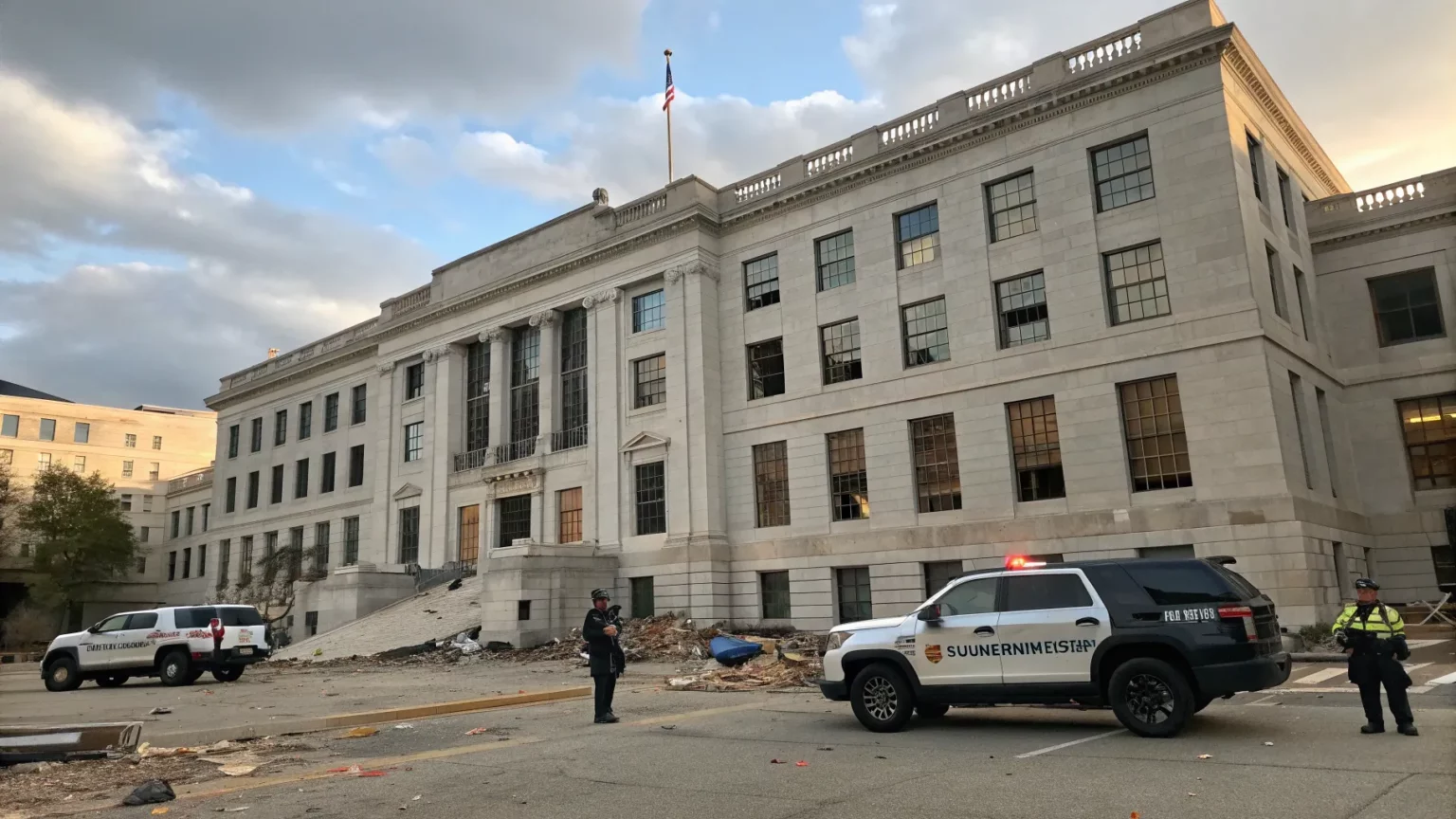
An explosion early Saturday at Harvard Medical School is under investigation after officials said the blast appeared intentional. No injuries were reported, but the incident has drawn a swift response from law enforcement and campus leaders seeking to determine what happened and why.
Authorities described the event as an apparent intentional act and said investigators were working to piece together the sequence of events. The location remained secure as teams assessed the area. Classes were not in session at the time of the blast, which helped limit risk to students, staff, and visitors.
What Authorities Are Saying
Officials have released few details about the device, timing, or possible motive. Their early comments stressed caution while the inquiry progresses.
The explosion appears to have been intentional, but no one was injured, authorities said.
Investigators are expected to examine security footage, witness accounts, and physical evidence from the site. They will also review recent calls for service and reports of suspicious activity in the area.
Campus Safety and Immediate Response
Harvard Medical School maintains numerous safety protocols for emergencies, including incident alerts, building access controls, and coordination with local and federal partners. After the blast, officials moved to secure the affected area and prevent further risk.
Universities commonly elevate patrols and visibility after such events. They also conduct building-by-building checks and confirm that essential services are functioning. Many institutions test notification systems and remind community members to report suspicious activity following a security incident.
Background and Context
Explosions on college campuses are rare, and intentional acts are rarer still. Even when there is no physical harm, these events can unsettle students and staff. They also strain operations, from lab schedules to clinical rotations.
Campus security experts note that response plans hinge on speed, coordination, and communication. The aim is to stabilize the scene, safeguard people, and preserve evidence. Investigators then turn to motive and method to assess any ongoing threat.



Medical schools present unique challenges. Research facilities often house specialized materials and sensitive equipment, and buildings may operate on extended hours. These factors make tight access control and surveillance important for day-to-day safety.
What Remains Unknown
- Who may have placed or triggered the device.
- The motive behind the blast.
- The exact location and extent of damage.
- Whether any credible threats preceded the incident.
Officials typically release these details only after confirming findings through lab analysis and interviews. Premature disclosures can compromise the investigation or lead to confusion.
Implications for the Academic Community
Even without injuries, the psychological impact can be significant. Faculty and students may seek clear communication about building access, schedule changes, and support services. Institutions often provide counseling and adjust operations to reduce stress.
Security reviews may follow, including assessments of camera coverage, entry controls, and emergency alert procedures. If investigators confirm an intentional act, leaders may consider policy changes and more frequent drills.
What Comes Next
Authorities will likely provide updates as evidence is processed and leads are evaluated. If they identify a suspect or pattern, the community could see heightened security for an extended period. If the incident is isolated, operations may normalize after safety checks and repairs.
For now, the key facts are clear: the blast is being treated as deliberate, and there were no injuries. The focus shifts to accountability and prevention, as investigators work to explain how the incident happened and ensure it does not happen again.