



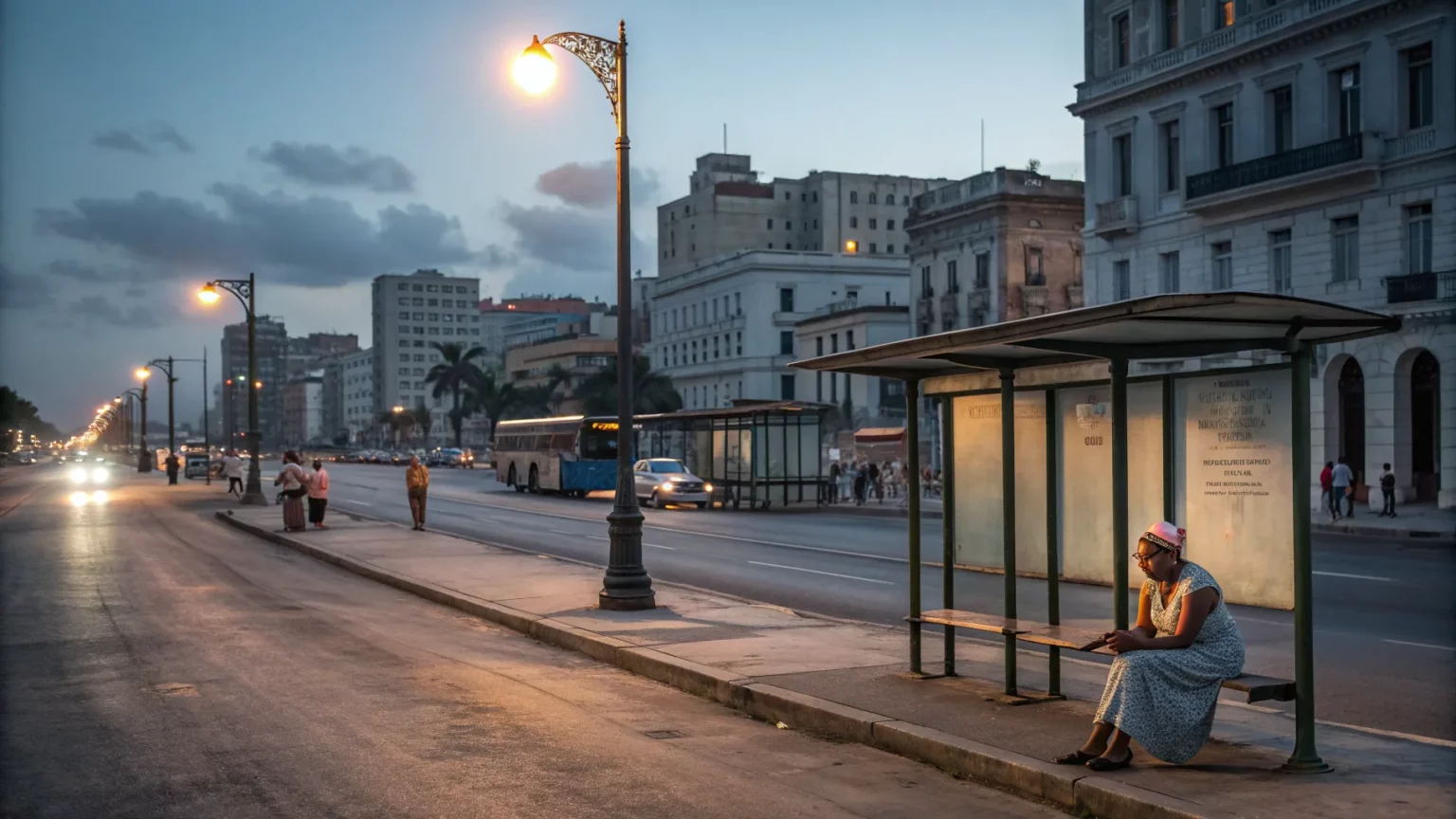
On a recent Thursday night in Havana, a 64-year-old bookseller finished work and waited for a bus that never arrived. Hours later, she gave up and slept in a nearby restaurant, a small scene that reflects a larger strain on daily life in Cuba’s capital.
The woman, identified as Solanda Oña, makes a regular trip from a wealthy seaside district to a working-class center. This time, public transport failed. Her ordeal highlights how transport delays, fuel scarcity, and a fragile economy are disrupting basic routines for residents across the city.
“After a day spent selling books, Solanda Oña typically boards a bus from a wealthy seaside district in Havana to her home in the city’s working-class center. But on Thursday night, the bus never came. The 64-year-old bookseller spent the night sleeping in a nearby restaurant instead.”
A Night Without a Bus
Oña’s route connects two parts of Havana with very different realities. One is marked by tourism and relative wealth. The other is defined by modest homes and tight budgets. When the bus failed to show, those gaps grew wider for her.
For many workers, the late-night journey is fragile. Buses run less often after dark. Delays can stretch for hours. When service breaks down, riders must choose between long walks, expensive rides, or finding a place to wait until morning.
Oña chose safety and rest. She slept in a restaurant rather than risk the streets. Her choice shows how residents adapt when essential services falter.
Strains on Public Transport
Havana’s public buses are a lifeline for workers, students, and older residents. They are also under strain. Fuel shortages have led to reduced schedules and long lines. Maintenance is a challenge for aging fleets. Crews face parts shortages and delays in repairs.
Drivers and dispatchers must adjust routes with little warning. Riders often wait at stops with no clear timetable. Some buses are packed to the doors. Others never come.
- Reduced frequency on key routes during peak hours.
- Irregular night service that leaves riders stranded.
- Rising costs for alternative transport like taxis.
These pressures do not fall evenly. Low-income neighborhoods feel them most. Older riders and those with health issues have fewer backup options.


Economic Pressures and Daily Life
Cuba’s economy has struggled with weak tourism, limited access to credit, and trade pressures. Energy supplies have been tight. Blackouts and fuel rationing have affected transport and basic services. The results show up in daily routines like Oña’s commute.
Workers spend more time traveling. Employers see late arrivals and missed shifts. Families juggle child care and erratic schedules. For small vendors and service workers, fewer hours mean less income.
Public frustration grows during streaks of cancellations or shortages. People adapt with informal carpools, bicycles, and walking. Yet those solutions are not always safe or practical at night.
Human Impact and Resilience
Oña’s story is not rare. Commuters carry snacks and water for long waits. Some plan their day around uncertain transport windows. Others leave before dawn to be sure they arrive on time.
Neighborhoods often step in. Cafés keep doors open for stranded riders. Neighbors share rides or a spare bed. Community networks provide a thin buffer when buses stop running.
These efforts help, but they do not replace reliable service. For older residents, like Oña, safe and predictable transport is essential. A missed bus can mean a lost night’s rest and a harder day ahead.
What to Watch Next
Any improvement in fuel supplies would likely ease bus delays. So would fresh parts for maintenance crews. Clearer public schedules could help riders plan, even when service is thin.
Community support will remain important. So will safety for those waiting late at night. Small changes, such as better lighting at stops and more night patrols, could reduce risk.
For now, commuters weigh their choices each day. Some push through longer waits. Others pay more for private rides. Many, like Oña, find an improvised refuge and try again at dawn.
Oña’s long night shows how a basic service can hold a city together. When it fails, people do what they must. The next measure of progress will be whether workers can count on a bus home.