




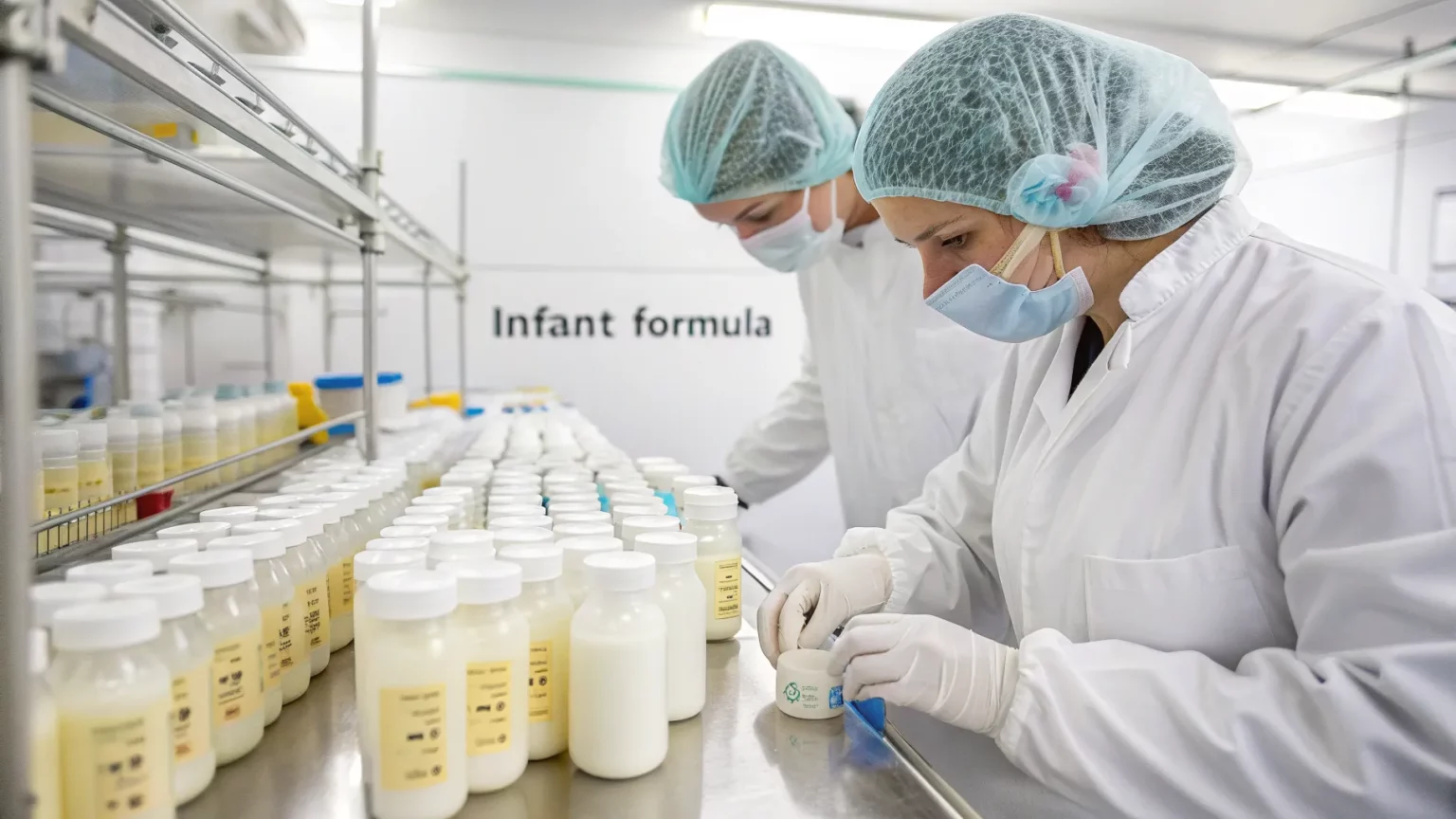
Health agencies urged caregivers to stop using two batches of ByHeart Whole Nutrition Infant Formula after an increase in reported infant botulism cases. The advisory, issued this week in the United States, is a precaution while officials review testing and case histories. Regulators said the goal is to protect infants while investigators examine any possible link.
“Health agencies asked caregivers to stop using two batches of ByHeart Whole Nutrition Infant Formula after they found an increase in cases of infant botulism.”
Understanding Infant Botulism
Infant botulism is rare but serious. It is caused by bacteria that produce a nerve toxin. Most cases occur in babies under 12 months. Doctors say early symptoms include constipation, poor feeding, weak cry, and trouble breathing in severe cases. Treatment can require hospital care and antitoxin.
Health officials remind parents that powdered formula is not sterile. That is true for every brand. Proper preparation and safe storage lower risk. Experts also advise never giving honey to infants under one year, as it can carry spores.
The CDC has reported roughly 100 infant botulism cases per year in recent years. Most are unrelated to commercial formula. Even so, any signal of rising cases triggers a rapid review.
What The Advisory Means For Families
The request to pause use of two specific batches is a cautionary step. It allows time for lab testing and case tracing. Caregivers who have ByHeart formula are being asked to check lot labels and follow agency updates.
- Stop using the two identified batches until officials provide new guidance.
- Watch for symptoms such as constipation, weak suck, or a weak cry.
- Contact a pediatrician right away if symptoms appear.
- Follow safe formula preparation and storage instructions on product labels.
Clinicians say most infants fed formula remain healthy. The advisory targets limited lots, not every ByHeart product.
Company Response and Regulatory Review
ByHeart did not immediately publish full details on testing of the two batches. Industry practice in these cases includes pulling any remaining product from sale, reviewing production records, and running microbial tests. Regulators typically audit those steps and may conduct their own sampling.
Officials have not announced a formal recall. That decision often depends on lab results, traceability, and evidence linking products to illness. Public health teams are interviewing families, reviewing feeding histories, and comparing lot codes to reported cases.



Why This Matters After Recent Formula Strains
Families have faced formula stress since the 2022 shutdown of a major plant and product recalls tied to bacterial risks. Supply has improved, but buyers remain cautious. Any safety alert can stir concern and lead to rapid shifts in purchasing.
Pediatricians say clear communication helps. Parents should rely on updates from health agencies and their doctors instead of social media rumors. Retailers may remove affected lots while keeping other stock available.
What Experts Are Watching
Specialists will track whether testing finds spores or toxin in unopened cans from the two batches. They will also review whether cases cluster by time, location, or product lot. If a link is confirmed, officials could expand actions. If not, they may narrow the advisory or lift it.
Public health teams also study feeding practices, water sources used to mix formula, and home preparation steps. That helps them pinpoint where contamination, if any, might have occurred.
Practical Guidance For Caregivers
Parents and caregivers can reduce risk with careful hygiene and mixing practices. Wash hands and clean bottles and nipples. Use safe water. Follow mixing directions. Store prepared formula as labeled and discard leftovers as directed.
Call a pediatrician if an infant shows new constipation, weak cry, poor feeding, or floppiness. Early care improves outcomes.
The advisory marks a cautious response to a rise in infant botulism cases while investigators examine the two ByHeart batches. Families should pause use of the affected lots, watch for symptoms, and wait for official updates. The next steps will hinge on lab findings and case reviews. Parents can expect more guidance from health agencies and pediatric groups in the coming days.