




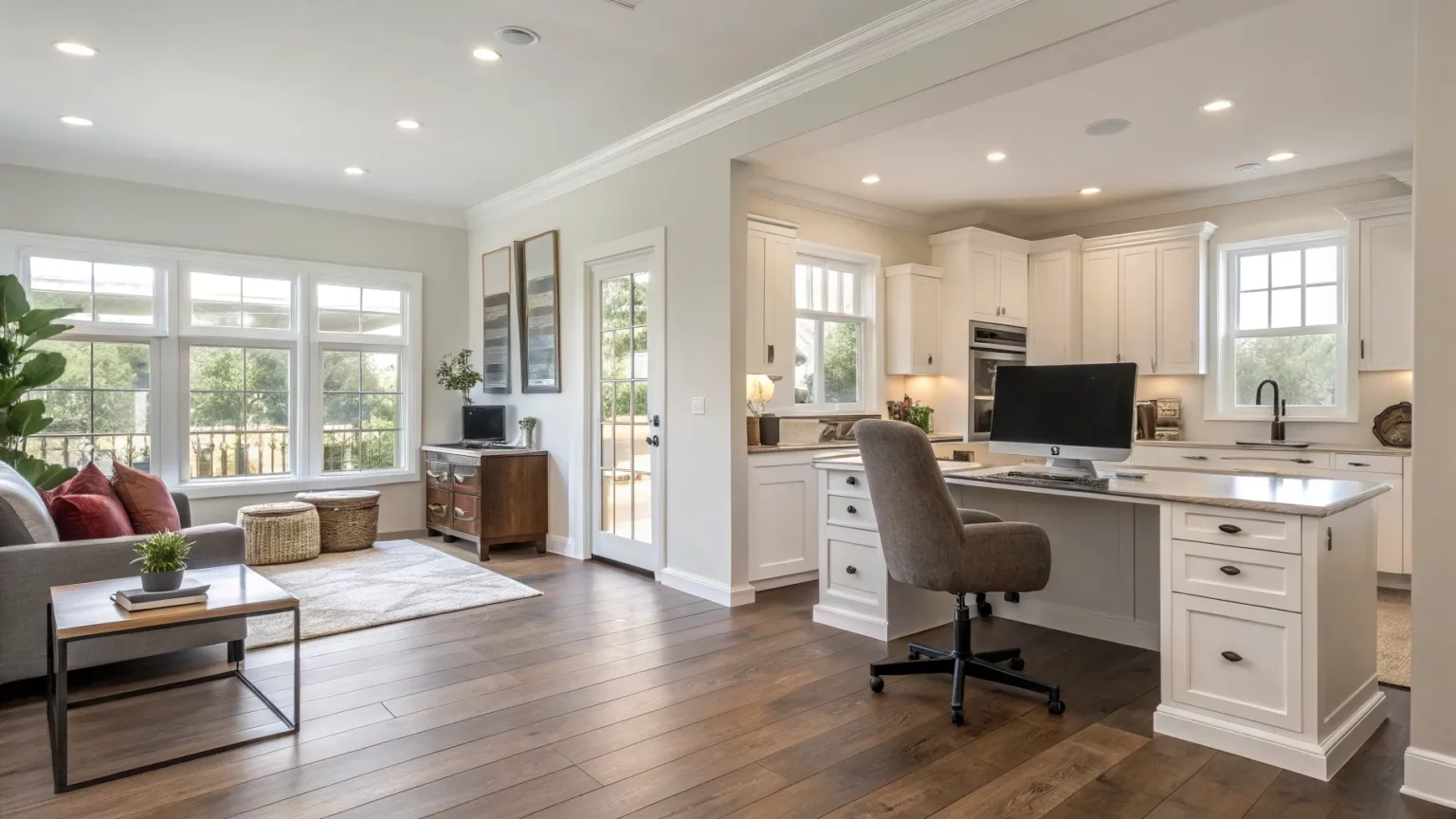
As months of indoor life drag on, many Americans are reshaping their homes, spending on office gear and tackling projects that once sat on the back burner. Consumer finance reporter Ben Moore notes that people are eager to refresh their spaces and get work-ready at home. The trend is reshaping budgets, retailers’ sales, and even local housing markets.
Why Homes Became the New Priority
Stay-at-home periods pushed work, school, and leisure into the same rooms. That strain made shortcomings obvious. Wobbly chairs, dim lighting, and dated kitchens suddenly mattered more.
“Stuck indoors,” Americans are looking to “create a change of scenery.”
Moore points out a clear shift. People are more willing to spend on upgrades that improve daily comfort and productivity.
Spending Trends Take Off
The first wave of spending went to work needs. Monitors, desks, and office chairs saw higher demand as workers tried to ease back pain and boost focus.
Office equipment purchases are “on the rise.”
Home improvement followed. DIY paint jobs, backyard projects, and small bathroom updates became weekend rituals for many households.
Many are “tackling more renovation projects than usual.”
Big-box retailers reported brisk sales in tools and materials. Contractors saw fuller calendars, with wait times stretching in some cities. In many neighborhoods, noise from power tools became a weekday soundtrack.
The Cost Question
Not every purchase makes sense for every budget. Higher-end gear and large remodels can strain savings if plans are vague or financing is costly. Moore hints at the risk of pricey buys that do not add enough value or comfort.
Supply chain hiccups and labor shortages have also pushed prices higher at times. That can turn a quick fix into a drawn-out project.



Winners, Losers, and Everyday Trade-Offs
Retailers that sell home office gear and basic materials gained ground. Local hardware stores enjoyed steadier foot traffic. On the other hand, some specialty remodelers faced delays and cancellations when costs jumped.
Homeowners weighed trade-offs. A new deck might lift quality of life now. A bathroom update might help resale later. But credit card rates can erase those gains if balances linger.
What Smart Shoppers Are Doing
- Setting a clear goal for each project and purchase.
- Pricing out materials and labor before committing.
- Comparing financing options and total interest costs.
- Mixing DIY with pro help to control expenses.
- Choosing upgrades that cut bills, like LEDs or insulation.
Data Points To Watch
Analysts track retail sales in furniture, electronics, and building materials for clues. Mortgage lenders report on cash-out refinances used to fund upgrades. Contractor backlogs hint at demand and possible price pressure ahead.
Local home values also play a role. In some areas, modest kitchen or bath updates return a solid share of costs at resale. In others, overbuilding can backfire.
Voices From The Field
Moore’s observation mirrors what contractors and retailers report on the ground. A Midwestern contractor said clients asked for better lighting and home office nooks, not just large additions. A regional retailer pointed to steady sales in ergonomic chairs and standing desks, with customers seeking comfort over flash.
What Comes Next
If remote and hybrid work stick, demand for office gear and modest remodels could stay firm. Seasonal sales may shape buying patterns, nudging shoppers to time purchases for deals. If borrowing costs fall, larger projects could return to the to-do list.
For now, the message is simple. Small, targeted upgrades can pay off in comfort and productivity. Big-ticket remodels require a hard look at budgets and timelines.
Americans may not choose how long they spend inside, but they can choose how that space treats them. With clear goals and smart planning, the home can work better, feel calmer, and hold value. Watch retail sales, contractor wait times, and borrowing rates for the next turn in this stay-at-home makeover story.