




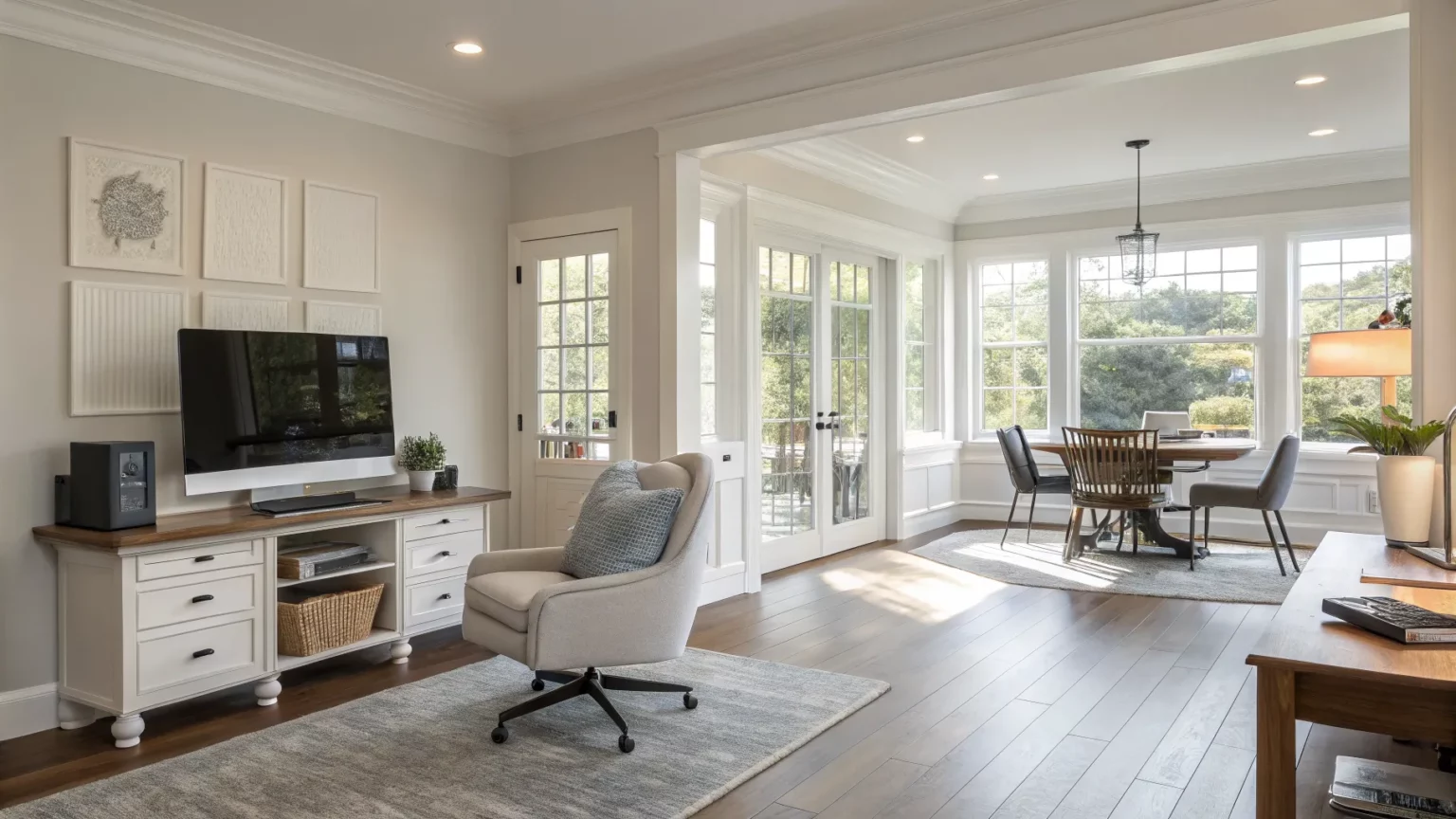
Stuck inside for months, many Americans are opening their wallets to make home life work better, from pro-grade office gear to long-postponed renovations. What began as a short-term fix has turned into a sweeping shift in household spending, with consumers trading trips and nights out for desk chairs, monitors, and fresh paint at home. The push raises questions about budgets, debt, and whether these upgrades will hold their value when routines change again.
“As many Americans face months on end stuck indoors, some are using their time (and money) to create a change of scenery or upgrade their surroundings. Office equipment purchases are on the rise, and people are tackling more renovation projects than usual. But expensive new …”
The observation, shared by personal finance writer Ben Moore of NerdWallet, matches what retailers and contractors have seen in recent months. Desks, webcams, and ergonomic chairs have become hard to find at times. Paint, lumber, and fixtures have moved briskly as families turn spare rooms into offices or carve out quiet corners for school and work. The trend reflects a practical response to daily life at home, but it also tests household budgets and patience as supply chains stretch and project costs climb.
The Home Office Goes From Makeshift to Mission-Critical
What started at kitchen tables has moved into more permanent setups. Workers trying to ease back pain and eye strain are investing in chairs with lumbar support and larger monitors. Moore notes the shift is not just about comfort. It is also about productivity and sanity during long days inside.
Shoppers have learned a few lessons the hard way. Return windows vary by retailer, assembly can be tricky, and quality differs widely at the same price point. While some households find good deals online, others face weeks-long delays as demand surges. The result: more careful comparisons and a new willingness to buy used gear or refurbished devices to cut costs.
Renovation Fever Meets Real-World Costs
Kitchen updates, bathroom fixes, and backyard projects have jumped as people spend more time where they live. Contractors report fuller calendars, and do-it-yourselfers pack hardware aisles. But building a better space can get expensive fast, especially if a quick refresh turns into plumbing, electrical, or permit work.
Homeowners who plan to sell expect returns, yet not every project pays off. Cosmetic improvements can lift a home’s feel without draining savings. Major overhauls may not recoup their cost, depending on the neighborhood and market conditions. Timelines can slip, too, as materials and skilled labor remain tight in some areas.
The Money Math: Wants, Needs, and Debt
Moore’s caution about “expensive new” gear points to a key risk: financing. Zero-interest promotions and store cards are tempting, but missed payments can trigger steep rates. Before swiping, buyers are weighing three questions: Will this purchase be used daily? Does it solve a real problem? And is there a cheaper option that does 80% of the job?
- Set a project cap and add a 10% buffer for surprises.
- Price materials first; then choose the scope to match the budget.
- Compare cash, low-rate personal loans, and promotional financing carefully.
Routine costs also creep in. A sit-stand desk may need a floor mat. New lighting can raise the electric bill. Subscriptions for software or security tools add up. Households that track these extras early avoid sticker shock later.



What Changes Might Stick
Even as offices reopen and schedules shift, some upgrades have staying power. A quiet, comfortable desk setup improves any kind of work. Energy-efficient lighting and better storage make daily life easier. Outdoor spaces tuned for small gatherings can see steady use.
Retailers have pivoted, expanding selections of ergonomic gear and compact furniture for tight spaces. Contractors have adapted bidding and scheduling to manage backlogs. And families, after months of trial and error, have a clearer sense of what they need versus what only looks nice on a feed.
Moore’s snapshot of the moment lands on a practical truth: spending should match the value a home delivers every day. For many, that means buying fewer, better items, phasing projects, and keeping an eye on resale only after comfort and function are covered.
The next few months will test whether demand cools as travel and entertainment come back, or if home improvements stay top priority. Watch prices for desks and chairs, track lead times for contractors, and expect a steadier market for midrange projects. The headline remains simple: make smart upgrades that serve daily life, and let the rest wait.