




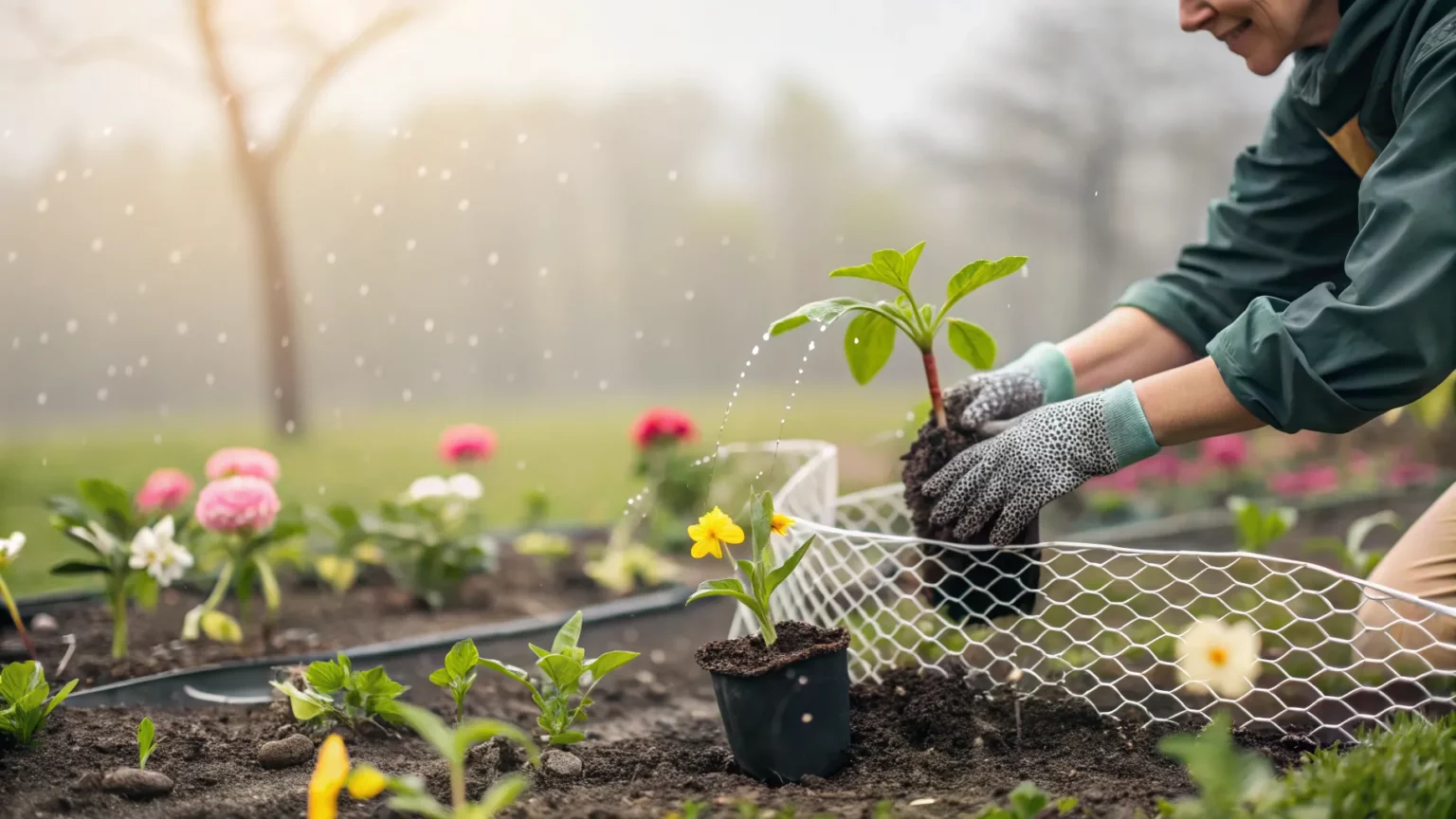
As planting season ramps up, homeowners are asking a familiar question: how to protect tender seedlings without harming the creatures that visit the yard. With spring rain, warmer nights, and a buffet of new growth, gardens turn into a hotspot for rabbits, deer, slugs, and other uninvited diners. Experts say the smartest play is prevention, patience, and a humane touch.
“Here’s what to do about these sometimes pesky garden residents.”
From suburban plots to city patios, the challenge spans regions and budgets. Extension agents and wildlife rehabilitators report a surge in calls each spring and early summer. Their advice is steady: focus on habitat, not harm, and use layered defenses that make a yard less appealing as a snack bar.
Why Wildlife Visits Your Yard
Animals follow food, water, and shelter. Newly mulched beds, irrigated lawns, and tender sprouts check every box. In drought years, yards can act like oases. In wet years, slugs and snails thrive. Urban building also pushes wildlife into tighter spaces, which puts more pressure on home gardens.
Researchers and extension programs point to another driver. Milder winters have widened the range of some insects. That means earlier hatches and longer feeding windows. Gardeners feel the pinch on both ends of the season.
What Works: Prevention First
Specialists urge a simple strategy called integrated pest management. Start with the least risky fix and move up only if needed. It saves money and reduces harm to pollinators and pets.
- Remove attractants: fallen fruit, open compost, and spilled birdseed draw trouble.
- Use barriers: hardware cloth around raised beds, row covers for greens, and copper tape for slugs.
- Plant decoys: choose hardy, less tasty plants on the perimeter to slow browsing.
- Time your watering: in the morning, so leaves dry by night and invite fewer slugs.
Scents and sprays can help, but they fade after rain and need reapplication. Motion-activated sprinklers work well on deer and raccoons, though animals can adapt. Rotation keeps them guessing. Swap deterrents every few weeks.
Humane Controls and Legal Lines
Before trapping or relocating wildlife, check local laws. Many areas limit relocation because moved animals rarely survive and can spread disease. Poison baits for rodents and snails can also harm pets, raptors, and neighborhood cats. Experts prefer snap traps in covered boxes for rodents and iron phosphate pellets for slugs, which are less risky than metaldehyde.
Fencing remains the gold standard for deer and rabbits. For deer, height matters. Seven to eight feet is strong protection. For rabbits, a two-foot fence with tight mesh and six inches buried blocks digging. For voles, a fine mesh basket around roots shields young trees and bulbs.



Gardeners trying to protect pollinators should skip broad-spectrum insecticides. Hand-picking, strong water sprays for aphids, and horticultural oils targeted at pests spare bees and butterflies. University extension guides offer crop-by-crop advice on timing and thresholds for action.
Climate Shifts And New Visitors
Warmer winters and erratic rain are changing who shows up and when. Gardeners in regions once free of certain beetles now report small outbreaks. Longer growing seasons also mean more generations of pests per year. The fix is early scouting. Check the undersides of leaves and monitor sticky traps weekly. Catching a problem at the start often prevents a full-blown surge.
Costs, Payoffs, And Patience
Fences and covers cost more upfront but pay off over years. Repellents are cheaper to start yet add up with frequent use. The sweet spot often mixes both. A modest fence plus targeted repellents can shield the most vulnerable crops and stretch a budget.
Neighbors matter, too. Coordinated efforts reduce pressure. If three yards on a block secure trash, remove fallen fruit, and protect beds, raccoons and rats move on faster. One open compost bin can undo a whole street’s good work.
What To Watch This Season
Garden centers report brisk sales of row covers and copper tape, a hint that slugs, snails, and leaf-munching insects are top of mind. Expect more interest in native plants that can handle browsing and need less water. Keep an eye on local extension alerts for pest updates and timing tips.
In short, success comes from smart habits, not harsh measures. Start with cleanup and barriers, add targeted tools if needed, and check rules before you act. The season will test every plan, but a layered approach protects plants, pets, and the wildlife that also call the yard home. Watch for early signs, swap tactics as needed, and keep the fence tight. The payoff is a garden that grows, even with a few visitors.