




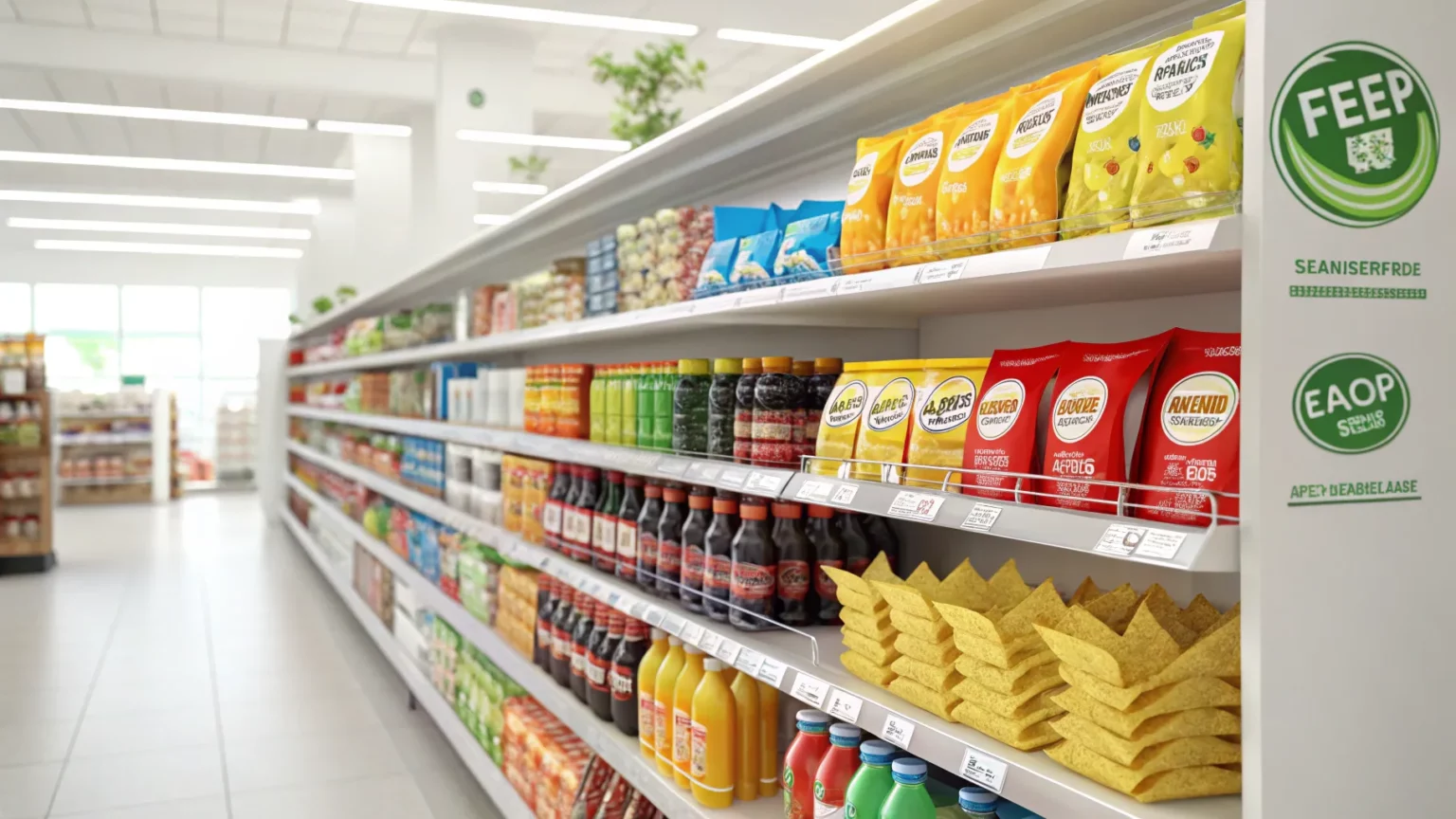
Ultraprocessed foods, once sold as convenience and value, are now under fresh scrutiny for their links to chronic disease. The issue took center stage as reporter Alice Callahan examined how these products gained cultural and commercial dominance, and why many researchers consider them a growing risk to public health.
Her exploration traces the rise of factory-made foods from postwar kitchens to global markets, and asks why the modern diet is so heavily engineered. The discussion arrives as governments, health groups, and consumers debate what to eat, what to regulate, and what to watch on labels.
“Alice Callahan, a reporter for the Well desk, explored the history of ultraprocessed foods and how they became a major threat to our health.”
From Pantry Staple to Supermarket Standard
Processed foods are not new. Canning, freezing, and pasteurization improved food safety and access for generations. But the last few decades saw a shift to products made with industrial ingredients and additives.
Researchers often use the NOVA system to describe this shift. Ultraprocessed foods typically include refined starches, added sugars, seed oils, salt, flavor enhancers, emulsifiers, and colorings. They are formulated to be shelf-stable, uniform, and highly palatable.
These products spread with aggressive marketing, low prices, and long shelf life. They met the needs of busy families and retailers. As a result, they captured large portions of grocery aisles and household budgets.
How These Foods Took Over
The growth began as food companies scaled up global supply chains. Economies of scale made packaged snacks, sweetened drinks, instant meals, and reconstituted meats cheap and predictable.
Reformulation also played a role. When consumers asked for “low-fat” or “gluten-free,” industry often swapped one ingredient for another while maintaining taste and texture with additives.
Retail strategies encouraged the shift. Endcaps, checkout displays, and promotions pushed ready-to-eat items. Convenience stores multiplied. School and workplace vending machines made constant access routine.



What the Science Suggests
Large observational studies have linked higher intake of ultraprocessed foods with weight gain, heart disease, type 2 diabetes, and some cancers. These studies do not prove cause, but the patterns have been consistent across countries.
Small randomized trials add clues. Some show that people eat more calories and gain weight when offered ultraprocessed foods ad libitum, compared with minimally processed alternatives. Researchers point to several possible drivers: speed of eating, soft textures, flavor layering, and high energy density.
Other concerns focus on additives and structure. Emulsifiers and artificial sweeteners are being studied for effects on the gut microbiome and appetite regulation. The processing itself may change how quickly foods are digested and absorbed, influencing hunger and satiety.
Industry and Policy Debates
Food makers argue that processing improves safety, reduces cost, and meets consumer preferences. They point to fortification and reformulation efforts to reduce sodium and added sugars.
Public health experts counter that the overall dietary pattern matters. A steady diet high in ultraprocessed items tends to crowd out whole foods like vegetables, legumes, nuts, fish, and whole grains. They call for clearer front-of-pack labels, limits on marketing to children, and healthier defaults in schools and hospitals.
Policymakers weigh trade-offs. Taxes on sugary drinks have gained traction in some cities. Warning labels and advertising rules are debated in legislatures and courts. Any policy choices must consider affordability, access, and cultural preferences.
What Consumers Can Watch
Shoppers hoping to cut back do not need to overhaul every habit at once. Incremental changes can make a difference over time.
- Scan ingredient lists for added sugars, emulsifiers, and flavor enhancers.
- Prioritize items with recognizable ingredients and fewer additives.
- Swap one snack or drink per day for a whole-food option.
- Plan simple meals to reduce dependence on ready-to-eat items.
What Comes Next
Callahan’s reporting comes as governments and health systems seek practical ways to lower chronic disease risk. Researchers are calling for clearer definitions, better labeling, and long-term trials to test outcomes.
Food companies face rising pressure to reformulate, improve transparency, and support healthier defaults. Consumers will see more claims at the shelf, but also more debate about which claims matter.
For now, the broad guidance is consistent: build meals around unprocessed or minimally processed foods, and treat engineered items as occasional. The next phase will test whether policy, industry shifts, and consumer habits can bend the diet curve back toward health.