




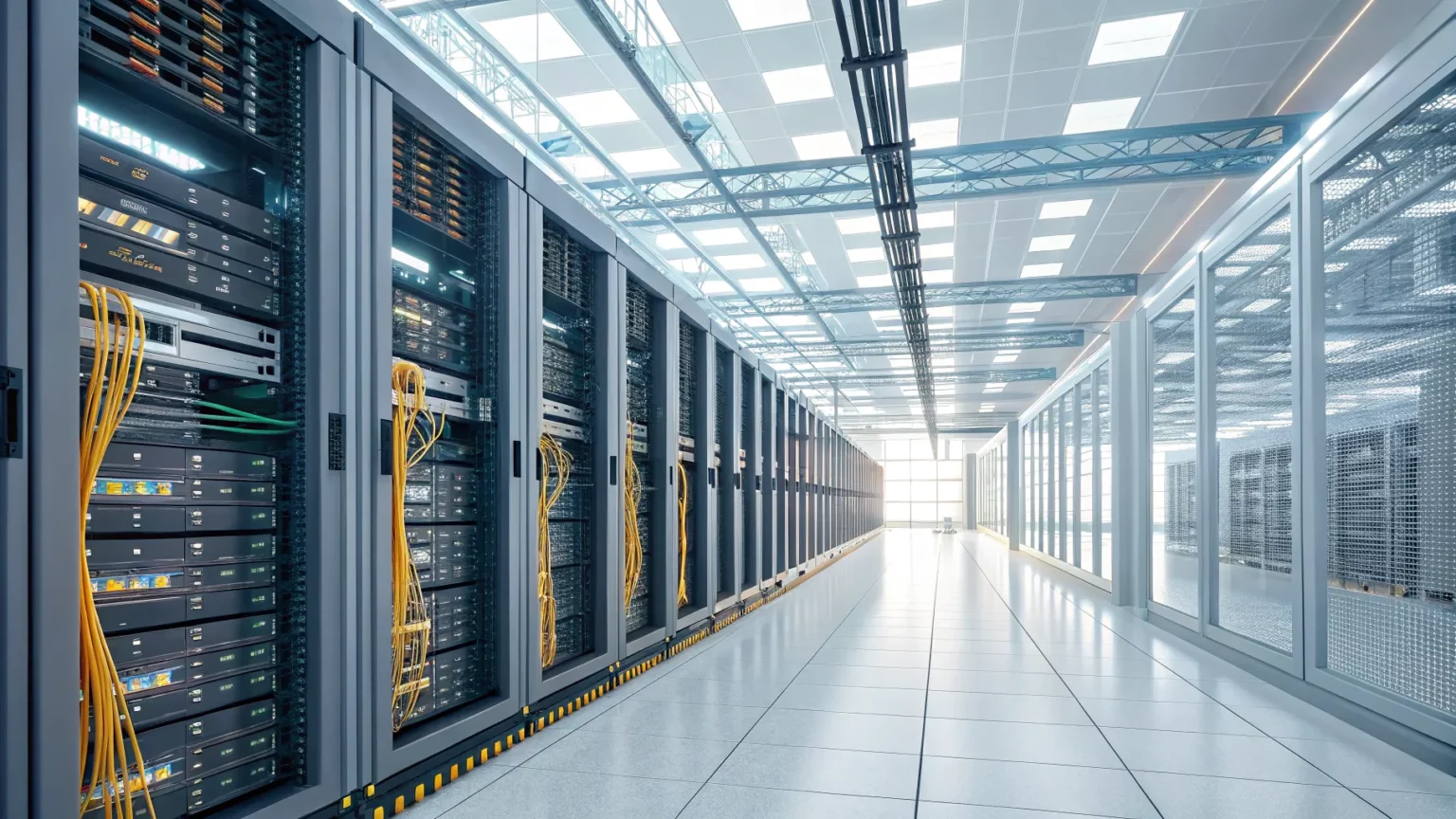
As spending on artificial intelligence soars, the largest cloud companies are under fresh scrutiny for how they fund and account for the buildout. Investors are asking whether the current wave of data center expansion is sustainable, what it means for cash flow, and how risks are being managed. The debate centers on the balance sheets of the companies that run the world’s biggest clouds, and on the timing of returns from these bets.
Why the Numbers Matter Now
The rush to deploy AI models has reshaped capital spending plans across the sector. Hyperscalers are committing to new data centers, power contracts, and specialized chips. This raises basic questions a finance chief would ask: how much cash is going out the door, how quickly those assets will pay back, and what shocks could disrupt plans. The answers will influence share buybacks, debt levels, and the pace of future projects.
The Investment Wave: Data Centers, Power, and Chips
The single largest use of cash is the physical build. New campuses require long-term power agreements and hardware cycles measured in quarters, not months. Network upgrades and cooling systems add to the bill. Many costs are capitalized, smoothing the hit to earnings. Cash flow still reflects the intensity of spend.
Management teams say the demand case rests on cloud growth, AI training, and inference at scale. The risk is timing. If customer adoption lags the buildout, assets can sit underused. If demand outpaces supply, companies may lock in higher-cost capacity or face service constraints.
Cash, Debt, and Shareholder Returns
Balance-sheet strength is a buffer. Large cash holdings and investment-grade credit give room to fund multi-year projects while continuing buybacks or dividends. Some companies issue debt to match the useful lives of assets, aligning interest costs with depreciation schedules. Others lean on operating cash flow, keeping leverage low.
The trade-off is visible in free cash flow. When capital outlays rise faster than operating cash generation, free cash flow tightens. If unit economics improve—through higher utilization, better pricing, or lower component costs—cash flow can rebound.
Profit Engines and Low-Margin Bets
Cloud infrastructure units often carry higher margins than hardware resale or early-stage AI services. Bundling compute with software can lift profitability. But the first wave of AI offerings tends to be cost-heavy, reflecting inference costs and the need to seed developer ecosystems.
The outcome depends on mix. A shift toward managed services and platform tools can raise margins. Heavy spot compute for training may compress them. Clear disclosures on segment profitability help investors judge whether returns justify the spend.



Accounting Choices: Capex vs. Opex and Useful Life
How assets are classified affects reported results. Servers, networking gear, and data center improvements are capitalized and depreciated. Software development may be split between capitalized costs and expense. Changes to useful-life estimates can lift operating income by lowering depreciation, but do not change cash reality.
Investors watch for:
- Shifts in depreciation schedules for servers and networking.
- Capitalization policies for software and AI model costs.
- Leasing versus owning facilities and equipment.
Supply Chains, Vendors, and Concentration Risk
Chip supply is a choke point. Long lead times and concentrated suppliers can delay deployments or raise costs. Companies are testing alternative vendors, including in-house silicon, to diversify risk. Power availability is another constraint. Securing capacity years ahead is becoming standard for large campuses.
Signals to Watch in Upcoming Reports
Earnings and filings offer clues on whether the buildout is on track. Key indicators include capex guidance, data center utilization, AI revenue disclosure, and the balance between buybacks and investment. Power commitments and long-term purchase agreements can signal confidence, but also add fixed obligations.
- Capex growth versus revenue growth.
- Free cash flow trends and leverage.
- Segment margins in cloud and AI services.
- Disclosures on power and chip supply.
The bottom line is straightforward. Hyperscalers are spending heavily to capture AI demand, and their balance sheets are strong enough to support it for now. The payoff depends on utilization, pricing discipline, and cost curves for compute and power. Investors should watch whether cash generation begins to outpace capital spending as deployments scale. If it does, the current cycle can sustain itself. If not, expect a slower build phase and closer scrutiny of returns.