




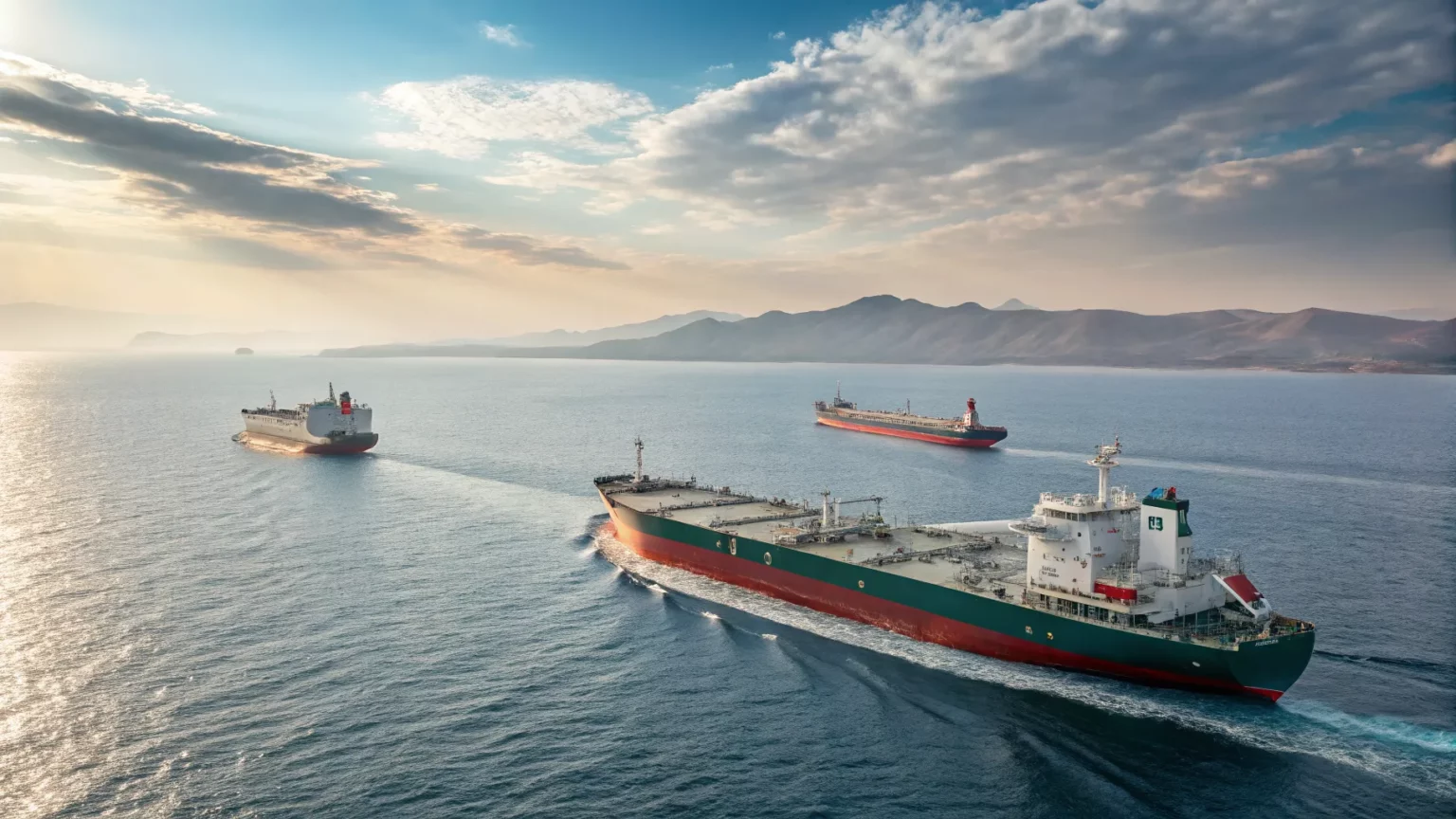
Two Indian-flagged liquefied petroleum gas carriers are transiting the Strait of Hormuz along a track close to Iran’s shoreline, according to live ship-position data. The movement, visible on commercial monitoring platforms on Monday, highlights the tight maritime choices facing energy shippers in a corridor that supplies Asian markets and remains sensitive to regional tension.
The vessels’ course stands out in a waterway where routing can shift with security alerts, insurance rules, weather, and traffic. The Strait is a narrow chokepoint between Oman and Iran that links the Persian Gulf to global markets. Energy traders, insurers, and governments watch it closely for any sign of disruption or escalation.
What The Data Shows
“Two Indian-flagged vessels carrying liquefied petroleum gas are making their way through the Strait of Hormuz, taking a route that hews closely to the Iranian coastline, ship-tracking data show.”
The track suggests a steady eastbound passage consistent with scheduled deliveries. The exact reason for the near-coast route is unclear from public data. Such courses can reflect a shipmaster’s assessment of traffic separation schemes, sea state, or evolving advisories.
Why This Route Matters
The Strait of Hormuz is one of the world’s most watched maritime bottlenecks. Analysts estimate that roughly one-fifth of global oil trade passes through it each year, along with significant volumes of gas liquids. India is a major buyer of LPG, using it for cooking fuel and industrial needs. Cargoes typically load in the Gulf and steam east to India’s west coast terminals.
Operators weigh navigational efficiency against security and insurance conditions. Route choices can influence premiums, timing, and exposure to inspections or boarding in contested waters. Shippers sometimes alter speed or hug specific lanes to align with insurer guidance or naval advisories.
Security, Insurance, and Recent Tensions
Maritime security in the wider region has been strained by periodic seizures, drone incidents, and missile threats. While the Red Sea and Gulf of Aden have drawn intense focus over the past year, the Strait of Hormuz has its own history of vessel detentions and standoffs. Any sign of altered routing can draw quick scrutiny from markets nervous about potential delays.
War-risk premiums and hull insurance clauses can change on short notice. Underwriters may request deviations, daylight transits, or routing closer to designated traffic zones. Masters often coordinate with fleet security officers and, when available, regional maritime security centers to time a transit with lower risk.
Trade Flows and Market Impact
LPG demand in India has climbed over the past decade as households switched from biomass to bottled gas under subsidy programs. Industrial users also rely on steady imports. Disruptions through Hormuz can ripple into Asian prices, charter rates, and schedules for downstream terminals.


For now, tracking data indicates these cargoes are moving without delay. But traders are alert to any change in speed, course, or reported status that could hint at inspections or diversions. Even a brief hold-up can cascade into berth congestion and rebooking costs.
What Could Explain The Near-Coast Course
- Following established traffic separation schemes and pilotage advice.
- Adapting to local weather or currents that favor a nearer track.
- Responding to insurer or company routing guidance.
- Coordinating timing with other convoying commercial traffic.
None of these factors, alone or together, confirm a security incident. They do show how routine voyages in tight waterways can appear unusual when viewed on public maps.
What To Watch Next
Energy markets will watch for confirmation of safe arrival and discharge at Indian ports. Any notice of inspection, detention, or rerouting would likely affect freight rates and prompt broader risk reassessments. Authorities in the region sometimes issue short-term advisories that can change sailing plans within hours.
If these voyages conclude on schedule, attention may shift back to the overall flow through Hormuz. Stable transits support price calm and reduce the chance of supply bottlenecks in South Asia. If not, the episode could feed new caution among shipowners and insurers.
The immediate takeaway is simple: a visible, near-coast passage in a narrow chokepoint is drawing interest, not panic. The ships are moving, markets are watching, and the strait remains a critical test of routine under pressure.