



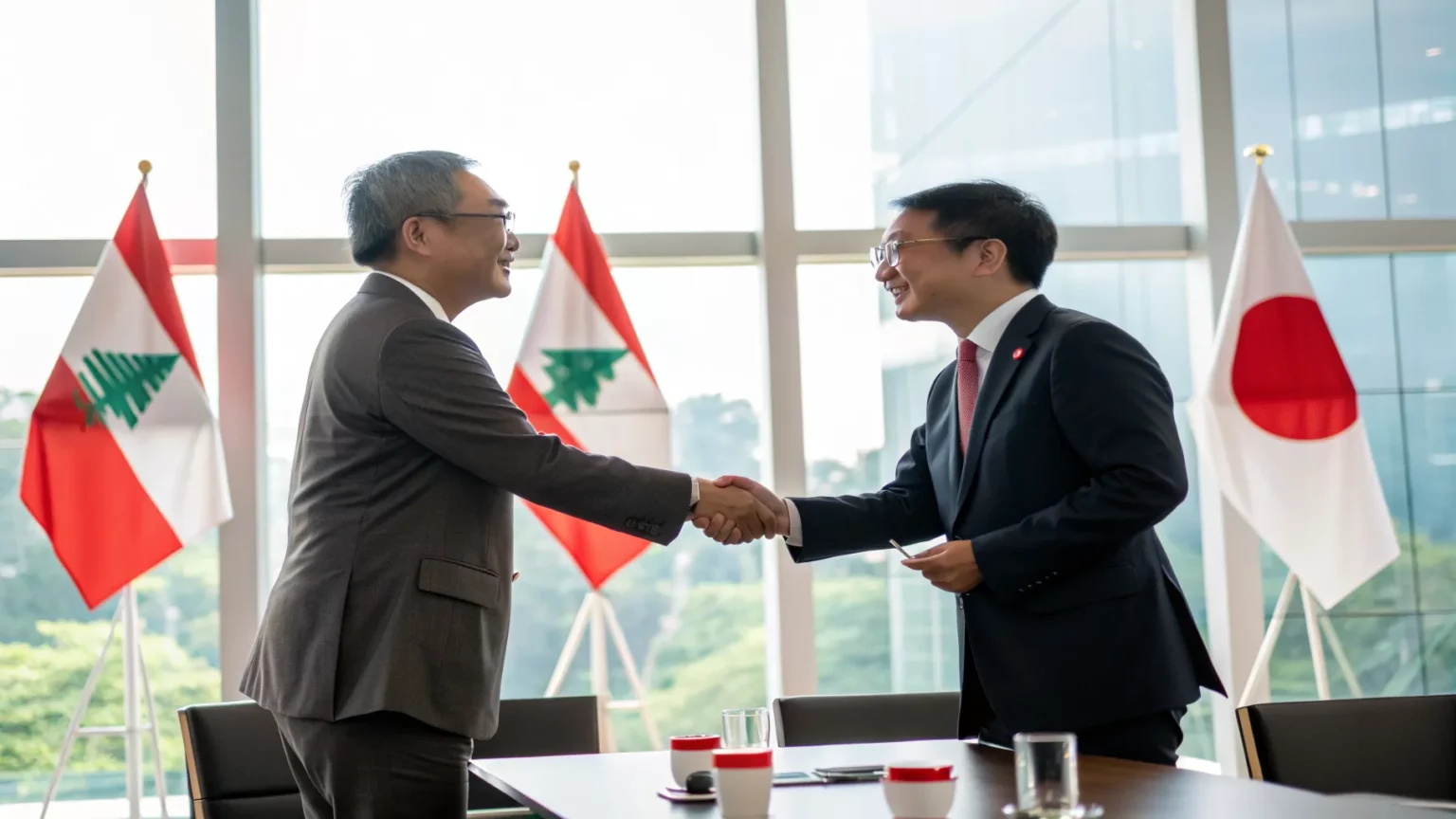
Indonesia has made official a trade agreement that keeps a planned tariff increase at bay, while pledging deeper cooperation on export controls. The move formalizes a deal first reached last year and signals a bid to steady trade ties and supply chains amid rising security and market pressures.
The agreement links tariff relief to commitments on how sensitive goods are managed at the border. It reflects a wider shift in trade policy, where market access is tied to national security and technology safeguards. Officials presented the deal as a way to prevent new frictions from hitting importers, exporters, and consumers.
What the Agreement Says
The countries made official an agreement reached last year, with Indonesia avoiding a higher tariff and committing to cooperate on export controls.
By putting the earlier understanding into force, negotiators give companies more certainty on pricing and delivery timelines. Tariff relief can lower costs for buyers, while export-control cooperation can help limit diversion of sensitive items to restricted end users. The balance is delicate: trade continues, but with tighter screening of goods seen as strategic.
Why Export Controls Are Central
Export controls govern how items with military, surveillance, or advanced industrial uses move across borders. Governments use them to manage security risks and enforce sanctions. For businesses, these rules shape who they can sell to and what documentation they need.
Linking tariff outcomes to compliance on export controls is becoming a common policy tool. It encourages partners to align screening procedures and share information on suspicious shipments. For Indonesia, cooperation may mean updating licensing systems, training customs officers, and expanding end-use checks.
Business Impact and Industry Response
Companies trading with Indonesia gain a clearer outlook on costs if the tariff hike is off the table. Manufacturers relying on steady inputs can plan orders with fewer last-minute price changes. Logistics providers expect less risk of cargo delays tied to tariff disputes.
- Importers may see lower landed costs than previously feared.
- Exporters will need stronger compliance programs for sensitive goods.
- Banks and insurers will adjust risk models for controlled items.
While tariff relief eases pressure, the compliance load can rise. Firms handling dual-use goods could face more vetting of buyers, tighter record-keeping, and added licensing steps. Smaller suppliers may need new software and training to keep pace with screening rules.
Geopolitics and the Road Ahead
The deal comes as many governments tighten scrutiny of advanced technologies and critical inputs. Aligning rules helps close gaps that can be used to bypass restrictions. It can also reduce accidental violations by creating shared definitions and processes.



For Indonesia, formal cooperation could deepen ties with key markets while protecting its exporters from abrupt tariff shocks. Trade partners, in turn, gain assurance that sensitive shipments will be monitored under agreed standards. Success will depend on how quickly agencies roll out procedures, share data, and audit results.
What to Watch Next
Implementation is the test. Clear guidance to traders, predictable licensing timelines, and joint enforcement drills will determine whether the pact delivers both security and open markets. Business groups will watch for new red tape and any knock-on delays at ports.
If the model works, similar arrangements could appear in other sectors where security and commerce intersect. For now, avoiding a tariff spike reduces near-term costs, while export-control coordination aims to manage longer-term risks.
The agreement offers a practical trade-off: steadier market access in exchange for tighter oversight of sensitive goods. The outcome will hinge on execution and trust built through day-to-day cooperation.