




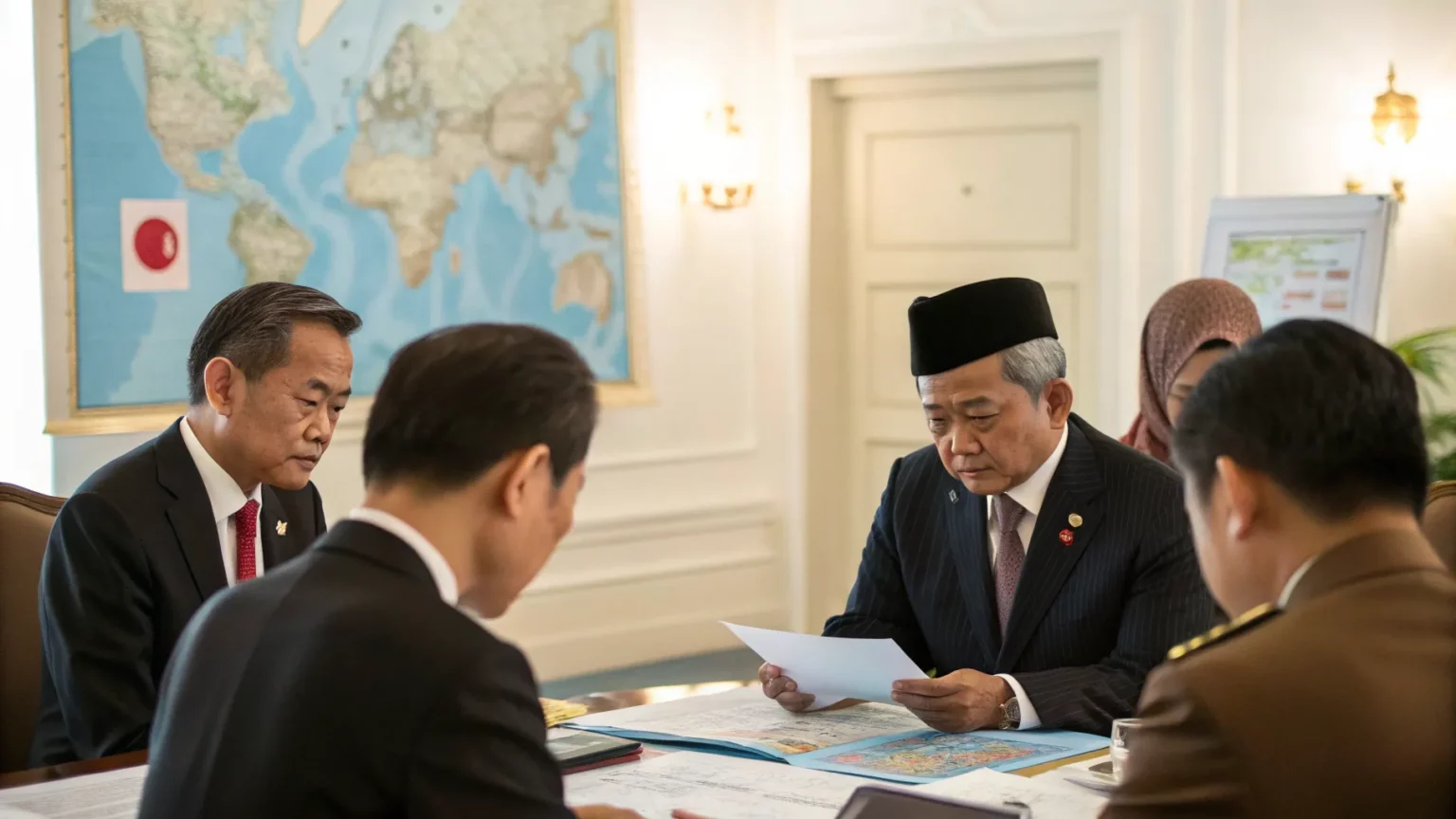
Indonesian authorities are preparing to officially declare a prominent oil trader a fugitive as part of an expanding corruption investigation involving state-owned energy company PT Pertamina. Officials also plan to seek international assistance to locate the trader, who is wanted in connection with alleged irregularities in Pertamina’s oil procurement processes.
The case represents the latest development in Indonesia’s efforts to combat corruption in its state-owned enterprises, particularly in the strategically important energy sector. Pertamina, as Indonesia’s national oil company, plays a critical role in the country’s economy and energy security.
Corruption Investigation Details
The investigation centers on alleged graft in Pertamina’s oil procurement operations, with authorities suspecting the oil trader of involvement in improper dealings that may have cost the state significant financial losses. While specific details about the alleged corruption scheme remain limited, the case appears to involve procurement contracts between Pertamina and private oil trading entities.
Indonesian anti-corruption officials have characterized the investigation as “sweeping,” suggesting it may extend beyond the individual trader to examine broader systemic issues within Pertamina’s procurement practices. The decision to declare the trader a fugitive indicates that attempts to secure the individual’s cooperation through normal legal channels have been unsuccessful.
International Cooperation Sought
By seeking international assistance to locate the trader, Indonesian authorities signal that they believe the suspect may have fled the country. This move will likely involve working with Interpol and law enforcement agencies in countries where the trader might be hiding.
The international dimension of the case highlights the challenges faced by Indonesian authorities in pursuing corruption cases that cross national boundaries, particularly in the global oil trading industry where transactions often span multiple jurisdictions.
A senior Indonesian law enforcement official, speaking on condition of anonymity because they were not authorized to discuss the case publicly, stated: “We are committed to pursuing this case wherever it leads, including across international borders.”
Implications for Pertamina and Indonesia’s Energy Sector
The corruption probe comes at a sensitive time for Pertamina, which has been working to improve its operational efficiency and financial performance. As Indonesia’s largest state-owned enterprise, Pertamina is responsible for ensuring the country’s energy security and implementing the government’s energy policies.



The investigation may have several consequences for Indonesia’s energy sector:
- Increased scrutiny of Pertamina’s procurement processes and partnerships with private traders
- Potential reforms to strengthen oversight of state-owned enterprises in the energy sector
- Possible disruption to some of Pertamina’s ongoing operations if the investigation widens
Energy sector analysts note that corruption in oil procurement can significantly impact a country’s economy through inflated costs and inefficient resource allocation. For Indonesia, a country that has transitioned from being an oil exporter to a net importer, ensuring transparent and cost-effective procurement practices is particularly important.
The case also reflects President Joko Widodo’s stated commitment to fighting corruption in state institutions, though critics have questioned the effectiveness and consistency of anti-corruption efforts during his administration.
As the investigation unfolds, it may reveal more about the networks and practices involved in Indonesia’s oil trading sector, potentially leading to broader reforms in how the country manages its energy resources and related commercial relationships. For now, authorities remain focused on locating the fugitive trader as a key step in advancing their investigation.