




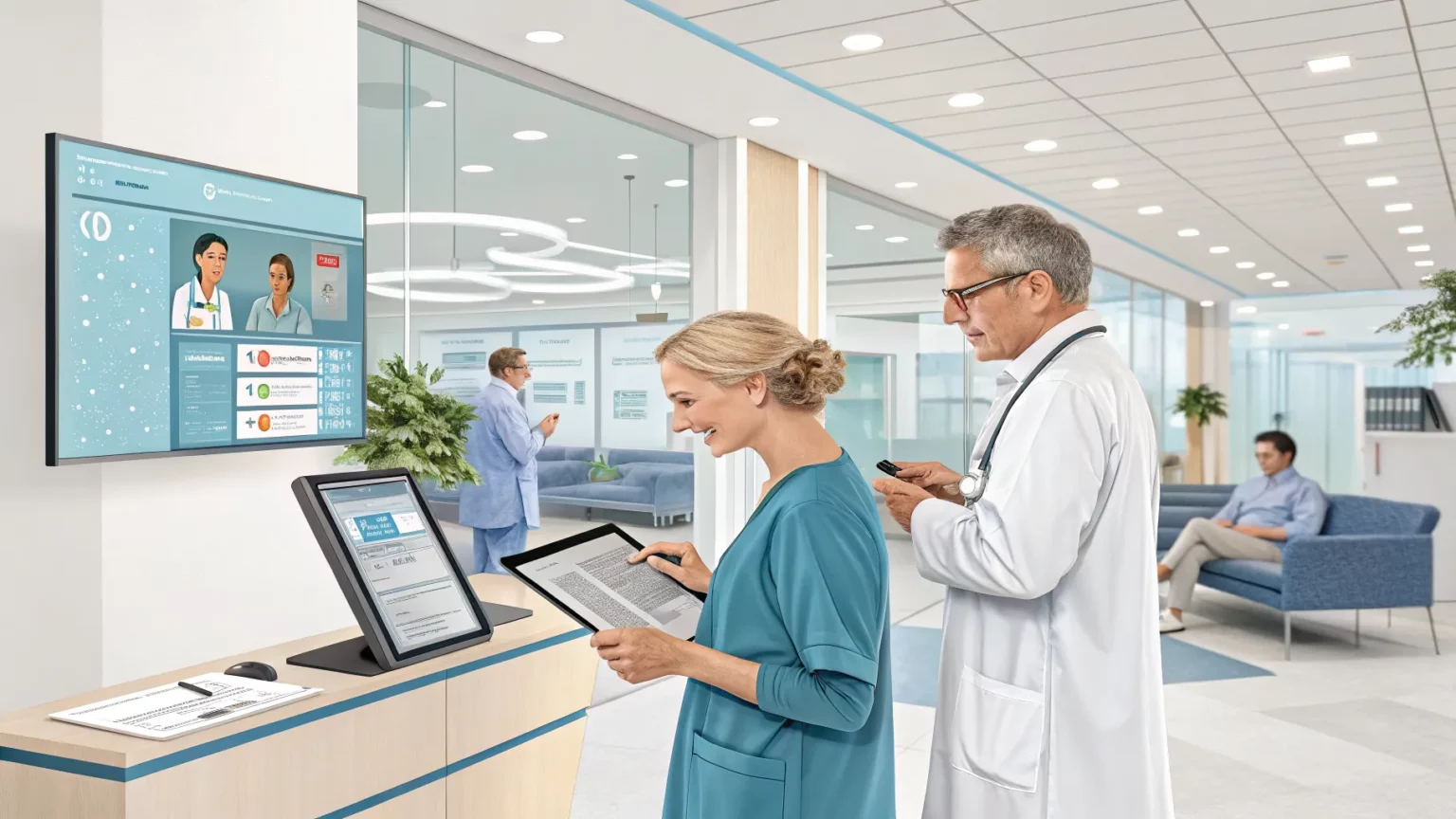
Digital check-ins, virtual visits, and smarter tools are reshaping routine care, signaling a quieter shift with sweeping stakes for patients, clinicians, and insurers. As health systems tighten budgets and patients demand faster access, clinics are testing new models that promise shorter waits, better records, and more time for actual care.
“Our podcast on markets, the economy and business. This week, we step into the doctor’s office of the future.”
The move is playing out across primary care offices, retail clinics, and hospital networks. Changes gained speed during the pandemic, when remote visits surged. The question now is what stays, what improves, and who benefits as tools mature and costs shift.
Why Change Is Hitting Primary Care First
Primary care handles high volumes and routine tasks, which makes it a test bed for new tools. Staff shortages and burnout are severe, so clinics are looking for ways to save minutes without losing trust. Insurers are also pushing preventive care to avoid costly hospital stays. That pressure encourages digital check-ins, quick message triage, and remote monitoring for chronic disease.
History offers a guide. After 2020, telehealth use dropped from its peak but settled above pre-2020 levels. Many patients now expect options. Clinics want to turn that demand into efficient, safe care without eroding the doctor–patient bond.
Tools Redrawing The Visit
Many offices are adding software that listens during exams and drafts notes automatically. Others route simple questions to secure messages. Remote devices send blood pressure, glucose, or heart rate data from home. When used well, these steps can free clinicians to focus on decisions and human conversation.
- AI scribes that create visit notes and orders.
- Online intake that updates meds and symptoms before arrival.
- Remote patient monitoring for high-risk conditions.
- Virtual visits for follow-ups and mental health.
Retail clinics and employer-backed centers are testing fast lanes for routine care. Some offer same-day slots paired with video follow-ups. Health systems are trying “team-based” rooms, where nurses, pharmacists, and social workers coordinate care plans in one stop.
Cost, Equity, And Privacy Concerns
New tools can add fees for clinics and patients. If payments do not match the workload, access can narrow. Broadband gaps and language barriers risk shutting out rural and low-income families. Privacy worries persist as more data flows through apps and wearable devices.
Clinicians warn that automation can miss context. A blood pressure spike may be stress, not a crisis. Algorithms that were trained on narrow groups may produce errors for others. Experts argue for clear auditing, patient consent, and simple ways to opt out.



Voices From The Front Line
The push to modernize care is not just about speed. Doctors say note-taking steals hours each week. Nurses say phone triage strains teams. Patients want accurate records that follow them. The promise of the new office is less waiting and fewer repeats of the same questions.
Yet trust remains the anchor. Many clinicians say they will keep hands-on exams where needed and use remote tools for check-ins and education. Patients often prefer a mix: in-person for new issues, virtual for follow-ups.
What The Data Could Prove Next
Hospitals and insurers are tracking whether these changes cut emergency visits and readmissions. Early pilots suggest gains for diabetes control and blood pressure when remote checks are consistent and coaching is available. The hardest part is keeping patients engaged after the first month.
Regulators are watching safety and billing. Clear rules on data use, documentation, and AI assistance will shape how quickly clinics adopt new systems. Purchasers—large employers and government plans—will press for proof of better outcomes per dollar spent.
What To Watch This Year
- Expanded coverage for virtual follow-ups tied to outcomes.
- Broader testing of AI scribes with human review.
- Growth of retail and employer clinics offering same-day care.
- New rules on data sharing and patient consent.
The doctor’s office of tomorrow is arriving in steps, not a single leap. The core test is simple: Does care get safer, faster, and more personal? If clinics can pair smart tools with clear guardrails and fair payments, patients may see shorter waits, fewer gaps in records, and steadier control of chronic disease. If not, the system could add cost and confusion without better results. The next year will show which models earn trust—and which fade.