



Elon Musk’s rocket company is poised to hit public markets Friday, drawing intense interest from investors who see the SpaceX founder as a singular force in technology and finance. The plan, described by an Associated Press report from New York, positions the world’s richest man to reach another milestone as he brings the private space giant to Wall Street.
The move would cap years of rapid expansion in launch services and satellite broadband. It would also test how much public markets are willing to pay for a company built on high-risk engineering and aggressive timelines. Investors are weighing profits from reusable rockets and global internet service against regulatory, governance, and market risks.
A Moment Years in the Making
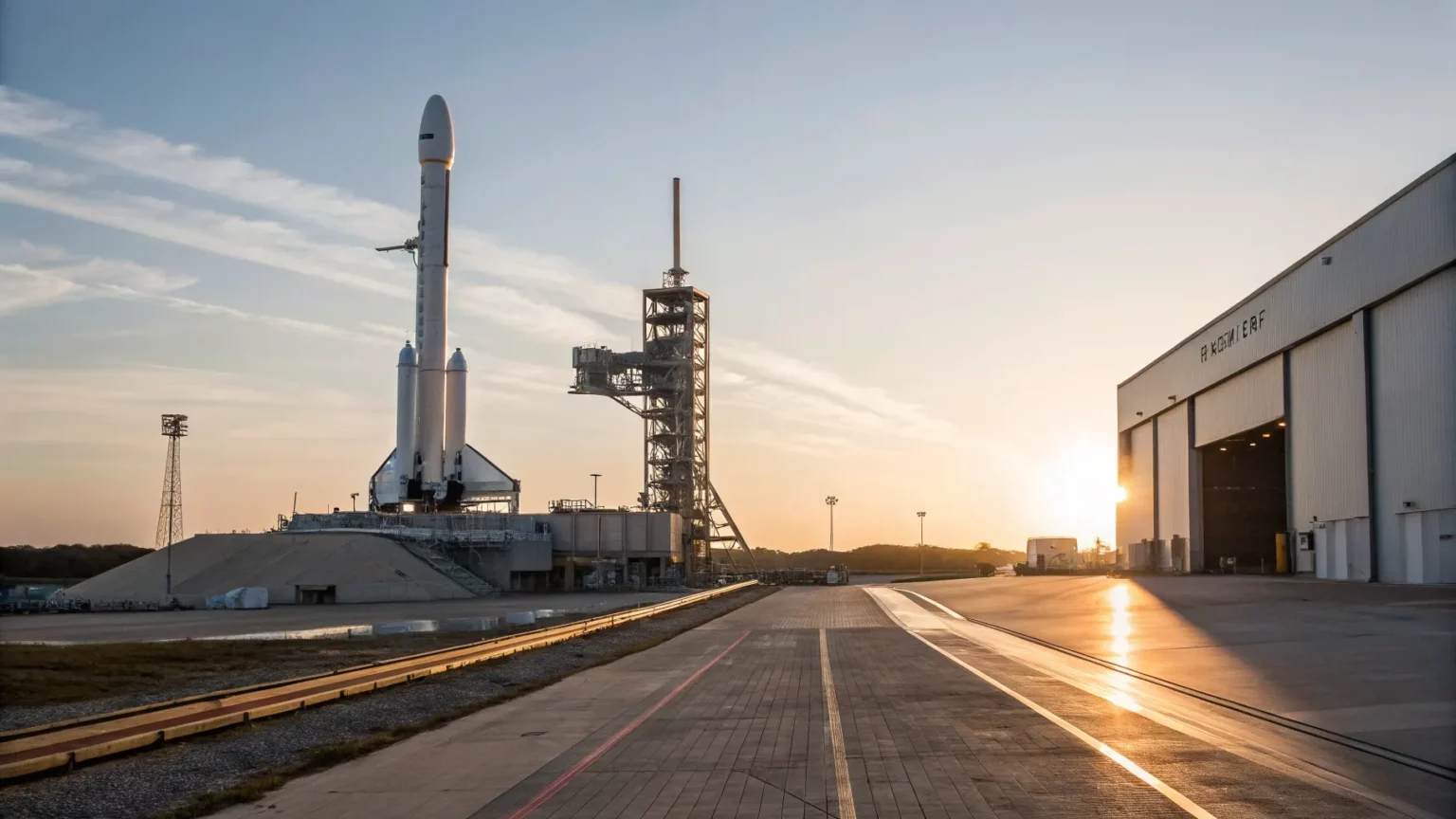
Musk has long tied SpaceX’s mission to human spaceflight and affordable access to orbit. Reusable Falcon 9 rockets reshaped launch economics by flying multiple times. The company has also grown a vast satellite network, Starlink, which sells broadband directly to consumers and businesses in many countries.
Going public would mark a shift for a company known for moving fast while staying private. An IPO could give employees liquidity and fund work on Starship, the heavy-lift vehicle designed for deep-space missions. It could also expose SpaceX to quarterly scrutiny and public debate over priorities, pricing, and safety.
“Elon Musk may never colonize Mars as promised, but enough investors consider the SpaceX founder to be a sort of miracle man that they’ll help him reach another fantastic goal Friday when he takes the rocket company public.”
What Investors Think They’re Buying
The bull case centers on three areas. First, launch dominance, built on high flight cadence and reuse. Second, satellite internet revenue, which offers recurring cash flow if customer growth holds. Third, long-term bets like lunar services and cargo delivery that could open new markets if they mature.
Supporters also point to SpaceX’s record of hitting engineering targets that many rivals missed. Some see a playbook similar to past Musk ventures, where scale and vertical integration drive down costs.
“The world’s richest man is set to become its first …”
The incomplete line hints at a superlative role for Musk after listing, likely cementing his control. That prospect excites some backers who credit centralized decision-making for past wins.
Risks: Governance, Regulation, and Markets
The bear case is as clear. Public investors would face key-person risk. Musk splits time across several companies, and his social media profile can stir controversy. That could weigh on sentiment during a market downturn.


- Regulatory scrutiny over satellite spectrum and debris mitigation.
- Execution risk tied to Starship and crewed missions.
- Capital needs for network expansion and manufacturing.
- Competition from national programs and private launch firms.
Governance will draw close attention. Dual-class shares or other control tools could leave minority investors with limited influence. Some fund managers accept that trade-off for growth. Others avoid it.
How It Compares
Public space companies have had mixed results. Virgin Galactic soared after listing, then fell as timelines slipped. Rocket Lab built steady revenue but still navigates development risk. If SpaceX lists the core business, not a spinout, it could command a different reception due to scale and cash generation.
Market timing matters. IPO volumes revived recently after a slow stretch. High-profile tech listings have priced well when growth is clear and lockups are sensible. A blockbuster offer could lift other space names and draw fresh capital to the sector.
What to Watch on Day One
Three signals will shape early trading. The first is valuation versus revenue and launch cadence. The second is guidance on Starlink margins and user growth. The third is governance design, including board independence and voting control.
Analysts will also parse capital plans for Starship and satellite upgrades. Clear milestones and cost targets could anchor expectations and reduce volatility.
The Broader Stakes
A successful debut could reshape funding for space infrastructure, earth observation, and low-orbit services. It may also push governments to reconsider how they procure launch and communications, balancing national programs with commercial providers.
Communities connected by satellite broadband, from ships at sea to rural clinics, will watch for price and service changes. Competitors may speed projects or seek partnerships to keep pace.
For now, investors are lining up for a rare chance to own a piece of a company that helped normalize routine orbital flights. If Friday’s listing goes ahead, the first sessions will test how much faith public markets place in Musk’s next chapter—and how much control they are willing to concede for it.