




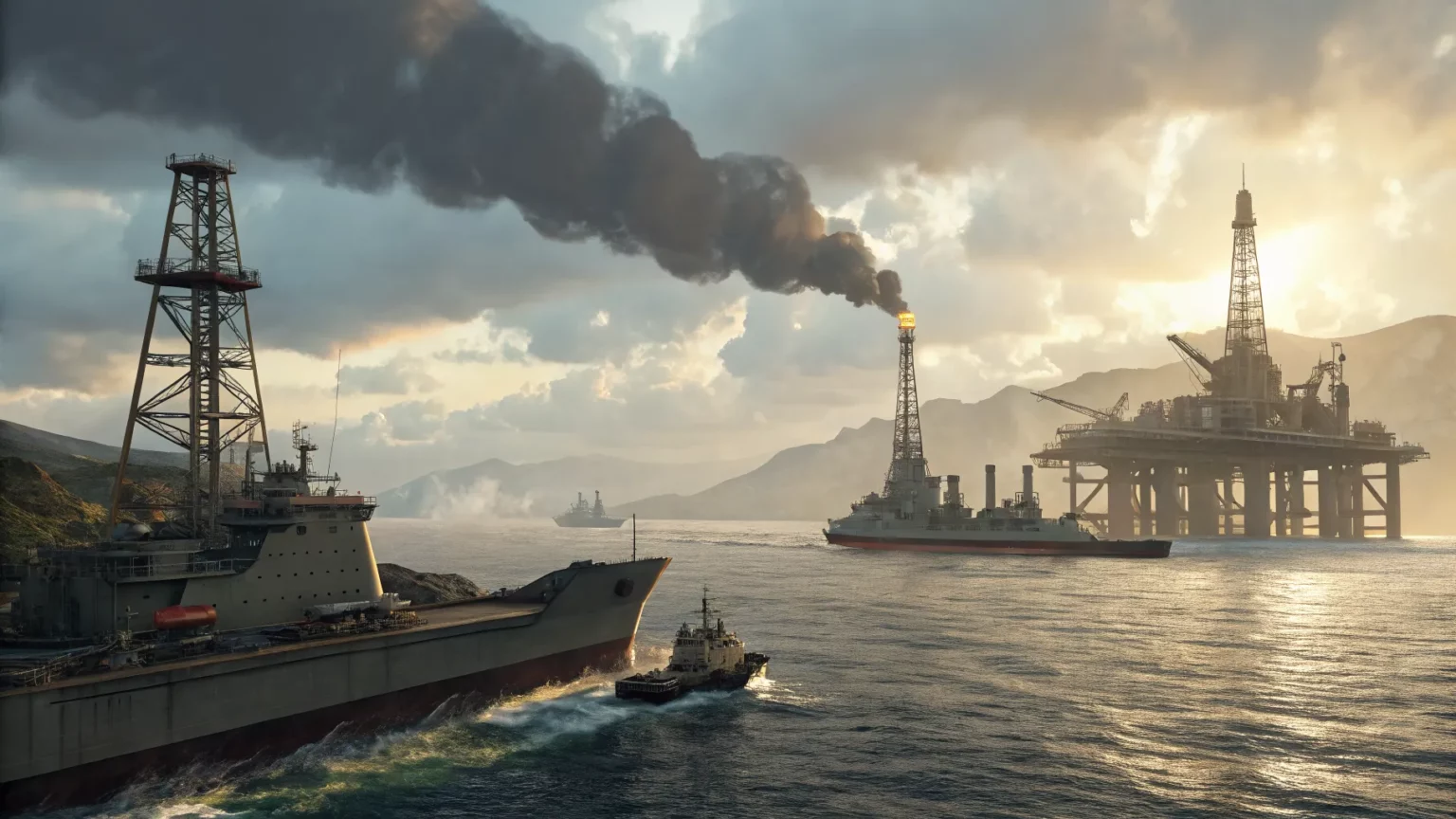
Iran has warned it will escalate strikes on energy infrastructure if President Donald Trump follows through on a threat to “obliterate” the country’s power plants, raising the stakes over access to the Strait of Hormuz. The warning came as tensions flared over whether Iran would reopen the vital waterway, according to a report from NBC News’ Matt Bradley in Tel Aviv.
The standoff centers on control of one of the world’s most important shipping lanes. Both sides are testing red lines with threats that could disrupt oil and gas flows across the Gulf. The exchange has put energy markets and regional security on alert.
High Stakes at a Global Chokepoint
The Strait of Hormuz connects the Persian Gulf to global markets. About one-fifth of traded oil passes through it, along with liquefied natural gas shipments from Qatar. Any closure or clash in the area can move prices within hours, as refineries and shippers scramble for alternatives.
Iran has long viewed the strait as leverage against sanctions and military pressure. The United States, Gulf states, and Europe see open passage as nonnegotiable. In recent years, skirmishes near the strait and attacks on vessels have spiked tensions. Insurance costs for tankers have also risen during crises, adding to the price of every barrel moved through the Gulf.
The Latest Threats and Their Triggers
In the current flare-up, Tehran’s message is aimed at deterring strikes on its infrastructure and pressing for relief from pressure to reopen the waterway on U.S. terms. Washington’s message is aimed at forcing compliance and signaling the costs of defiance.
Iran has threatened to escalate strikes on energy infrastructure should President Donald Trump make good on a promise to “obliterate” the country’s power plants if it does not reopen the Strait of Hormuz.
Bradley reported the warning amid mounting rhetoric. The exchange follows years of strain after the U.S. exit from the nuclear deal in 2018, rounds of sanctions, and periodic maritime incidents. Each episode adds fresh risk to global supply chains.
Energy and Security Risks
Oil markets tend to react fast to threats that involve Hormuz. Even rumors of disruption can add a premium. A clear threat to power plants or export terminals would carry wider consequences, potentially curbing oil output and interrupting shipments beyond Iran.
Gulf producers like Saudi Arabia and the United Arab Emirates have built pipelines to route exports away from Hormuz, but those routes have limits. A regional campaign against energy infrastructure could stretch defenses across several countries and raise costs for months.



Military planners also worry about miscalculation. A strike that knocks out power or damages a refinery could trigger a broader exchange. That would draw naval forces into a tight waterway where traffic is heavy and warning time is short.
Competing Narratives
U.S. officials argue that pressure is needed to maintain freedom of navigation and deter threats. They say strong warnings prevent worse outcomes. Iran frames its position as resistance to sanctions and to what it calls unilateral demands.
Trump’s pledge to “obliterate” power plants if Iran does not reopen the strait signals a willingness to hit hard at critical nodes.
Regional allies voice concern that a clash could spill over into Israel, Iraq, and Yemen, where proxy groups have targeted oil and shipping before. Bradley’s report from Tel Aviv reflects how closely Israel tracks Gulf tensions that could reshape the security picture across the Middle East.
What Markets and Governments Are Watching
- Maritime traffic data for signs of shipping slowdowns or reroutes.
- Insurance rates for tankers transiting the Gulf.
- Satellite imagery of power and refinery sites for damage or heightened defenses.
- Back-channel talks that could ease the standoff.
Energy firms are reviewing contingency plans, including stock draws, alternative ports, and schedule changes. Governments are weighing emergency reserves and coordinated messaging to calm prices if flows falter.
Paths to De-escalation
Diplomats point to steps that have eased past crises: naval hotlines, third-party mediation, and limited agreements on shipping safety. Narrow deals to reduce risk in the strait, even without a broad political breakthrough, could stabilize markets.
Still, the rhetoric suggests both sides want leverage before talks. Threats against power plants and energy sites raise the ceiling for damage if deterrence fails.
The warning reported by Bradley captures a moment when words could move oil and shape strategy. The next indicators will come from the waterway itself. If traffic slows or sites are hit, prices will rise and navies will surge. If quiet channels produce a pause, markets may breathe easier. For now, the world is watching the strait, and whether threats give way to a deal that keeps energy moving.