




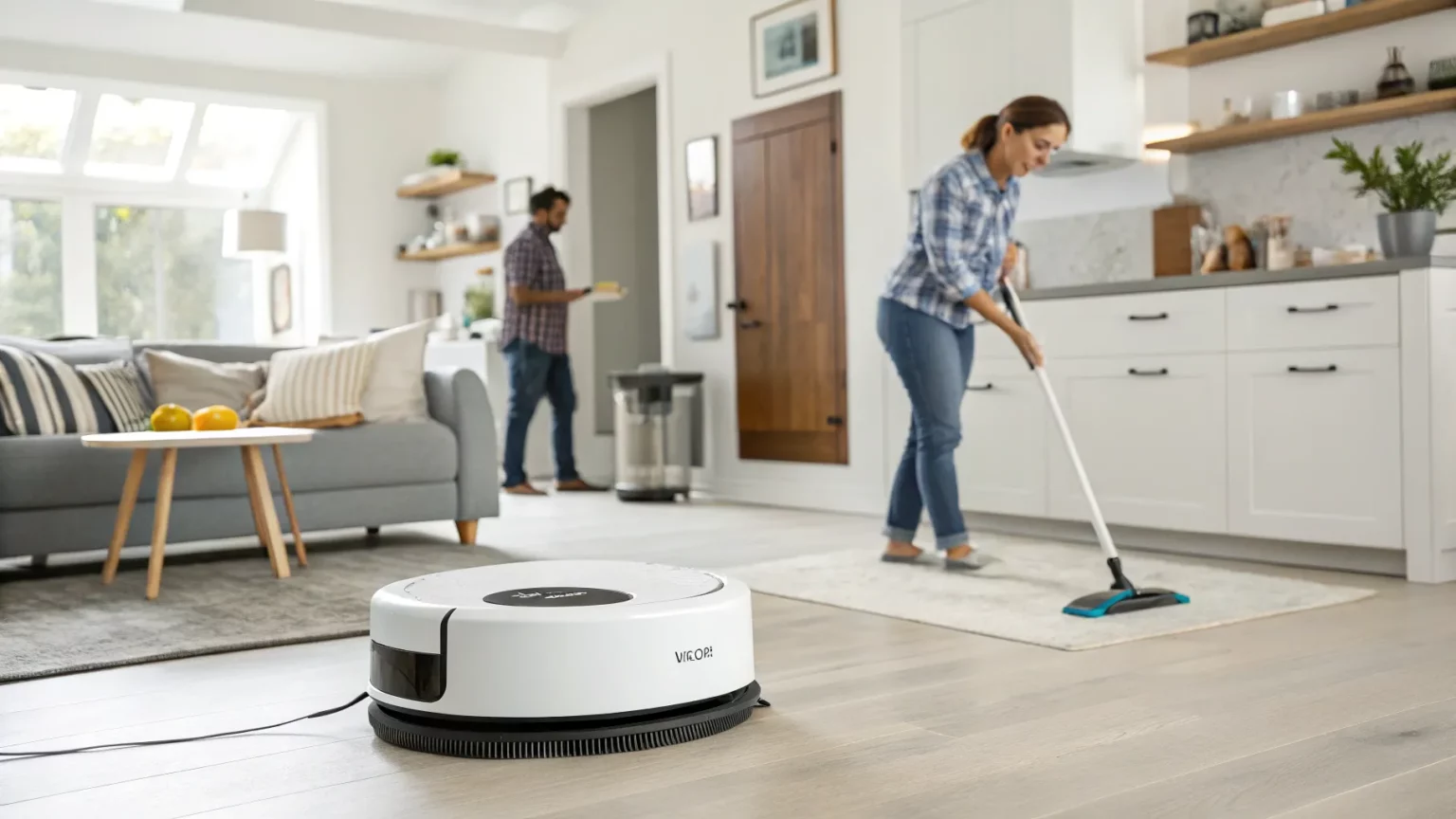
A teasing question poses a challenge to the consumer tech market: is a new home robot called Neo ready to take on household chores like Rosie from The Jetsons? The pitch suggests a family helper that can move, see, and act with care. It points to a near-term test for domestic robots and the gap between promise and daily use.
The idea comes as major companies race to bring mobile assistants into homes. Vacuum robots are common, and voice speakers have set expectations for simple tasks. But a general-purpose helper remains unfinished work. The push to place a more capable robot in living rooms raises questions about cost, safety, and usefulness.
The Dream of a Household Helper
Rosie the Robot set a cultural benchmark for a tireless, kind helper. For decades, home robots have fallen short of that image. Most devices do one job, like cleaning floors. A few newer models add cameras, arms, or wheels, but they often face limits in handling varied chores, navigating clutter, and avoiding pets and people.
Companies promoting household assistants now highlight smarter navigation, better object recognition, and tighter links with smart home devices. They promise fewer stuck wheels, fewer collisions, and more useful tasks. The core question is not if a robot can move, but if it can actually help without creating new work.
What “Ready” Would Look Like
“Is Neo ready to become the Rosie of your family?”
Readiness means more than a demo. It means reliability across many homes, not just staged rooms. A helpful device should handle laundry baskets, dish loading, and tidying common items. It should adapt to toys on the floor, cables, and uneven lighting. It must recognize when to act and when to ask for help.
- Mobility: smooth movement on carpets, thresholds, and stairs avoidance.
- Manipulation: safe gripping of fragile and heavy objects.
- Autonomy: useful tasks without constant prompts.
- Integration: links with lights, locks, and appliances.
- Support: clear updates, repair paths, and spare parts.
Each point is a hurdle. Many robots handle one or two well. Few handle all five at once under real home conditions.
Privacy, Safety, and Trust
Household robots gather detailed information about a home. They map rooms, detect objects, and often stream video for remote checks. That raises privacy issues. Buyers want storage limits, clear data controls, and on-device processing when possible. A visible mute switch and physical shutter can help build trust.
Safety is another key. A robot with arms must manage grip force to avoid harm. It should detect people, pets, and fragile items and stop on contact. Fail-safe design matters more than speed. Parents and caregivers will judge the device by how it behaves around children and older adults.



Usefulness Versus Hype
Past launches have drawn attention, then stalled due to limited tasks or high prices. Simple wins often come from modest features: cleaning up small spills, fetching light items, or acting as a mobile camera for care checks. A long task list can sound impressive, but a short list that works every time builds trust.
Analysts point to a few clear benchmarks. Time saved per week, reduction in repeated chores, and the share of tasks completed without errors. If Neo can show consistent gains on those measures, the device would stand out in a crowded field.
Cost, Access, and Support
Price remains a hard barrier. Many families weigh a robot against hiring help or buying several single-purpose devices. Subscription fees for software or parts can add up. Clear pricing and service plans make a difference.
Support also matters. Buyers need tutorials, spare parts, and repair options. A device that ends up idle after a small fault hurts trust in the entire category. Long-term parts availability and transparent warranties help reduce that risk.
What to Watch Next
The next wave of home robots will be judged by everyday use. Can they clean up after dinner without breaking glasses? Can they help with laundry, not just carry a basket? Can they avoid the dog and still reach the charger at night?
Clear evidence will come from pilot programs, independent tests, and long-term user reports. Video clips can impress, but daily logs of completed chores are harder to dispute. If Neo can publish reliable data on task completion, error rates, and user satisfaction, expectations will shift.
The bold question sets a high bar, and it should. Families want help, not a gadget that needs care. For now, the answer rests on proof. If the device shows steady, safe, and useful performance across real homes, a new phase of household assistance may be close. Buyers should watch for transparent metrics, strong safety design, and plain pricing before making the leap.