




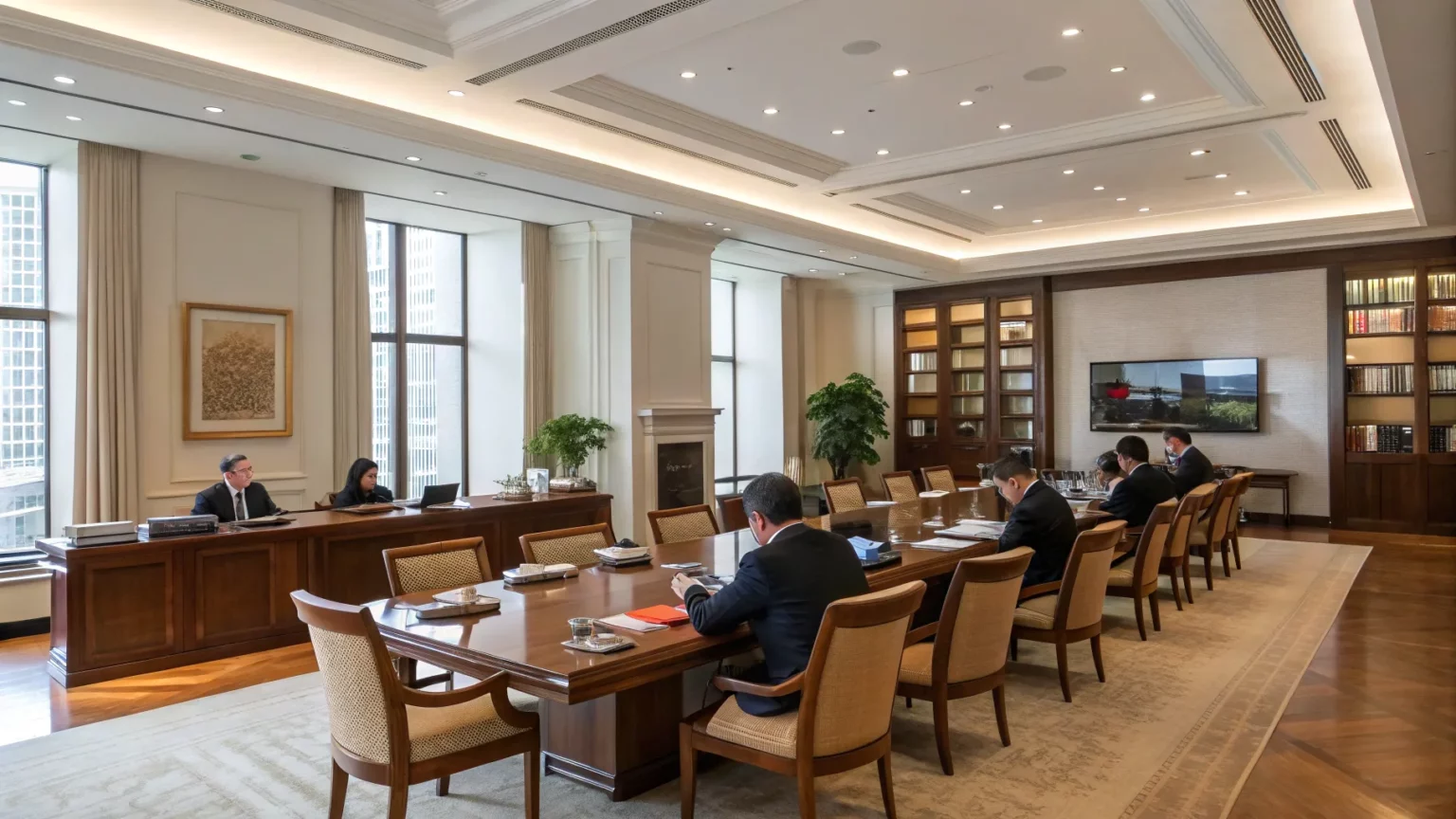
Jamie Dimon expects full attention in the room, and the message is blunt: phones and messaging apps are out when he is in a meeting. The head of JPMorgan Chase is known for direct management, and employees say etiquette is part of performance. The stance reflects a broader push by major firms to curb digital distractions at work and raise in-person focus.
“Don’t check your email or Slack while in a meeting with Jamie Dimon, or there will be consequences.”
Dimon has led JPMorgan since 2005 and steered it through the financial crisis and the recent regional bank stress. His views on work habits shape one of the most influential offices on Wall Street. They also feed a larger debate over multitasking, remote tools, and what productivity looks like in high-stakes settings.
A Clear Line on Attention
People close to the bank describe a simple rule: eyes up, listen, and contribute. Side conversations, DMs, and inbox checks are seen as signs of drift. The expectation mirrors the firm’s firm stance on office attendance since the pandemic. In recent years, Dimon has urged teams to spend more time together at headquarters, arguing that live debate and mentorship are stronger face to face.
The policy fits a growing pattern across finance and consulting. Senior leaders want meetings to be shorter, sharper, and free of distractions. Several Fortune 500 companies have adopted device-free sessions for key reviews and client discussions. The goal is to push decisions faster and reduce follow-up cycles.
Why Multitasking Hurts Results
Research has long warned that switching tasks drains time and quality. Studies led by Gloria Mark at the University of California, Irvine, have found that regaining focus after an interruption can take more than 20 minutes. Even brief glances at email extend meeting times and blur accountability.
For banks, this matters. Risk, compliance, and trading calls demand complete focus. Missed details can trigger errors or delay sign-offs. A strict rule on devices tries to remove a common source of slip-ups. It also signals to junior staff that presence and preparation count.
- Fewer interruptions reduce decision time and rework.
- Clear attention improves accuracy in high-risk reviews.
- Shared norms set expectations for new hires and teams.
Employee Reactions Are Mixed
Some staff welcome the clarity. They say meetings move faster and leaders hear more voices when people are not half-typing. Managers add that notes and actions improve when laptops stay shut.
Others raise practical issues. Many teams rely on live data, internal dashboards, and shared docs. They argue that banning devices can slow updates or hide real-time risks. Several employees also worry about a culture of constant intensity, which can feed stress and reduce psychological safety.



Tensions like these are common. Companies are testing middle-ground options, such as a single “screen runner” who pulls up needed data for the room. Some set “quiet periods” for email checks between meetings, rather than during them.
Implications for Wall Street Culture
Dimon’s stance lands at a time when banks are reasserting office norms. Many have scaled back hybrid policies, citing mentorship and deal-making needs. A no-device meeting rule extends that logic to minute-by-minute behavior. If adopted widely, it could reset expectations for how junior and senior staff show up in fast-moving discussions.
Clients may see gains, too. Fewer distracted moments can mean tighter pitches and clearer execution. Yet the policy will be tested in global teams that depend on instant messages to coordinate across time zones.
What to Watch Next
The bank is likely to refine when exceptions apply, especially for data-heavy reviews. Human resources teams will watch retention and engagement numbers for signs of burnout or pushback. Competitors may follow with their own rules, aiming for focused meetings without cutting off vital tools.
Dimon’s message is plain, and the consequences are implied. Leaders want attention in the room and proof of preparation. The trade-off is sharper meetings against the ease of constant connectivity. As firms balance these needs, the standard set in JPMorgan’s boardrooms could spread across corporate America.