



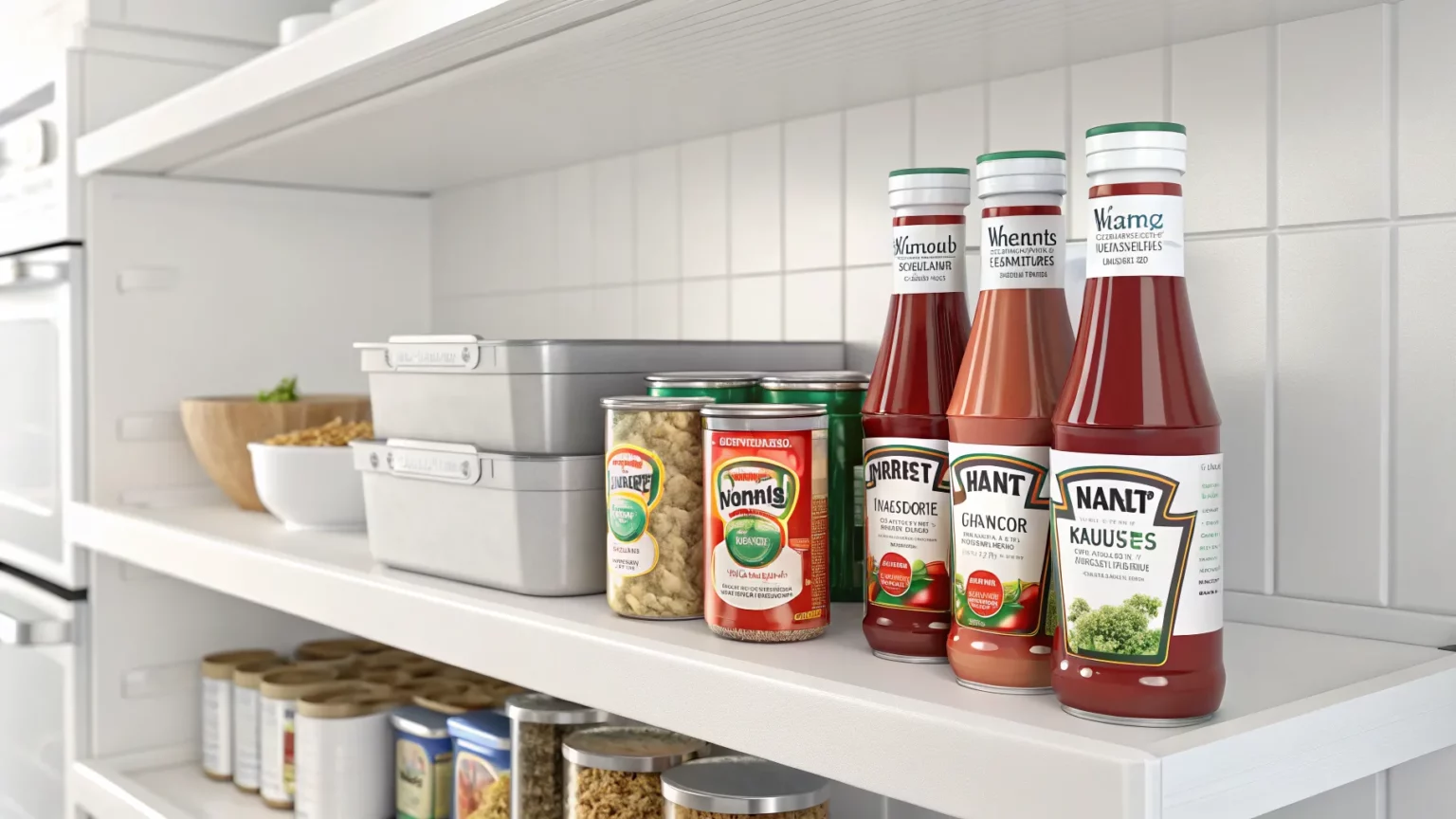
Kraft Heinz said it is refreshing some of its best-known pantry staples as shopper tastes shift and long-standing items lose ground on store shelves. The move signals a bid to keep iconic brands relevant with changing preferences for flavor, nutrition, and convenience. The effort is likely to touch core products that once anchored weeknight meals but have fallen out of favor as consumers seek simpler labels and new formats.
Kraft Heinz is reinventing some of its well-known pantry staples that have fallen out of favor with consumer tastes.
The company did not detail which products are being updated, but the plan points to a broader reset across center-store aisles. It comes as large food makers face price-sensitive shoppers, aggressive private-label competition, and a market that rewards novelty and perceived health benefits.
Why It Matters
Packaged foods gained during the pandemic but have since seen uneven demand. Many households are trading down, rotating brands, or cooking with fewer processed ingredients. Established names still carry trust, yet they must now meet clearer expectations on taste, nutrition, and sourcing. A revamp offers a chance to keep loyal buyers while attracting younger shoppers who prize variety and function over nostalgia.
Kraft Heinz also faces retailers that want faster rotation and shelf productivity. Reformulated or reimagined items can reset interest and earn premium placement if they deliver growth without steep promotions.
A Playbook for Reinvention
Companies often use a mix of recipe changes, packaging shifts, and limited editions to refresh older lines. Reformulation can reduce sodium or sugar, remove artificial colors, or add more recognizable ingredients. Packaging updates can make meal prep faster, extend freshness, or improve portion control. New flavors and formats can move a product into snack aisles or refrigerated cases that draw frequent trips.
- Recipe updates to align with cleaner labels
- Smaller sizes to manage price points
- Limited-time flavors to test interest
- Retailer-exclusive items for shelf visibility
These tactics are common across big food. The challenge is keeping the taste profile that made the brand famous while addressing new concerns. A misstep risks alienating loyal customers who expect consistency.
Consumer Signals and Competitive Pressure
Shoppers are seeking clear ingredients and value. Search interest and social media trends show rising attention to high-protein snacks, global flavors, and easy heat-and-eat meals that do not feel heavy. Private labels are quicker at copying hits and undercutting price. Specialty brands push bolder seasonings and shorter ingredient lists. For a large house of brands, speed and coordination matter.
Pricing remains a sensitive issue. After several years of inflation, consumers are wary of shrinkflation and markups. Any reinvention that raises price must deliver more perceived value, whether through taste, quality cues, or convenience.



Retail and Supply Chain Implications
Retailers often back proven brands that can bring traffic and reliable supply. If refreshed items show strong trial, grocers may adjust shelf sets to favor them. That can squeeze slower movers and force tougher choices within crowded categories.
On the supply side, recipe changes can require new sourcing of spices, tomatoes, grains, or packaging materials. That increases complexity and testing. Execution will depend on supplier partnerships, reformulation lead times, and quality control to maintain consistent taste at scale.
Risks and What Success Looks Like
Past industry efforts show that sweeping changes can backfire if the core flavor shifts too far. A better path often pairs quiet recipe tweaks with clear communication and side-by-side options, such as “original” and “lighter” versions. Marketing should set expectations and invite feedback without overpromising.
Success will likely be measured by repeat rates, not just first-time trial. Retail scan data, social sentiment, and customer service contacts will be early signals. If the updates extend purchase frequency and reduce discounting needs, the strategy could improve margins while stabilizing share.
What to Watch Next
Look for staggered launches, seasonal tie-ins, and partnerships with retailers or food-service channels. Packaging claims may highlight simpler ingredients or bolder flavors. Limited-time runs could test ideas before wide release. If early items perform, other legacy products may follow with similar changes.
Investors and analysts will watch whether household penetration rises and whether private-label share slips in affected categories. Any move into refrigerated or frozen sections would suggest a deeper shift in how the company positions familiar names.
Kraft Heinz’s decision marks a cautious reset for grocery mainstays that once sold on autopilot. Reinvention, if done with care, can protect brand equity while meeting today’s expectations on taste, value, and clarity. The next few quarters will show whether refreshed staples can earn repeat purchases and help steady growth in the center of the store.