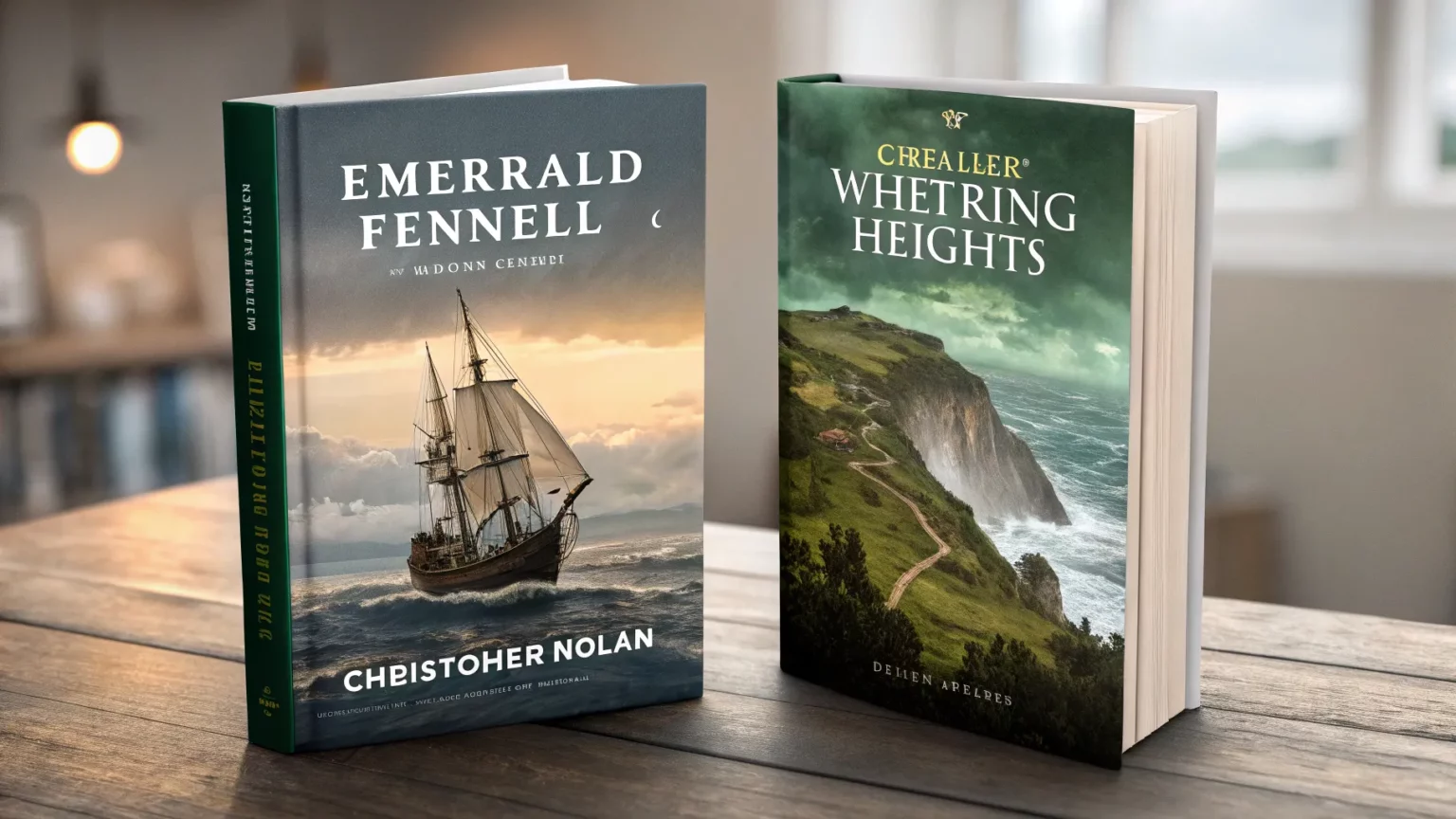
Two heavyweight literary adaptations are set to anchor the 2026 movie calendar, signaling a renewed push by studios to mine classic texts for large-scale releases. Emerald Fennell’s take on Wuthering Heights and Christopher Nolan’s interpretation of The Odyssey are positioned as key titles, drawing early attention across the industry for their ambition and pedigree.
Emerald Fennell’s “Wuthering Heights” and Christopher Nolan’s “The Odyssey” are among the movies releasing in 2026 that are based on books.
The projects unite well-known directors with enduring source material. Their timing aligns with steady audience interest in prestige adaptations, as seen in recent years with projects like Dune and Oppenheimer. While details remain under wraps, the pairing of these filmmakers and texts has raised expectations about tone, scale, and reach.
Why These Books Still Matter
Emily Brontë’s Wuthering Heights endures as a stormy tale of obsession, class, and revenge. Its Yorkshire moors, corrosive romance, and nonlinear structure have challenged filmmakers for decades. Directors often struggle to balance gothic mood with narrative clarity, but the material rewards bold choices.
The Odyssey, attributed to Homer, remains one of the oldest and most influential adventure stories. It blends war aftermath, myth, and moral tests into a hero’s long journey home. Its episodic nature invites visual spectacle and thematic breadth, from fate and free will to loyalty and identity.
Directors With Distinct Signatures
Fennell has built a reputation for sharp, provocative storytelling, and a precise visual style. A modern lens on Brontë could amplify the novel’s tension around power, desire, and social control. A focus on character interiority may help untangle the book’s layered timeline for contemporary audiences.
Nolan’s films often pair formal rigor with grand scale. A version of The Odyssey under his direction suggests meticulous structure, large-format imagery, and an emphasis on time and memory. The epic’s tests and detours could translate into set pieces that also explore the psychology of endurance.
Adapting Classics: Risks and Rewards
Turning canonical texts into films invites debate. Purists favor faithful retellings. Modern audiences seek immediacy and pace. Studios need broad appeal without losing literary depth. These tensions shape creative choices, from casting to runtime and rating.
- Fidelity versus reinterpretation remains the central choice for classic adaptations.
- Marketing must introduce younger viewers to known titles without assuming prior knowledge.
- Global reach requires themes that travel across cultures and languages.
Recent releases suggest audiences respond to ambitious adaptations when craft and clarity align. Dune demonstrated that complex world-building can draw sustained interest over multiple chapters. Oppenheimer showed that book-based dramas can thrive in wide release when cinematic form matches story scale.



Industry Signals and Expectations
Studios are likely to position these films as tentpoles with awards potential. The calendar placement in 2026 hints at long lead times for production and effects. It also suggests careful rollout strategies, including festival debuts and premium formats.
Education and cultural institutions often support classic adaptations through screenings and curriculum tie-ins. That can expand the audience beyond typical blockbuster demographics. It can also stabilize word of mouth if early reactions praise both accessibility and depth.
What Success Could Look Like
Strong reception would hinge on a few factors. Clear storytelling that respects the source. Performances that carry emotional weight. Visual choices that serve theme rather than overwhelm it. A release strategy that builds momentum through critical response and event-style marketing.
Each project faces different hurdles. Wuthering Heights must handle a nonlinear plot and morally thorny leads without softening the story’s bite. The Odyssey must knit episodic adventures into a coherent arc while conveying intimacy in a tale known for scope.
Together, these films could shape the tone of the 2026 season and test the market for high-art, high-stakes adaptations. If they connect, studios may greenlight more literary projects that balance scale with substance. If they stumble, the message may be to narrow the target or rethink format.
For now, anticipation is high. The pairing of storied texts with directors known for precision and ambition sets a clear bar. The next updates to watch are casting, production details, and release dates. Those signals will show how each team plans to bring these enduring works to the screen—and how audiences might meet them.