




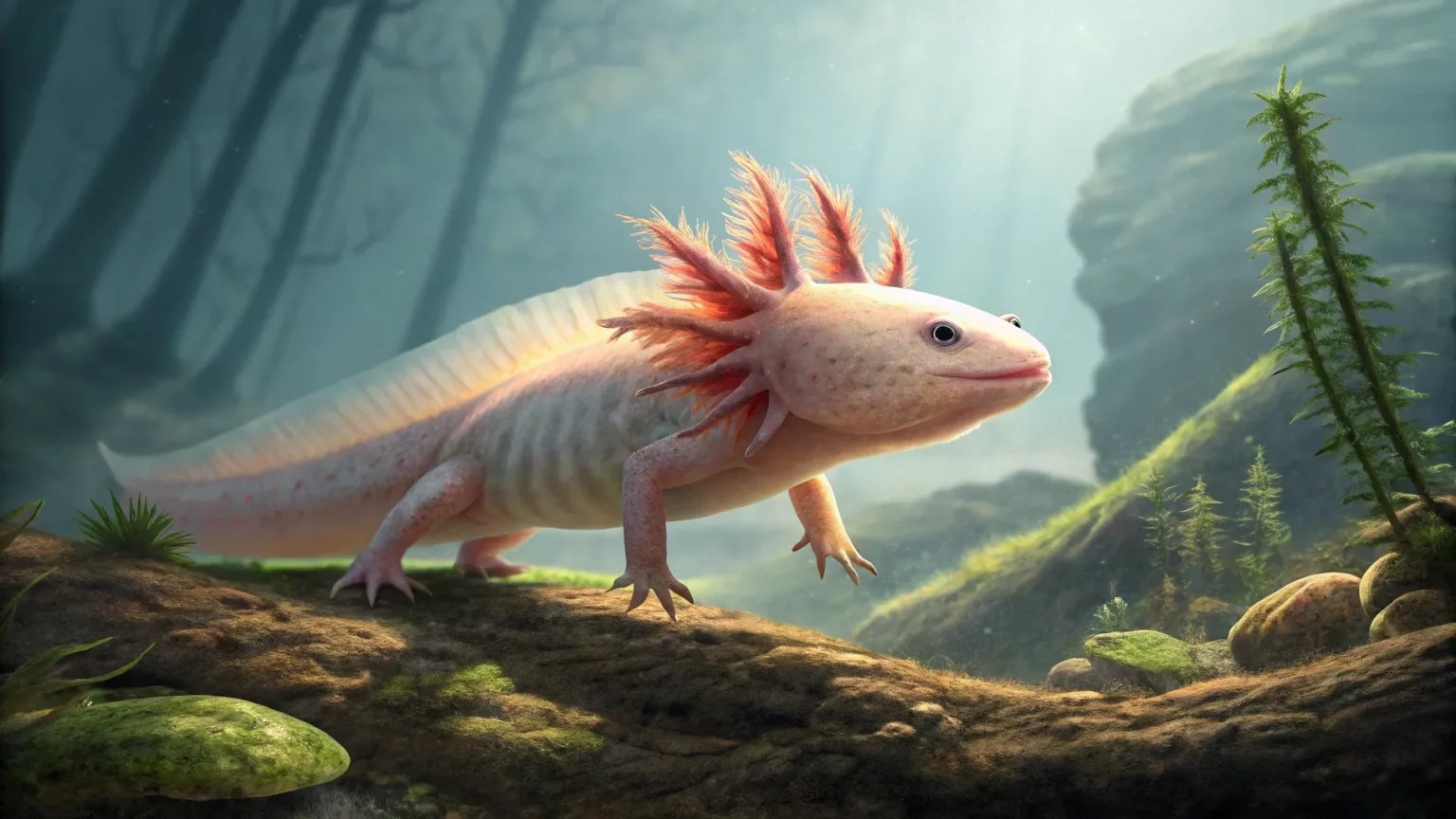
Live Science is putting the spotlight on unusual wildlife, promising fresh coverage of curious creatures and the science that explains them. The outlet is rolling out new stories, features, and explainers that dig into how odd adaptations help animals survive and what recent research is revealing. The goal is to help readers make sense of an animal world that still surprises scientists.
The effort comes as researchers continue to describe thousands of new species each year, many with striking traits or behaviors. It also follows rising public interest in biodiversity, conservation, and the effects of climate change on habitats worldwide. The timing signals a push to make complex research accessible to a wide audience.
What the Coverage Promises
“Discover the weirdest and most wonderful creatures to ever roam Earth with the latest animal news, features and articles from Live Science.”
The series pledges regular news updates, in-depth features, and background explainers. It aims to link headline-grabbing finds with careful reporting on methods, evidence, and uncertainty. That framing matters when social feeds are flooded with out-of-context videos of rare animals.
Editors say they want readers to understand both the wow factor and the science beneath it. This push includes guidance from researchers who study anatomy, behavior, and evolutionary history.
Why Strange Species Matter
Odd creatures are not just curiosities. They are case studies in survival. From extreme desert dwellers to deep-sea specialists, unusual adaptations can reveal how life evolves under pressure. Scientists use these examples to test ideas about natural selection, migration, and resilience.
There is also a public value. Strange animals can draw attention to threatened habitats and the local communities that depend on them. Conservation groups often rely on charismatic species to spark action. Accurate reporting can help that interest become informed support.
Context: A Rapidly Changing Field
Taxonomists and field biologists continue to report new species at a steady pace. DNA tools and imaging now help confirm identities faster than in past decades. At the same time, habitat loss and warming seas are pushing wildlife into new ranges, where people encounter animals they have never seen.
Those trends can fuel confusion. A viral post about a newly sighted creature might leave out key facts, like whether it is invasive or simply a rare local species making a brief appearance. Clear coverage can correct those gaps and reduce rumor.

Inside the Reporting Approach
Live Science plans to pair striking visuals with careful sourcing. Reporters say they will link to peer-reviewed studies when available and include expert voices. They also plan to flag limits and open questions, which are common in early-stage findings.
- News updates on recent animal studies and field reports.
- Feature stories that explain how unusual traits evolved.
- Guides that decode viral wildlife claims and images.
This mix can help readers follow a study from first observation to lab test to real-world impact.
Balancing Wonder and Skepticism
Not every jaw-dropping claim holds up. Photos can mislead. Misidentification is common, especially with lookalike species. Reporters say they will seek independent confirmation and avoid hype. That stance protects readers and respects the work of scientists who often spend years verifying a single result.
The coverage also aims to include local perspectives. Communities living near rare habitats often hold knowledge that is missing from lab reports. Including those voices can add depth and avoid clichés.
What to Watch Next
Expect more stories linking animal oddities to bigger questions. How do extreme traits shape ecosystems? Which species might help scientists track warming trends? Where are conservation efforts working, and where are they falling short? Readers can look for updates that connect the dots across these topics.
As new discoveries arrive, the challenge will be sorting the signal from the noise. Clear methods, solid sources, and honest caveats will make the difference. If the series delivers on its promise, it could help readers enjoy the wonder while staying grounded in facts.
For now, the message is simple: the natural world still holds surprises, and careful reporting can make those surprises easier to understand and easier to protect.