


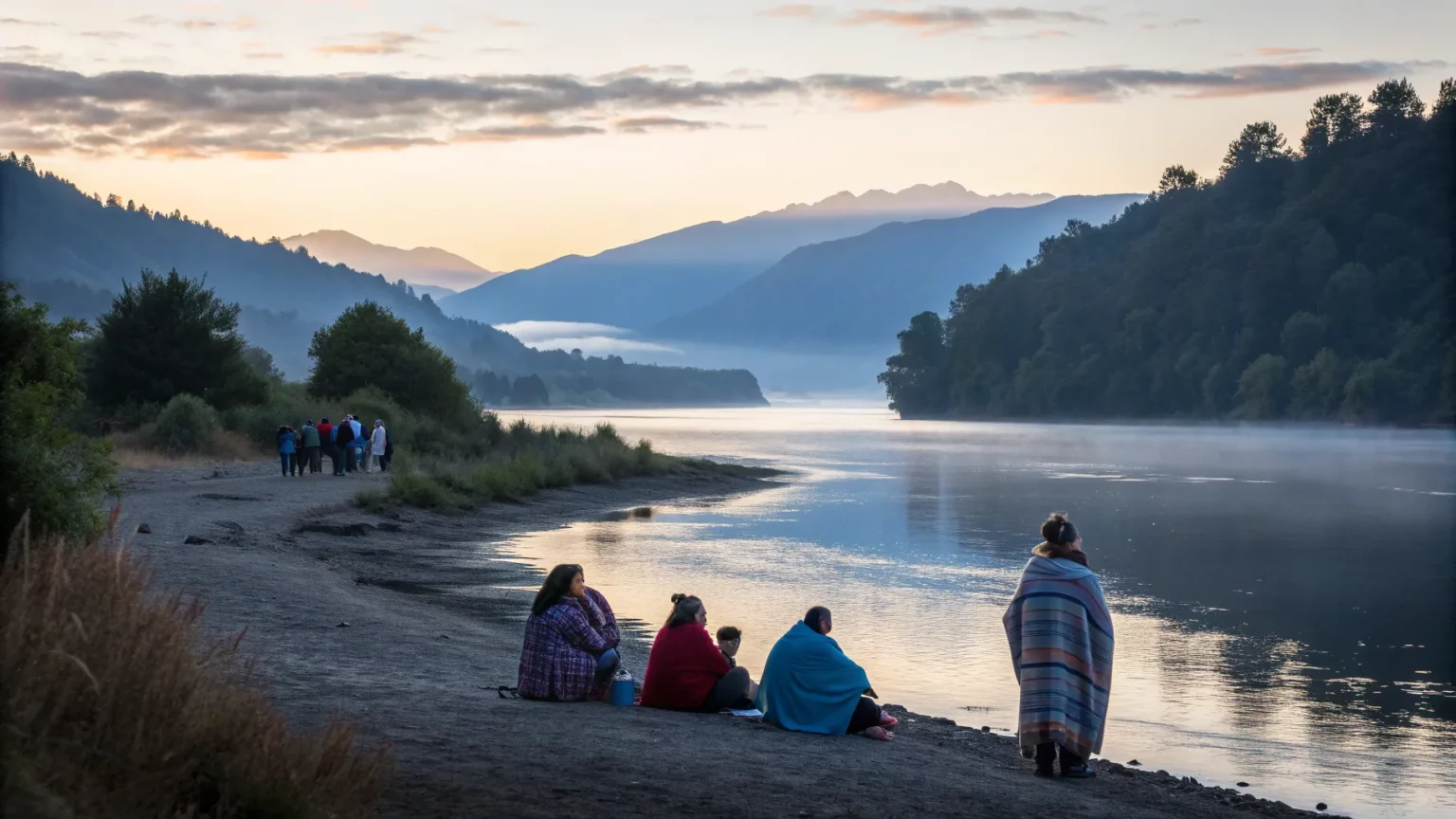
Before sunrise along the Pilmaiquén River in southern Chile, families gathered to welcome a new cycle of life. They marked We Tripantü, a sacred Mapuche holiday that coincides with the winter solstice. The ceremony, stretching over several days, ended with a plunge into icy water meant to cleanse the body and spirit. The celebration drew community members, elders, and children. They met along the riverbanks to pray, sing, and greet the first light.
The event highlights a tradition that has survived hardship and change. It also shows how land, water, and identity remain closely linked for Mapuche communities. The river is not only a place to gather. It is part of their living world and a bridge to ancestors.
Cultural Roots Run Deep
We Tripantü marks the turning point in the year. The longest night passes. The sun begins to return. For the Mapuche, it is a time to renew ties with nature and with one another. Families cook together. Elders share stories and teachings. Children learn songs that carry lessons about respect and balance.
These customs span generations across southern Chile and parts of Argentina. The practices vary by community, but the core is the same. The day calls for reflection, gratitude, and a promise to care for the land. The river ceremony is central. Many believe its cold waters wash away the weight of the past year and open space for what is new.
Rituals By The River
Participants arrived in layers of wool and woven blankets. Some carried branches of native trees. Others brought drums and hand-made instruments. Fires warmed the gatherings in the dark hours before dawn. When first light touched the hills, people waded into the swift current.
Prayers rose above the water’s rush. Songs followed. The rhythm steadied breathing and steps. Then came the plunge. Faces were flushed, eyes clear. The moment was brief but full of meaning. Many later shared food and tea on the shore, laughing to shake off the cold.
- We Tripantü aligns with the Southern Hemisphere winter solstice.
- Ritual bathing symbolizes cleansing and renewal.
- Families honor elders and teach children through story and song.
Tradition Meets Modern Pressure
Ceremonies along the Pilmaiquén carry more than spiritual weight. They also reflect a long debate over who decides the river’s future. Development, tourism, and resource projects have grown in the region. Community leaders say these plans must respect sacred sites and cultural rites. They argue that decisions about rivers and forests should include those who have lived with them the longest.
Officials often point to jobs and energy needs. Local families emphasize heritage and stewardship. Both sides say the river matters. They differ on how to protect it and why. Some communities have pushed for clear rules that recognize ceremonial spaces. Others seek permanent safeguards for culturally important areas.


Why It Matters Now
The ceremony arrives at a time of wider change in Chile. The country has debated indigenous rights, representation, and land use. National conversations about environmental protection and cultural preservation are rising. We Tripantü offers a clear view of what is at stake. When people step into the Pilmaiquén at dawn, they are standing in history and in the present at once.
Observers say these gatherings help keep language and custom alive. They also give younger generations a role that is active, not symbolic. That is key for survival of any tradition. The river ritual, simple as it looks, pulls many strands together. Family, faith, and territory meet in one cold, bright moment.
What To Watch Next
Community organizers plan more cultural events along rivers and in rural schools. They aim to involve youth in language classes and storytelling circles. Local leaders say stronger consultation on land and water decisions would reduce conflict and build trust. Environmental groups are tracking water flows and ecological health in the basin.
Key questions remain. How will authorities balance energy, tourism, and cultural rights? Will sacred sites get durable protection? Can ceremonies continue without disruption as plans evolve?
On this longest night, answers felt distant. Still, the people on the Pilmaiquén had clarity about the morning. The sun rose. The water ran cold. A new year began with steady steps into the current and a promise to care for what sustains them.