



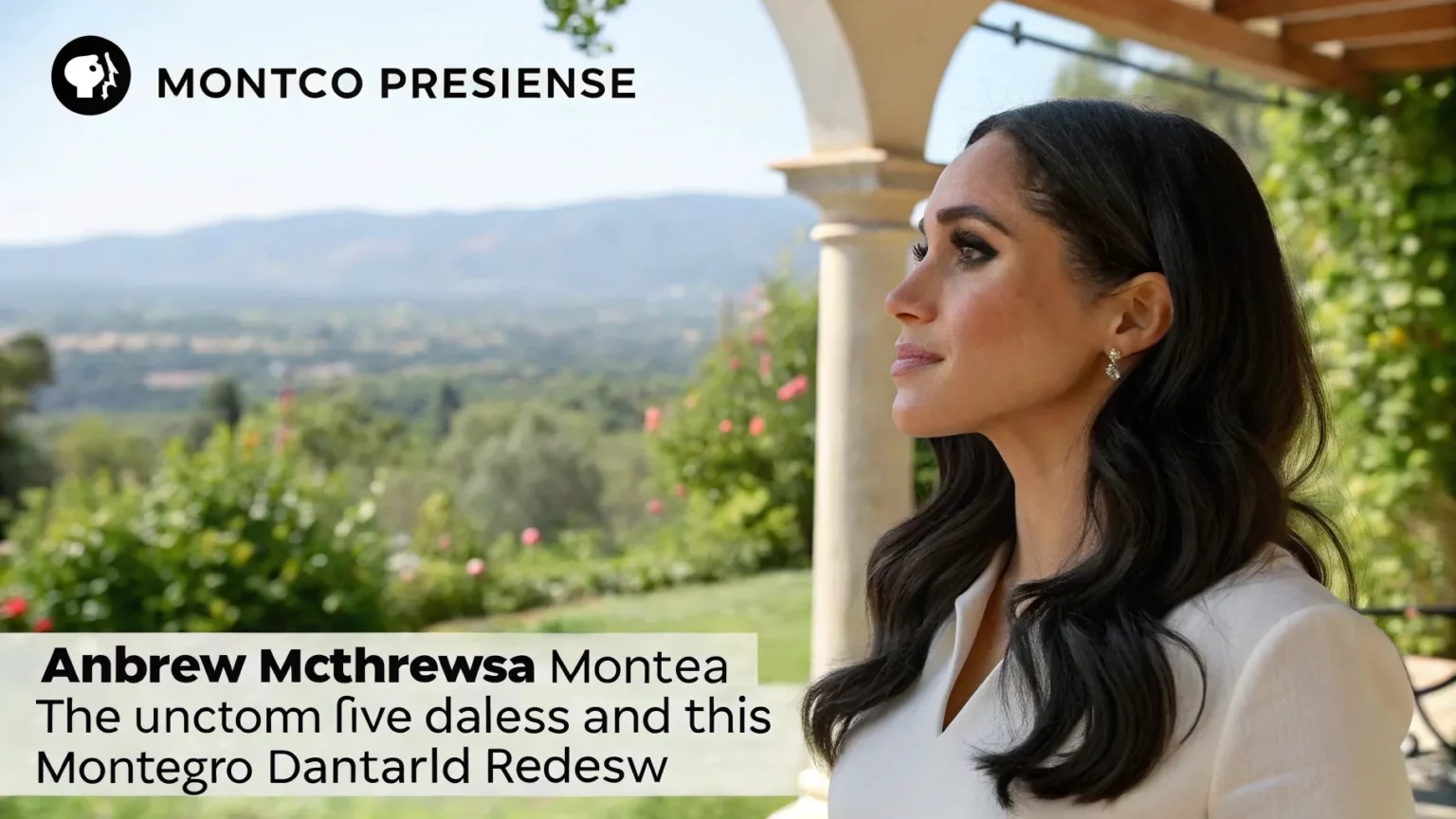
Meghan, the Duchess of Sussex, appears to have paused a planned image release from her Montecito base after headlines focused on Prince Andrew surged across the news cycle. The move, suggested by observers late this week, reflects the tightrope public figures walk when personal plans collide with breaking royal news.
The timing matters. Public attention swung to Prince Harry’s uncle, Prince Andrew, after fresh coverage reignited debate over his status and legacy. Rather than compete with that story, Meghan seems to have stepped back. The choice signals a cautious media strategy designed to avoid confusion, misreads, or claims of opportunism.
“Montecito-based Meghan may have opted to scrap the image as it overlapped with the breaking news regarding Prince Harry’s uncle, Prince Andrew.”
Why Timing Shapes Royal Narratives
Timing has long shaped how the royal family communicates. Official announcements often roll out with care to avoid overshadowing each other. Over recent years, that calculus has grown more intense as social platforms amplify every move within minutes.
Prince Andrew has faced heavy scrutiny since 2019 over his ties to Jeffrey Epstein. He stepped back from royal duties that year. In 2022, he settled a civil lawsuit in the United States without admitting liability. Each new reference in the press revives public debate and prompts fresh commentary from supporters and critics alike.
Against that backdrop, any release from the Sussex camp risks being swallowed by a louder story or misread as a reaction to it. Delaying an image, if that is what happened, is a low-cost way to control message clarity.
The Decision and Its Possible Goals
The likely goals behind the pause are straightforward. First, avoid mixed signals. Second, protect the impact of the image when it finally lands. Third, prevent a clash with a sensitive family topic that could inflame online debate.
- Clarity: Keep the focus on the content, not the timing.
- Reach: Launch when attention is not fragmented by other royal news.
- Tone: Avoid the appearance of leveraging a relative’s controversy.
For celebrities, this is standard crisis-aware planning. For royals, even those who have stepped back from official roles, it’s survival. The reaction cycle is swift, and once a narrative sets in, it is hard to shift.
How It Plays With Audiences
Public reaction tends to split into familiar camps. Supporters read the pause as considerate and sensible. Critics may view it as calculated. Neutral observers see it as smart scheduling. The truth is simpler: attention is finite, and big stories cannibalize everything near them.

The Sussexes have learned this lesson up close. They have launched books, docuseries, and philanthropic efforts under a high-beam glare. Even well-intended announcements can get lost if they land at the wrong moment. A small delay can protect both message and momentum.
The Andrew Factor
Prince Andrew remains a sensitive subject for the royal institution and the public. Any spike in coverage tends to crowd out other news and spark fresh analysis about accountability, legacy, and the family’s future. That makes him a gravitational force in royal coverage, often pulling unrelated items into his orbit.
If Meghan waited for the conversation to cool, that aligns with patterns seen across the family. Official events and statements are often staggered to prevent message clashes. The same logic applies to personal projects with high public interest.
What To Watch Next
Expect the image or related content to surface later, when the media stream is calmer. If and when it appears, the rollout will say a lot about strategy. A quiet post suggests a soft reset. A coordinated release with context hints at a more deliberate plan.
For the royal-watch crowd, the lesson holds: timing is message. The choice to wait suggests care over spectacle, and a desire to keep family headlines from colliding.
The latest turn is not a crisis. It is a reminder of how public figures manage oxygen in a crowded news space. The likely next step is simple—release the image when it can stand on its own, and let the audience judge the content, not the calendar.