




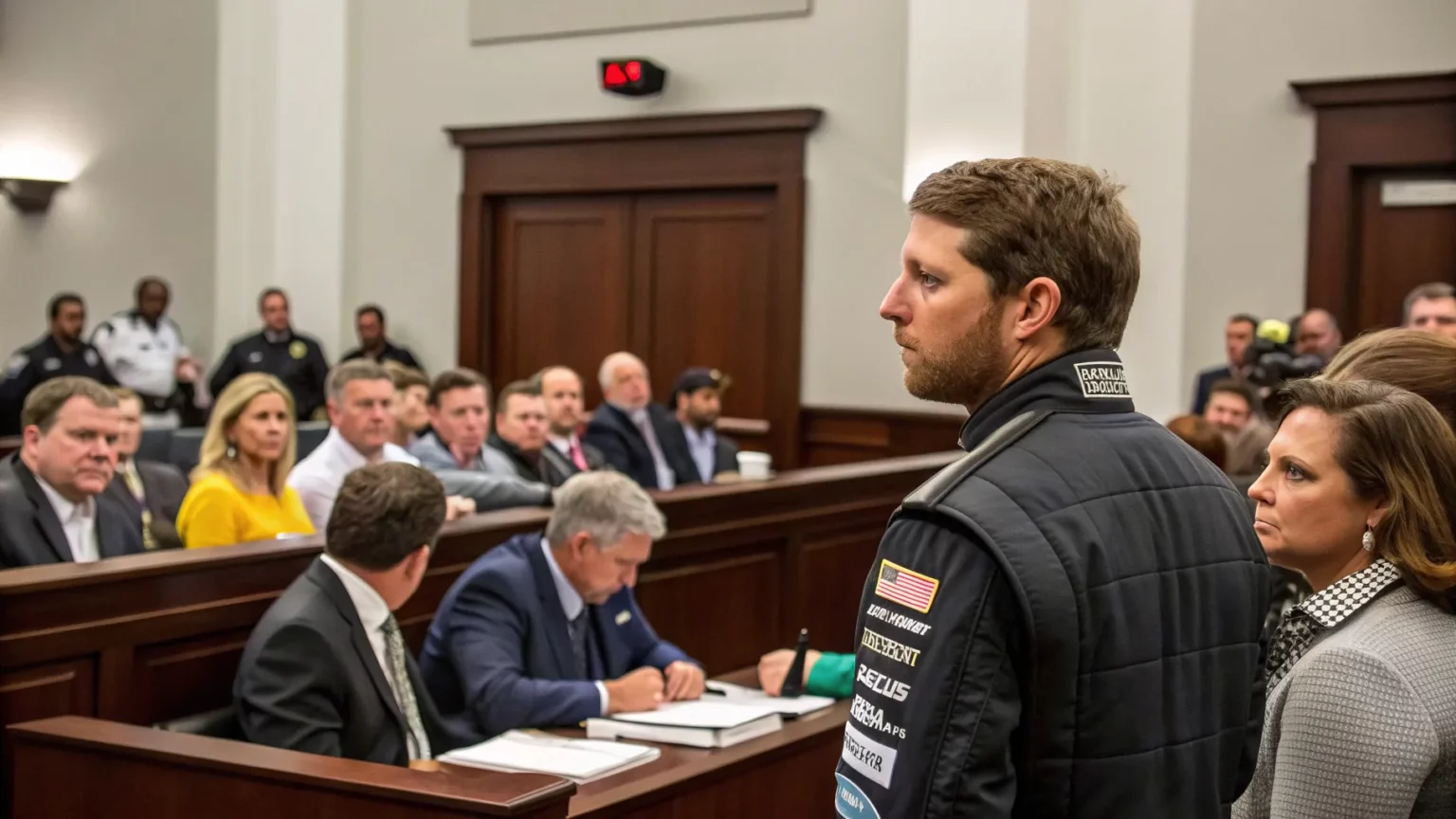
On day two of a closely watched court fight in Charlotte, North Carolina, testimony grew heated as 23XI Racing co-owner and NASCAR driver Denny Hamlin faced pointed cross-examination. The courtroom exchange signaled rising stakes in a case that could shape how stock-car racing is governed and how teams compete for business.
The hearing drew industry attention because it places one of the sport’s most visible figures at the center of questions about power, policy, and money in American motorsports. While the court weighs claims and defenses, the outcome may influence how teams operate, how deals are structured, and how fans experience the sport.
Courtroom Fireworks On Day Two
The second day of the NASCAR Anti-Trust Trial in Charlotte, North Carolina included some fiery and contentious testimony and cross-examination of 23XI’s Denny Hamlin.
Attorneys pressed Hamlin on issues tied to team operations and the business of racing, reflecting the broader debate about decision-making and market control. The tone underscored how much is at stake for team owners, drivers, and the sanctioning body.
Legal experts say tense exchanges are common in competition cases, where testimony can influence how judges interpret market power and intent. The courtroom’s focus on a current driver-owner highlights the unique role that athletes with ownership stakes play in modern sports.
Who Is Denny Hamlin And What Is 23XI?
Hamlin is a veteran NASCAR Cup Series driver and a co-owner of 23XI Racing, the team he launched with Michael Jordan in 2020. The team quickly grew in profile, fielding full-time entries and attracting major sponsors. Hamlin’s dual role gives him a rare view of both the sporting and business sides.
His position also places him in the middle of debates that cut across the garage. Team owners often push for clarity and stability in long-term team agreements, while NASCAR must balance competitive integrity, scheduling, and media interests. That mix makes Hamlin’s testimony particularly relevant to the court and to the industry.
Antitrust Questions In Pro Sports
Antitrust cases in sports often center on whether a league has too much control over key markets or limits competition in ways that harm teams, athletes, or consumers. Court rulings in other sports have shaped how leagues handle licensing, athlete movement, and commercial rights.
Two cases often cited for context are American Needle v. NFL (2010), which examined how teams coordinate on licensing, and NCAA v. Alston (2021), which addressed limits on education-related benefits for athletes. While these are different settings, they show how courts approach power and competition in organized sports.


- Common pressure points: revenue sharing and distribution
- Team access to major events and series
- Control of licensing and sponsorship categories
- Media rights and race calendar decisions
The Charlotte proceedings will test how such themes apply to stock-car racing, where one sanctioning body oversees the top series and controls rules and schedules.
Industry Impact And What To Watch
Teams and sponsors are watching for clues that may affect long-term contracts. A decision could influence how agreements are written, how disputes are resolved, and how new investors assess risk.
Fans could see changes in how teams are structured or how revenues flow, though any on-track effects would likely play out over time. The court may not rewrite racing, but it can set boundaries for business conduct.
Hamlin’s testimony places a spotlight on drivers who invest in teams. That trend links star power with ownership, and it can amplify debates over fairness, access, and growth. If the court’s findings shift the balance between teams and the league, more athletes could seek a seat at the table—or pause expansion plans until terms are clearer.
What Comes Next In Charlotte
The trial is expected to continue with additional witnesses and documents that outline the economics of team racing. Observers will look for how the court views market definitions, competitive effects, and any claimed justifications for league control.
Deadlines for post-trial filings and potential appeals could extend the timeline. In the near term, testimony from owners, executives, and sponsors may clarify what business practices are at issue and how they affect competition.
The latest developments point to a case that will shape how NASCAR’s top series manages both competition and commerce. As the court weighs the testimony, the key takeaway is simple: the business of racing is on trial as much as any single policy. The coming days should reveal whether the judge sees room for changes or finds the current approach justified, with ripple effects for teams, sponsors, and fans alike.