




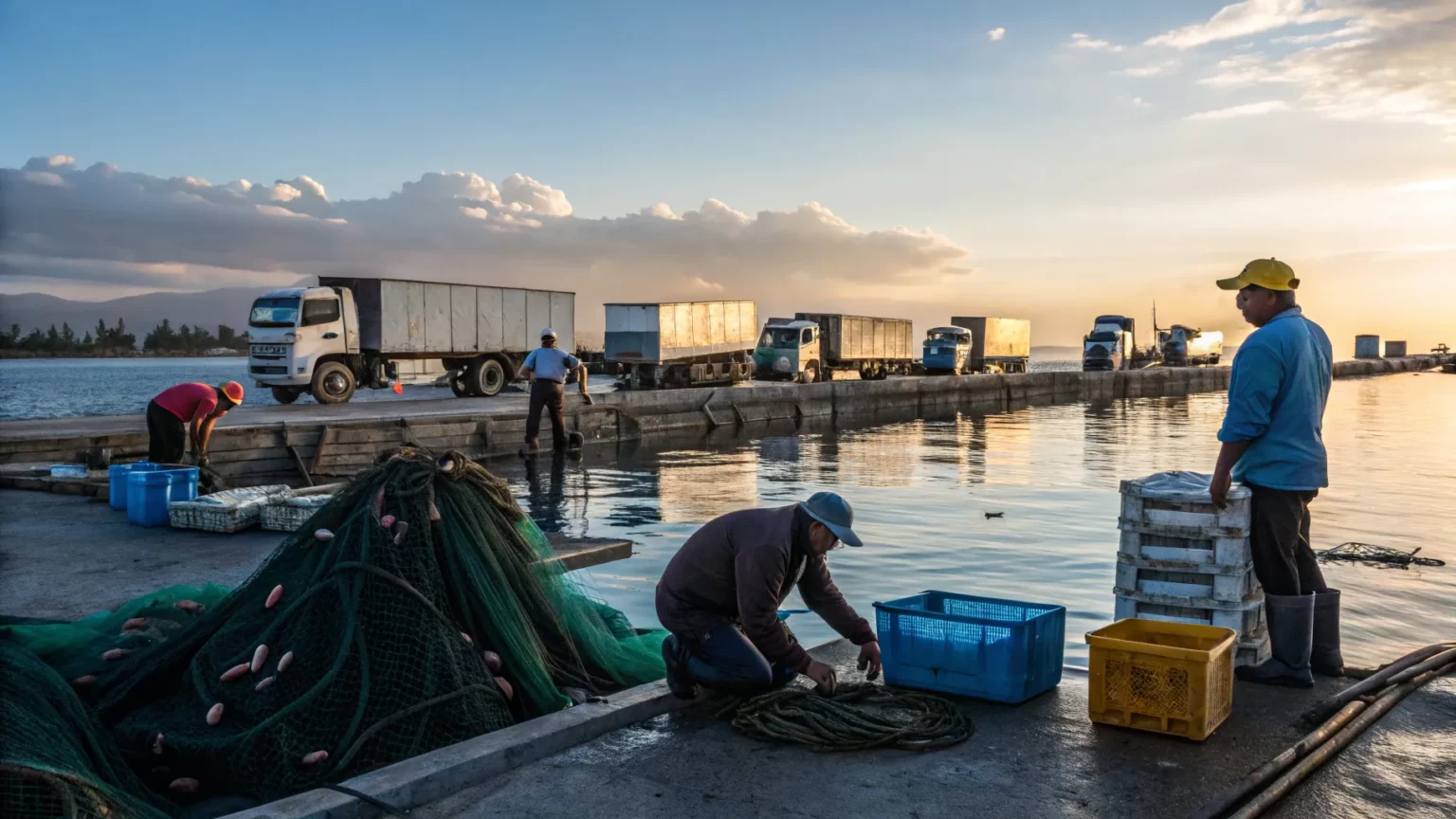
As eel numbers fall across continents, governments and conservation groups are pushing for stricter trade rules that could reshape a lucrative global market and help avoid extinction. Officials are discussing measures that would limit exports, strengthen enforcement, and close loopholes used by traffickers. The debate spans fishing docks, aquaculture farms, and customs checkpoints, and it is picking up speed.
“Valuable eels are in decline all over the world, leading to a new push for restrictions on trade to try to help stave off extinction.”
The effort centers on species prized for cuisine and aquaculture, from glass eels caught in rivers to adults bound for international markets. The timing is urgent, with stocks already stressed by overfishing, habitat loss, dams that block migration, and shifting ocean conditions.
Why Eels Are in Trouble
Eel life cycles are complex. They hatch in the ocean, drift as larvae, then migrate into rivers for years before returning to spawn. Dams and degraded waterways interrupt that journey. Add heavy demand for young eels to stock farms, and the pressure stacks up.
Conservation scientists warn that recruitment of young eels has fallen in many regions. In some rivers, counts have slumped compared with past decades. While exact trends vary by species and basin, the direction is worrying enough to spur international talks.
Several governments already restrict eel fishing seasons, set size limits, and cap catches. The European Union, for instance, has imposed tight controls on one species and has banned some exports. Yet traffickers still move live “glass eels” through covert routes, feeding overseas farms.
Trade at the Center of the Fight
International trade rules are now under review, with officials considering tighter paperwork, broader listing of species under wildlife conventions, and stronger penalties for illegal shipments. Supporters say these steps can buy time for stocks to recover.
Law enforcement agencies report frequent seizures at airports and ports, where live juvenile eels are packed in chilled containers. Profits can be high, and demand from aquaculture operators adds pull. Without consistent oversight, the legal and illegal markets blur.
Advocates argue that clearer rules would help honest fishers and farmers. If origin and species are verified, and quotas match science, trade could continue at sustainable levels rather than collapse under bans and scandals.



Economic Stakes for Fishing Communities
Fishing families and small exporters say blanket bans would hit them first. Many depend on seasonal eel runs to pay bills. They want policies that reward legal practices, not just punish wrongdoing.
Industry groups favor licensing, traceability, and certified supply chains. They argue that aquaculture can lower pressure on wild stocks if farms rely more on captive breeding. The catch: most farms still depend on wild-caught juveniles, which keeps the pipeline open.
Some coastal leaders back buyouts or alternative livelihoods to cushion the blow. Others call for funding to repair waterways and fish passage, so adult eels can reach spawning grounds and young eels can move inland.
What Stricter Rules Could Include
- Expanded listings under international wildlife agreements to control cross-border trade.
- Mandatory traceability from river to farm to plate, using barcodes or digital tracking.
- Seasonal closures during peak migration to protect young eels.
- Habitat fixes like fish ladders and dam bypasses to reopen migration routes.
- Stronger penalties and more customs training to deter smuggling.
The Science, and the Unknowns
Data gaps complicate decisions. Eels spend years at sea, making them hard to study. Scientists are calling for better monitoring of recruitment, spawning success, and trade flows. They also push for standardized reporting so countries can compare trends.
Climate shifts may alter ocean currents that young eels ride to shore. If routes change, past patterns of abundance may not return on their own. Policy makers are weighing these unknowns as they debate new limits.
What Comes Next
Negotiators are drafting proposals for tighter controls that could be considered at upcoming international meetings. If adopted, the rules would pressure importers to verify legal sources and could close markets to unverified shipments.
That would not solve habitat loss or blocked rivers. But it could slow the drain on wild stocks while restoration catches up. The success of any plan will depend on enforcement and cooperation among fishing nations, transit hubs, and consumer markets.
Eels have survived for millions of years. Whether they thrive again now comes down to simple math: fewer nets, better rivers, and cleaner trade. Watch for moves on trade listings, traceability pilots, and funding for fish passage. If those align, the quiet comeback these species need might finally start.